Since 1975, Fanoos has existed as a quiet constant in the ever-evolving culinary landscape of Bangalore—a place where time slows, and flavors remain untouched by passing trends. What began as a humble street-side counter has, over five decades, transformed into a deeply rooted institution, defined not by expansion or reinvention, but by an unwavering commitment to authenticity.
At a time when the global dining scene leans heavily into innovation and concept-driven experiences, Fanoos stands apart with a philosophy grounded in preservation. Its legacy has been built on doing one thing exceptionally well: delivering bold, honest flavors with consistency and precision. Every element, from its spice blends to its preparation techniques, reflects a heritage that has been carefully refined rather than reimagined.

Fifty Years of the Same Perfect Roll
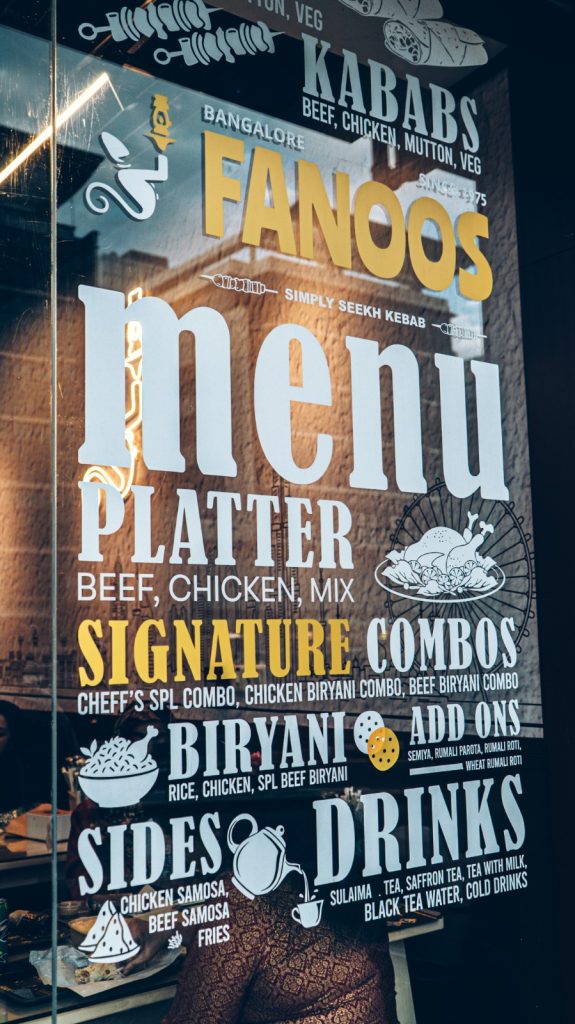
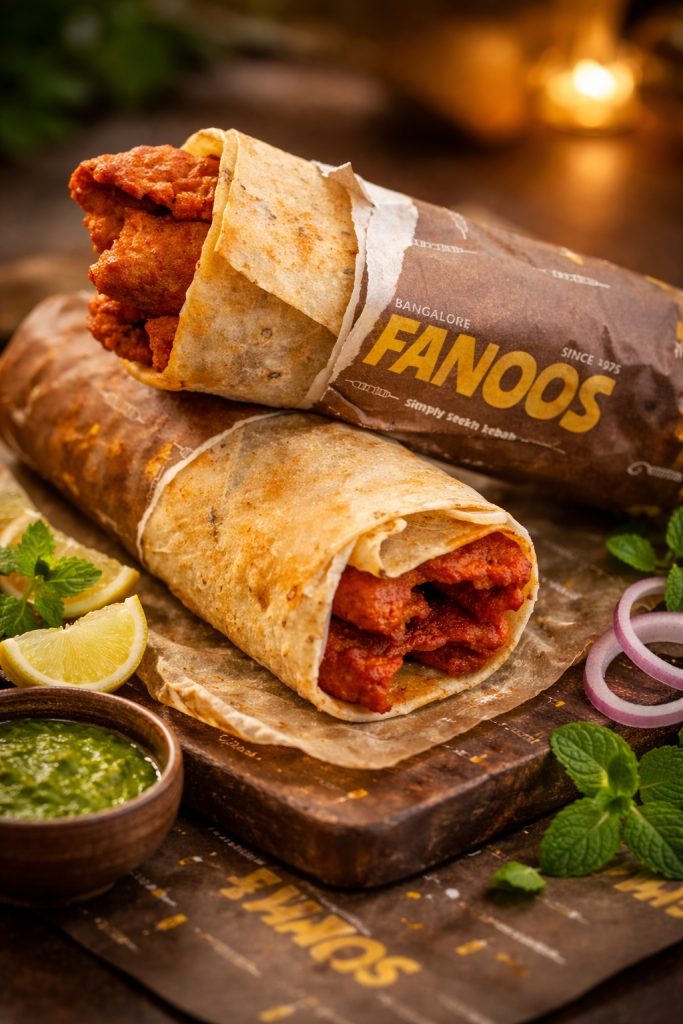
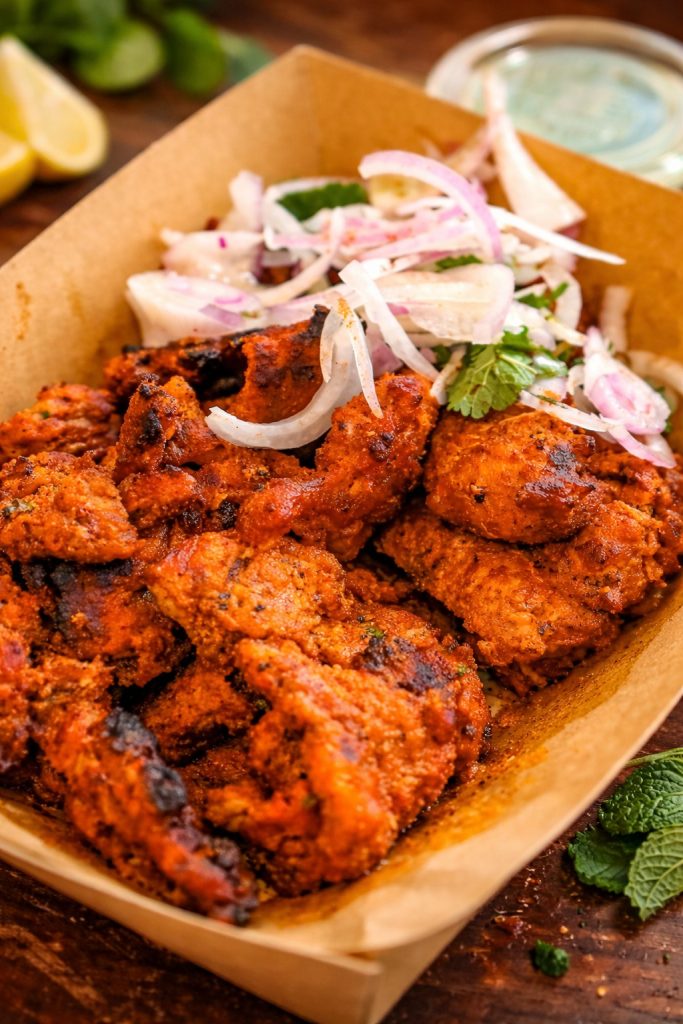
Founded in 1975 by the late Ajaz Khan, Fanoos — named after the ornate lanterns that light up homes during Ramzan — was among the first establishments in Bangalore to introduce the concept of fast food. Yet fast never meant careless. The seekh at Fanoos is made from freshly minced meat, spiced with a blend refined over decades, grilled over high heat and tucked into hand-pulled roomali roti so thin it is almost translucent. The menu has grown to include biryanis, shawarmas, and Irani-style kebabs, but the seekh roll remains the soul of the brand.
The brand’s legendary roll sizes — the Rambo, the Shambo, the Mambo, and the towering Mogambo (named after the iconic Bollywood villain from Mr. India) — have become a rite of passage for generations of Bangaloreans. The rolls are now a rite of passage for Dubai as well.
Its arrival in Dubai signals more than an international debut—it marks the continuation of a cultural and culinary narrative. Situated in the vibrant neighborhood of Karama, the Dubai outpost brings with it the unmistakable soul of Bangalore, while seamlessly integrating into one of the world’s most dynamic food capitals.
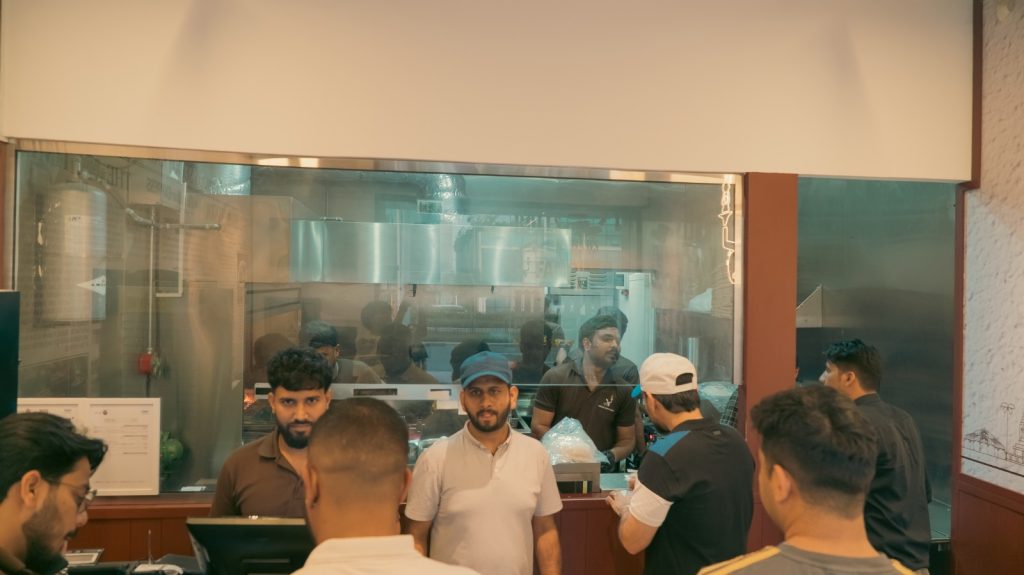
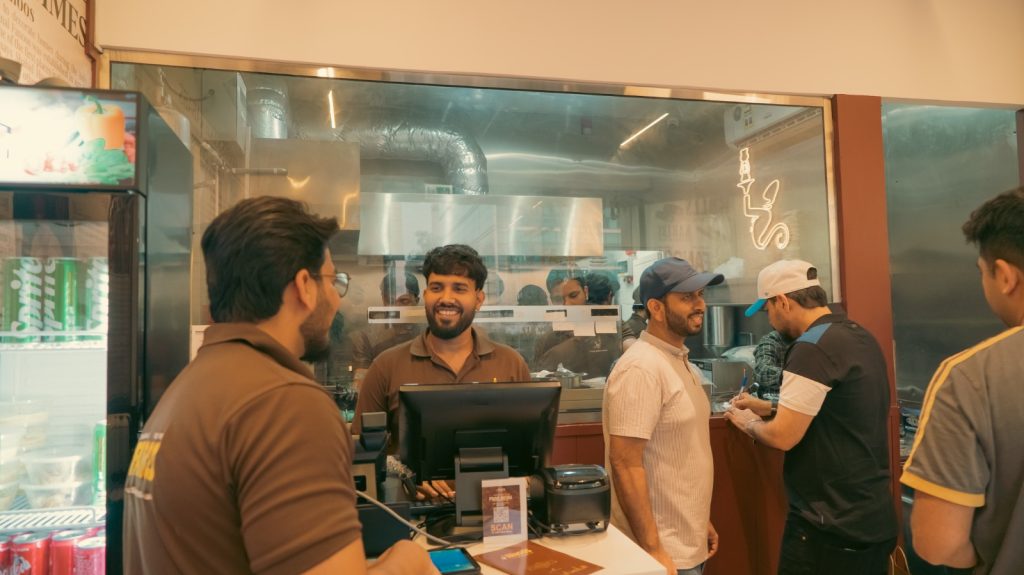
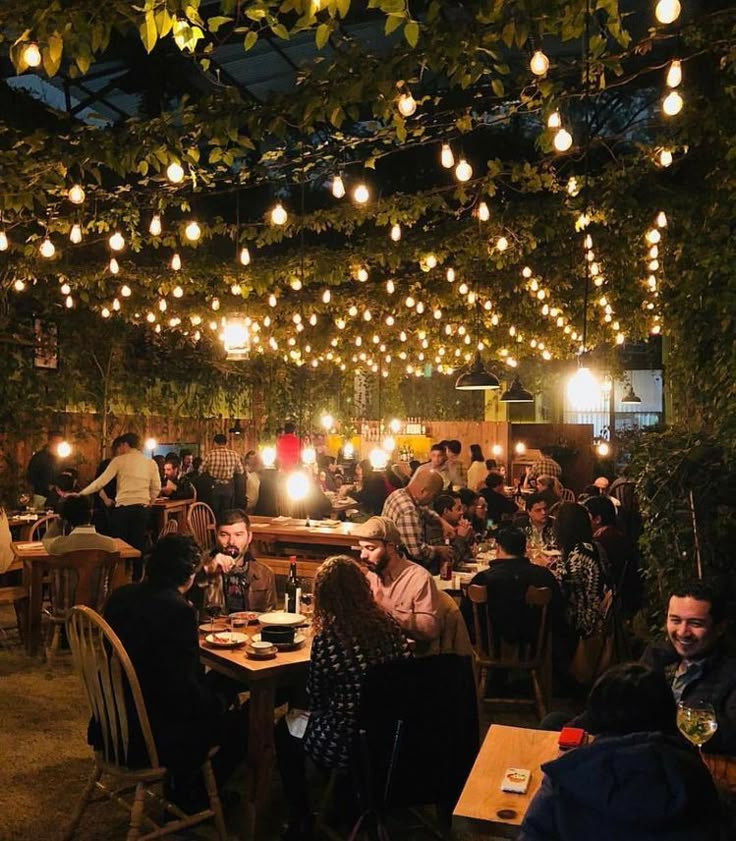
The space itself reflects the brand’s essence. Often lively and filled with a diverse crowd of loyal patrons and curious newcomers, it carries an energy that feels organic and uncontrived. There is no attempt at over-curation; instead, the atmosphere is defined by movement, familiarity, and an understated authenticity that resonates deeply in a city known for its polished dining experiences.

Yet, it is the food that remains the defining force. Fanoos has long been celebrated for its iconic seekh rolls—delicately wrapped in soft roomali roti and layered with spice blends that have been perfected over decades. The flavors are bold yet balanced, rich yet precise, offering a depth that lingers well beyond the first bite. What distinguishes the experience further is the subtle interplay between robust Indian spices and nuances reminiscent of Middle Eastern street food, creating a distinctive culinary identity that feels both rooted and globally relevant.
From our own experience, Fanoos is not simply a place to dine—it is a place to feel. There is a warmth to the environment that transcends the physical space, creating a sense of familiarity that invites guests to return. Even at peak hours, when the restaurant is at its busiest, there is a natural flow that makes the experience feel effortless rather than overwhelming.
Equally integral to the experience is the service. The managers and staff embody a level of attentiveness and sincerity that enhances the overall visit. Their approach is both welcoming and intuitive, adding a human touch that complements the food and reinforces the brand’s enduring appeal.
In a city where dining concepts are constantly evolving, Fanoos distinguishes itself through consistency and character. It does not seek to compete through novelty, but rather through the strength of its identity—one that has been shaped over fifty years and remains remarkably intact.
Today, Fanoos in Dubai stands as more than an extension of a legacy. It is a destination that bridges cultures, generations, and tastes—a place where tradition meets a modern audience without losing its essence. In every sense, it represents the art of staying true, offering an experience defined by flavor, authenticity, and a quiet confidence that continues to resonate far beyond its origins..