Category: Motors & Mobility

  • Dongfeng Mage PHEV: A Promising Alternative That Deserves a Closer Look

    Dongfeng Mage PHEV: A Promising Alternative That Deserves a Closer Look

    Three days with Dongfeng’s plug-in hybrid SUV reveal an appealing design, a comfortable driving experience and a modern cabin, alongside questions that only more time behind the wheel can answer.

    There is something refreshing about driving a car without the burden of expectations. We have become accustomed to familiar automotive names, established reputations and the assumption that a higher price or a more prestigious badge must mean a better vehicle. Yet the automotive landscape is changing, and Chinese manufacturers are increasingly challenging those assumptions.

    The Dongfeng Mage PHEV is an interesting example of that shift. Combining SUV styling with plug-in hybrid technology, it aims to appeal to drivers who want contemporary design, everyday comfort and the possibility of reducing their reliance on petrol.
    I spent three days with the Mage PHEV. That is enough time to form a useful first impression of its design, cabin and general road manners, but not enough to make definitive claims about long-term reliability, ownership costs or fuel efficiency. With that distinction in mind, here is my assessment of the car.

    First impressions: A design that gets your attention

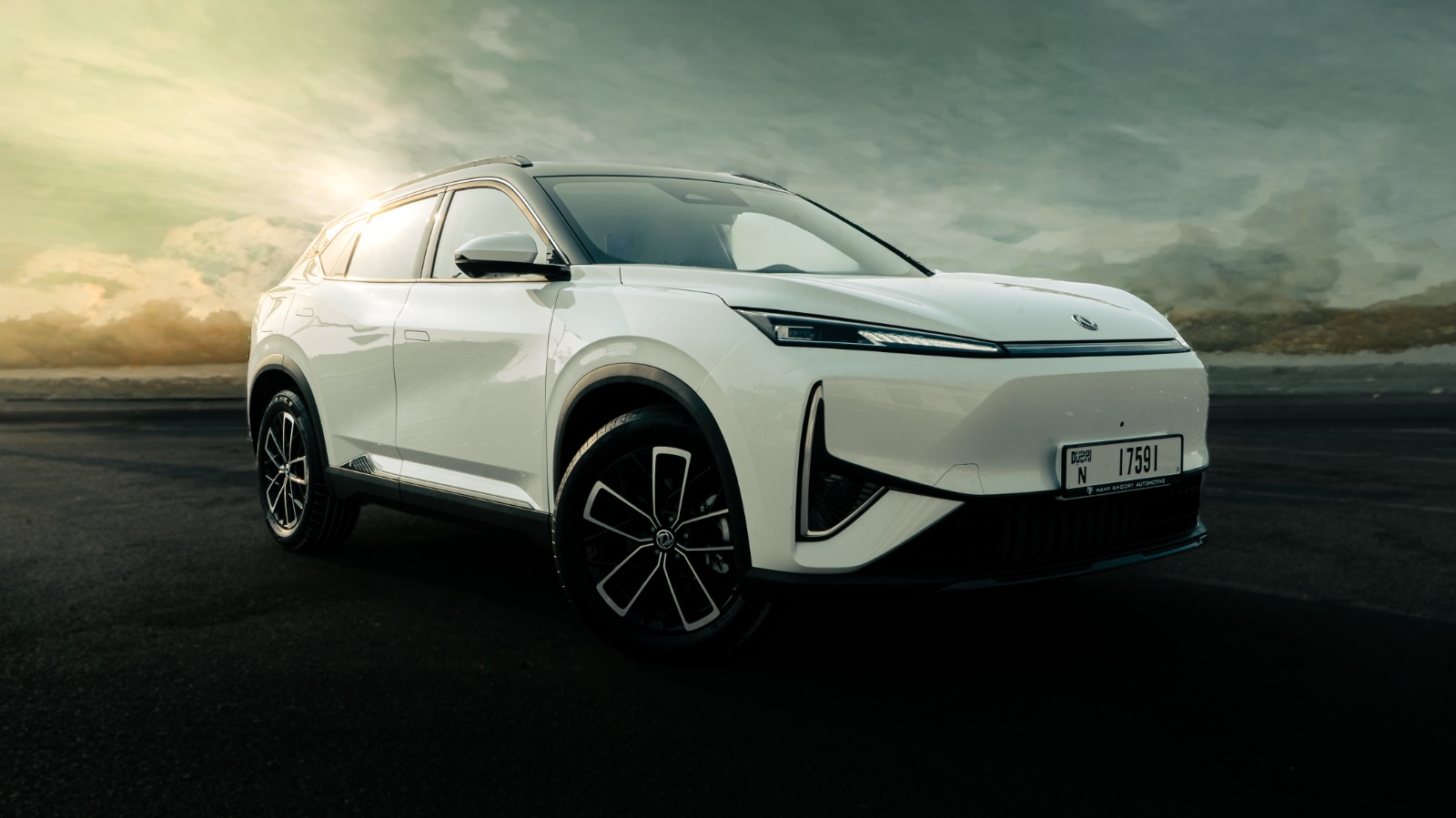
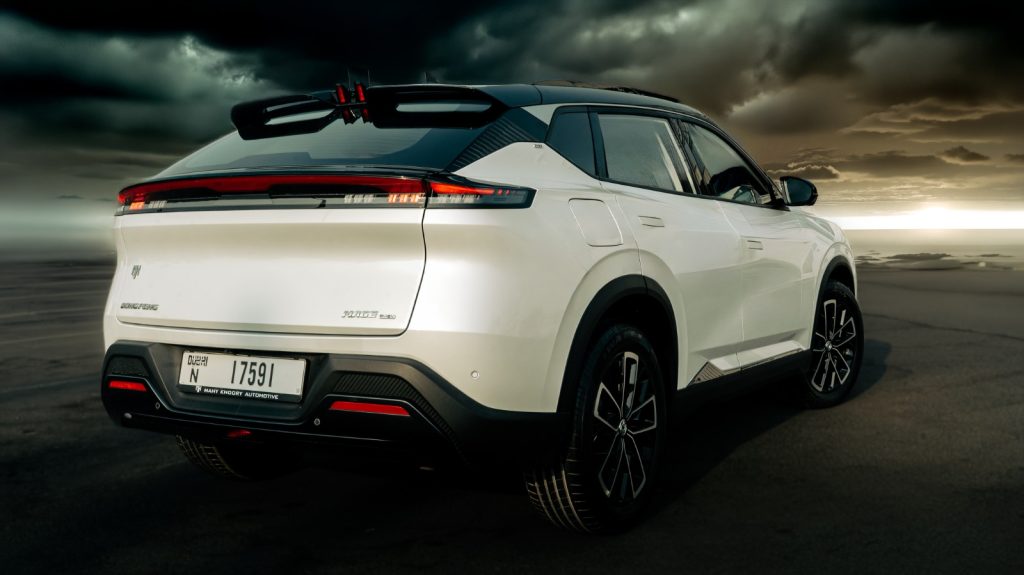
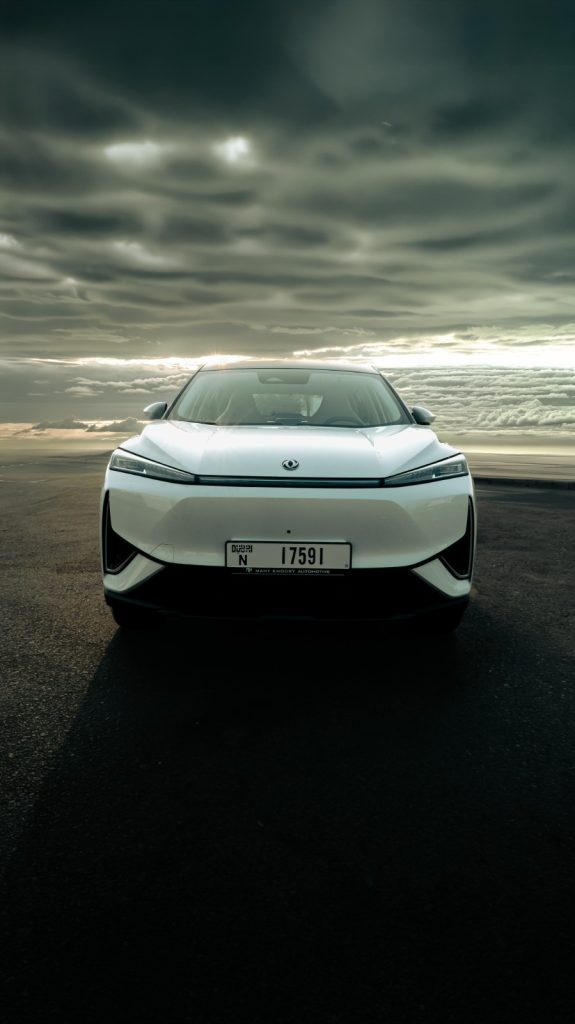
    The first thing that appealed to me about the Mage PHEV was its exterior design. It has a contemporary, confident appearance that gives it a more distinctive presence than one might expect from a relatively unfamiliar nameplate.

    Its proportions and styling give it a sporty character without making it look excessively aggressive. It feels designed for buyers who want their SUV to look modern and purposeful, rather than simply practical.

    Design is subjective, of course, but my first impression was positive. The Mage does not immediately come across as a vehicle that has been designed merely to compete on price. It has its own visual identity, and that matters in a segment where buyers have plenty of options.

    Whether that styling will age well is something only time can tell. For now, I consider the exterior one of the car’s strongest attributes.

    Inside the cabin: Modern, comfortable and generally convincing

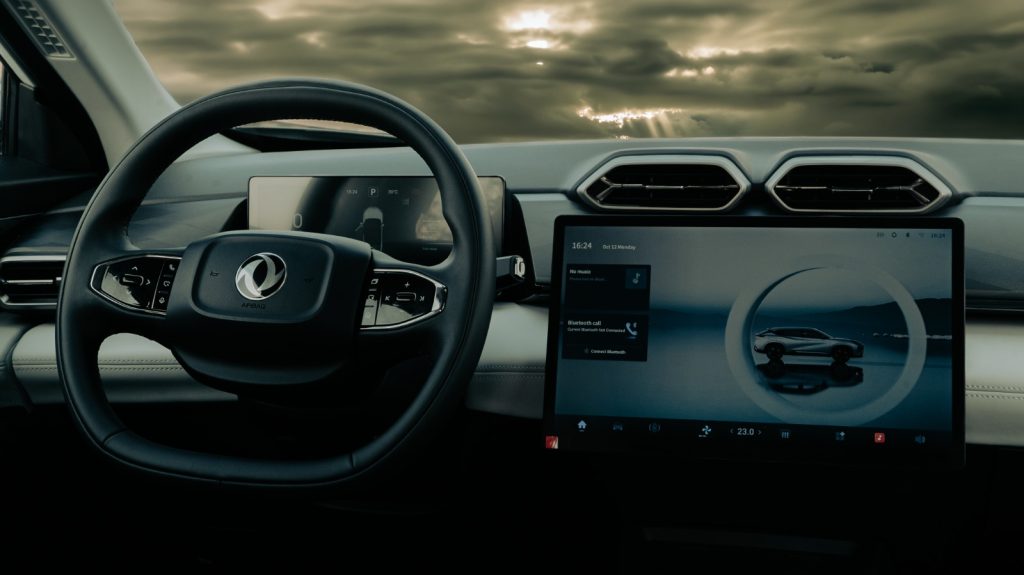
    Inside, the Mage PHEV continues the contemporary theme. The cabin feels modern and reasonably well put together, with an emphasis on technology and the clean, uncluttered appearance that has become increasingly common in newer vehicles.

    My overall impression of the interior was good. It provides the sort of environment that makes the car feel current, rather than dated or compromised. Comfort was also a positive part of my three-day experience, and the Mage felt well suited to ordinary daily driving.
    However, a modern-looking cabin and a genuinely premium interior are not necessarily the same thing. The quality of individual materials, the durability of frequently touched surfaces and the way components hold up after years of use are difficult to judge during a short test.

    I would therefore stop short of describing the cabin as class-leading. It is appealing and comfortable, and that is a solid starting point.

    Behind the wheel: More about everyday usability than drama

    The Mage PHEV proved good in the driving department during my time with it. Its overall road manners were agreeable, and the experience was generally consistent with what I would want from a contemporary family-oriented SUV.

    What matters most in this category is not necessarily outright acceleration or an impressive figure on a specification sheet. It is how naturally a car fits into everyday life: how it responds to the driver, how comfortable it feels on ordinary journeys and whether it makes driving less tiring.

    On those broad impressions, the Mage made a positive case for itself.

    The plug-in hybrid configuration is also an important part of its appeal. In principle, a PHEV can offer electric driving for shorter journeys while retaining a petrol engine for longer trips. For drivers who can charge at home or at work, that combination can be attractive.

    But the technology needs to be assessed in context. Performance, fuel consumption and the smoothness of the transition between electric and petrol power depend on the particular vehicle calibration and the way the car is driven. I did not gather enough measured data during my three days to make a reliable claim about the Mage’s real-world efficiency or electric range.

    That is an important distinction. Impressive engineering figures may suggest potential, but they are not a substitute for a properly measured road test.

    Comfort: A welcome strength

    Ride comfort was another positive aspect of my experience. The Mage felt comfortable overall, making it a credible candidate for daily commuting and routine family use.
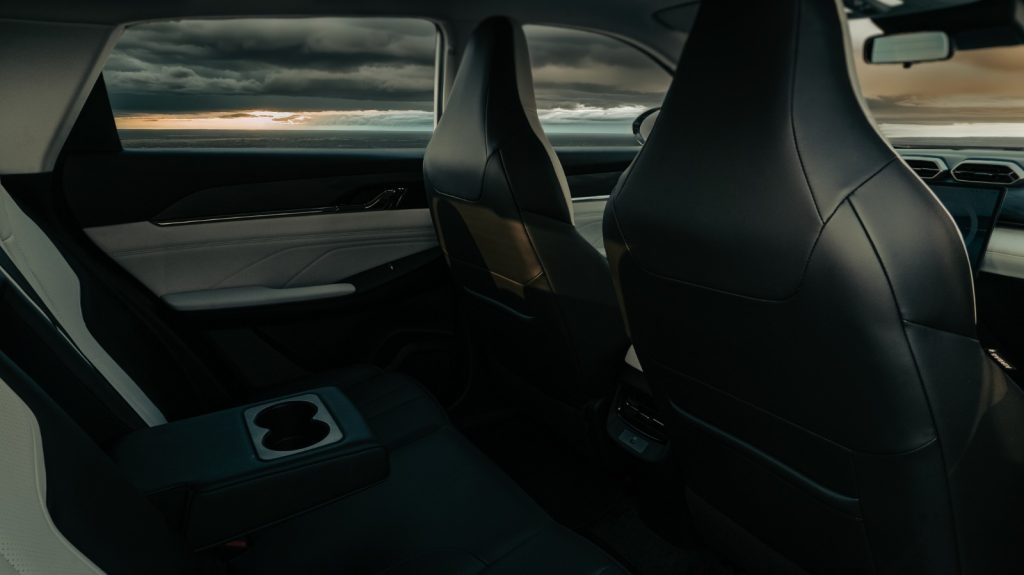
    That is particularly relevant in the UAE, where a vehicle may spend much of its life moving between urban traffic, motorways, shopping centres and residential neighbourhoods. A car needs to be easy to live with, not merely attractive in a showroom.

    A longer test would be needed to assess how the suspension deals with different road surfaces, how well the cabin suppresses tyre and wind noise at higher speeds, and how the car behaves when fully loaded with passengers and luggage.

    Nevertheless, my initial impression was favourable. The Mage offers a comfortable driving experience without requiring the driver to make that comfort the sole priority.

    Technology: Plenty of promise, but execution matters

    Modern technology is an increasingly important part of the car-buying decision, and the Mage PHEV clearly belongs to the current generation of screen-led, digitally oriented vehicles.

    Yet this is also an area where I would reserve some judgement. There is a difference between fitting a car with impressive technology and making that technology genuinely intuitive.

    Displays and connectivity features can create an immediate impression in a showroom. Their value over time depends on how easily drivers can access everyday functions, how responsive the software is and whether important controls can be operated without unnecessary distraction.

    My assessment of the Mage’s technology and controls was mixed. I could appreciate the modern approach, but I was not entirely convinced by the overall experience.

    For me, this is an area where manufacturers should remember that technology is supposed to make driving easier. A feature is not necessarily an improvement simply because it is digital. Good ergonomics, clear menus and straightforward access to essential functions remain important.

    The plug-in hybrid question: Efficiency still needs to be proven

    The PHEV badge is arguably the most significant part of the Mage’s proposition. It promises the possibility of combining electric driving with the flexibility of a conventional petrol-powered vehicle.

    However, the real benefits depend heavily on the owner’s circumstances. A driver who regularly charges the battery and covers relatively short daily distances may benefit considerably. Someone who rarely plugs in may experience a very different result.

    For UAE buyers, the practical questions are straightforward: How far can the vehicle travel on electricity under local conditions? How much petrol does it use once the battery’s usable charge is depleted? How does air-conditioning demand affect consumption in hot weather? And how easy is it to charge at home or at work?

    I would not pretend to have answered those questions after three days. Without a recorded starting and ending battery charge, a known driving distance and consistent measurements of fuel and electricity consumption, any precise efficiency claim would be premature.

    A longer test, ideally including a fully charged battery, regular commuting and highway driving, would provide a much clearer picture.
    Pros and cons

    What I liked

    • Exterior styling: Contemporary, sporty and visually distinctive.
    • Cabin presentation: Modern in appearance and generally convincing.
    • Driving experience: Good overall road manners for everyday use.
    • Comfort: A positive first impression that suits the SUV’s intended role.
    • Plug-in hybrid concept: Potentially attractive for drivers with convenient charging access.

    What deserves closer examination

    • Technology and controls: The overall experience was mixed, and ease of use matters as much as the equipment itself.
    • Real-world efficiency: Fuel consumption and electric range need to be measured over a longer period.
    • Long-term durability: Three days cannot establish how well the interior, electronics or hybrid system will age.
    • Ownership support: Buyers should establish the exact local warranty, service arrangements and parts availability for the vehicle they are considering.
    • Resale value: There is not enough evidence from a short test to draw a meaningful conclusion about future depreciation.

    The verdict: A credible first impression, with more to prove

    After three days, my view of the Dongfeng Mage PHEV is positive, but measured.

    Its design is a genuine strength, the cabin is appealing, and the overall driving experience is good. Comfort adds to its appeal, while the technology and controls leave room for improvement. These are meaningful first impressions, although they do not tell the whole story.

    The wider question is whether the Mage can deliver on the promise of plug-in hybrid ownership over months and years. Real-world fuel economy, electric range, battery performance in the UAE climate, reliability and resale value all deserve proper investigation before any firm conclusions can be drawn.

    I would also encourage prospective buyers to verify the warranty terms, servicing arrangements and parts availability applicable to their exact vehicle and local dealer. These are practical considerations for any relatively unfamiliar model, not criticisms of Dongfeng based on evidence I do not yet have.

    Would I recommend the Mage PHEV? I would certainly encourage buyers to put it on their test-drive list. It deserves consideration on its own merits rather than being dismissed simply because it carries a less familiar badge.

    Would I give it an unqualified recommendation? Not yet. I would want more time with the car, measured efficiency results and a clearer picture of ownership support before making that call.

    For now, the Dongfeng Mage PHEV strikes me as a promising newcomer with a lot going for it. Three days have given me reasons to be interested. Whether that interest translates into a strong long-term ownership proposition is a question that deserves a longer test.
  • The Supercar Capital: How Dubai Became the World’s Ultimate Playground for Automotive Luxury

    The Supercar Capital: How Dubai Became the World’s Ultimate Playground for Automotive Luxury

    In a city defined by ambition and architectural spectacle, the automobile has become more than transportation it is a symbol of identity, innovation, and prestige.

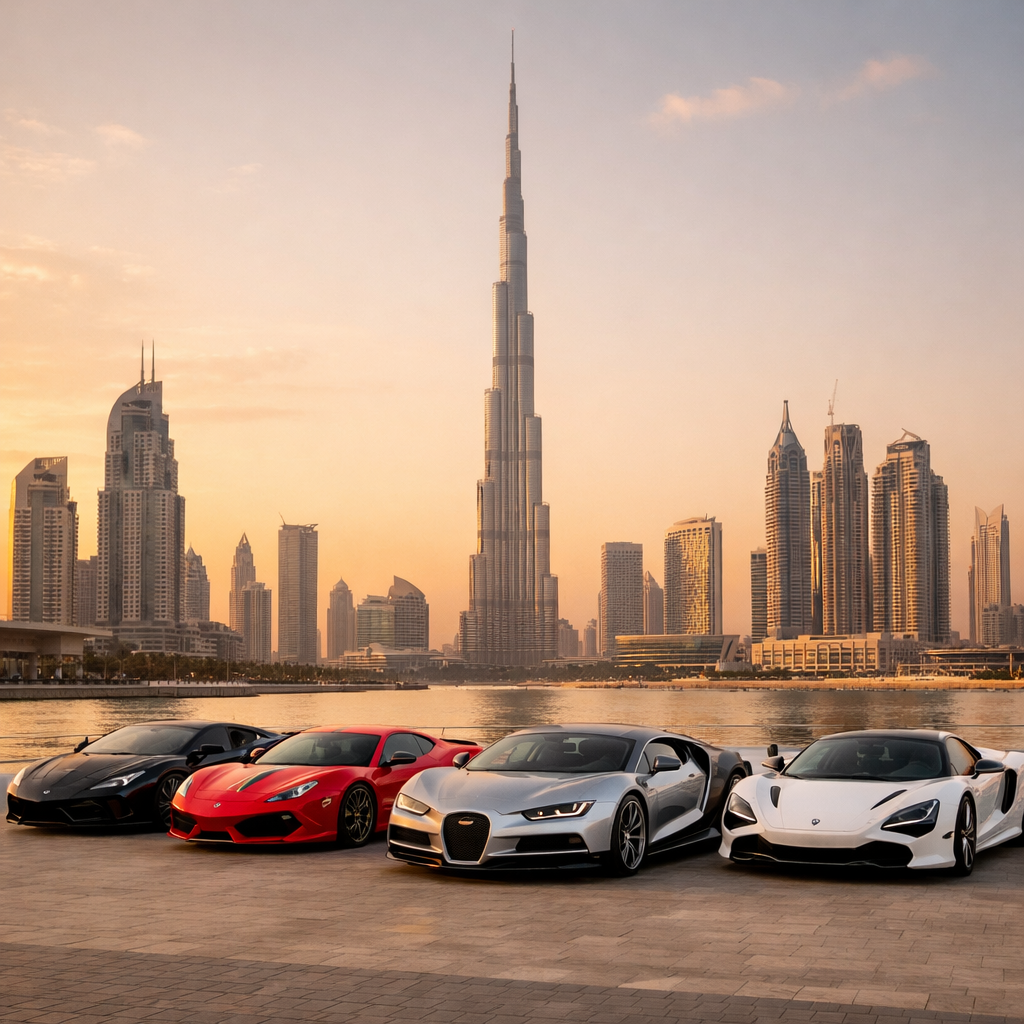
    In few places around the world does automotive culture intertwine so seamlessly with lifestyle as it does in Dubai. From the sweeping boulevards of Downtown to the palm-lined avenues of Jumeirah, the city has cultivated a reputation as one of the most extraordinary stages for the world’s most coveted automobiles. Here, supercars are not rare sightings reserved for exclusive events they are part of the everyday urban landscape.

    Dubai’s relationship with luxury vehicles reflects the city’s broader philosophy: an embrace of excellence, engineering, and bold design. It is not unusual to encounter a striking Ferrari SF90 Stradale idling beside a café terrace, or a pristine Lamborghini Aventador gliding past the shimmering skyline of Dubai Marina. In a place where architectural icons redefine the horizon, the automobile has become another form of visual expression.

    Part of this phenomenon lies in the UAE’s deep appreciation for craftsmanship and performance. Automotive collectors and enthusiasts in the region are known for their discerning tastes, often gravitating toward bespoke creations from legendary marques such as Rolls-Royce Motor Cars and Bugatti. Limited-edition models and custom configurations are especially prized, transforming vehicles into moving works of art that reflect their owners’ individuality.

    Yet Dubai’s automotive culture extends beyond prestige alone. The city has become a global hub for automotive events, luxury car rallies, and enthusiast gatherings that bring together collectors, designers, and innovators from across the world. Weekend mornings frequently see convoys of performance machines heading toward mountain roads in Hatta or scenic coastal drives along the Arabian Gulf—moments where engineering brilliance meets the region’s dramatic landscapes.

    Innovation is also reshaping the conversation. As sustainability becomes a defining theme in modern mobility, electric performance vehicles are beginning to carve their own niche within Dubai’s luxury ecosystem. Models like the futuristic Tesla Model S Plaid demonstrate that speed and sustainability can coexist, while high-performance electric hypercars signal a future where silent acceleration may rival the traditional roar of combustion engines.

    This evolving landscape reflects Dubai’s broader identity as a city constantly looking ahead. Just as its skyline continues to grow with visionary architecture, the automotive scene embraces both heritage and cutting-edge technology. Classic car collectors preserve rare automotive history, while younger enthusiasts eagerly explore the possibilities of electrification and digital innovation.

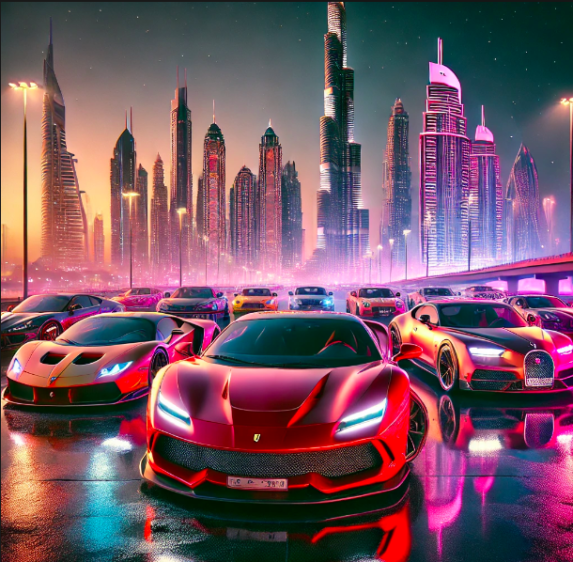
    Ultimately, the prominence of luxury cars in Dubai says as much about the city’s spirit as it does about its wealth. The automobile here is not merely a machine it is a statement of aspiration, design, and forward-thinking creativity. Whether displayed at exclusive gatherings, showcased in private collections, or simply cruising through illuminated city streets at night, these remarkable vehicles remain an integral part of Dubai’s modern cultural identity.

    In a metropolis where ambition fuels every industry from hospitality to architecture it is only fitting that the world’s most extraordinary automobiles have found one of their most vibrant homes.

  • The Dawn of a New Era: The All-New BMW iX3

    The Dawn of a New Era: The All-New BMW iX3

    by PRESS RELEASE

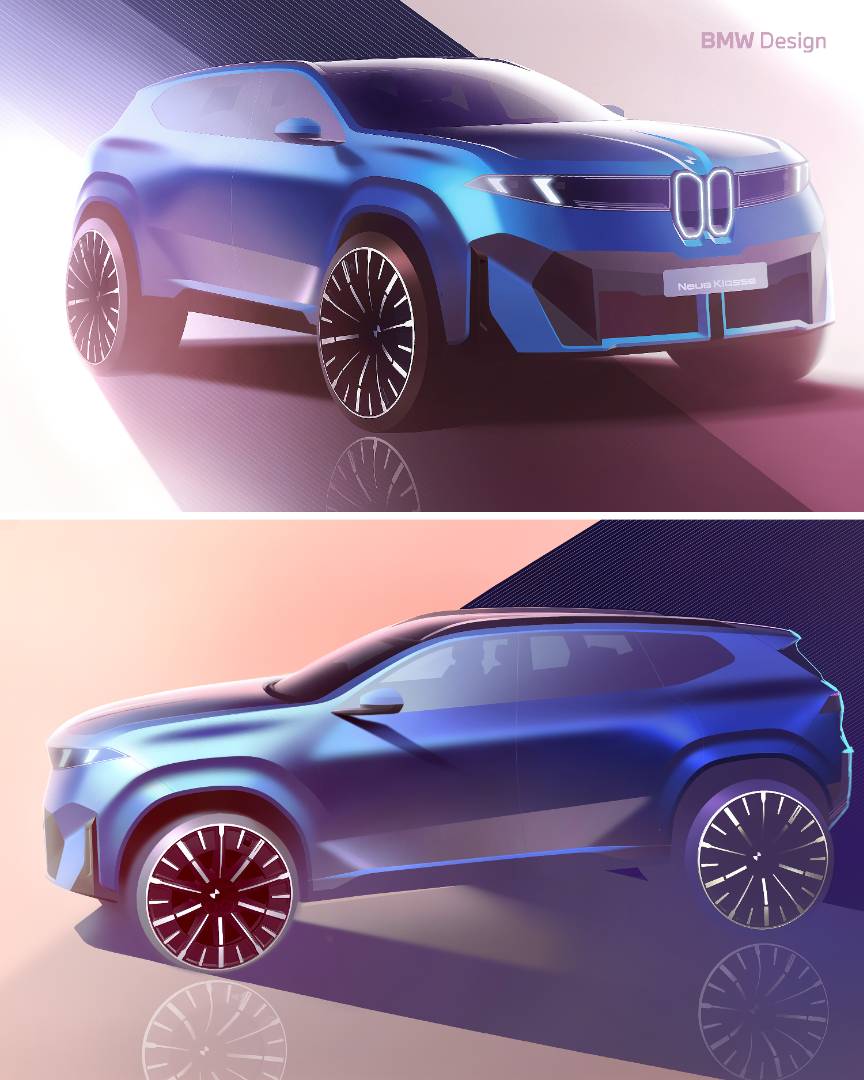
    With the unveiling of the all-new BMW iX3, BMW opens a decisive new chapter in its history. As the first series-produced model of the Neue Klasse, the new-generation iX3 is far more than a fully electric Sports Activity Vehicle (SAV); it is the first tangible expression of BMW’s next technological era redefining Sheer Driving Pleasure for the electric age.

    Blending an entirely new design language with sixth-generation BMW eDrive technology, cutting edge digital architecture and a holistic sustainability strategy, the BMW iX3 signals a leap that extends well beyond a conventional model update. For BMW, it marks a milestone in electrification, digitalisation and circularity and sets the blueprint for up to 40 new or updated models to follow by 2027.

    Performance, Range and Charging: Setting New Benchmarks

    At the heart of the new iX3 is sixth-generation BMW eDrive technology, combining highly efficient electric motors, an all-new high-voltage battery with cylindrical cells and 800-volt architecture.

    The launch variant, the BMW iX3 50 xDrive, produces 469 hp and 645 Nm of torque via dual electric motors, accelerating from 0–100 km/h in 4.9 seconds and reaching a top speed of 210 km/h. The electric all-wheel-drive system pairs an electrically excited synchronous motor (EESM) at the rear with a compact asynchronous motor (ASM) at the front underlining BMW’s commitment to technological neutrality in electric mobility.

    A usable battery capacity of 108.7 kWh enables a WLTP range of up to 805 kilometres (provisional figures). Energy density at cell level is 20 per cent higher than the previous generation, while energy losses have been reduced by 40 per cent. Weight is down by 10 per cent and manufacturing costs by 20 per cent compared to fifth-generation BMW eDrive systems.

    Charging performance is equally impressive. With a peak charging rate of 400 kW at 800V DC stations, the iX3 can add up to 372 kilometres of range in just 10 minutes. Charging from 10 to 80 per cent takes approximately 21 minutes. AC charging is supported at 11 kW as standard or 22 kW optionally.

    In a premiere for the model line, the new iX3 supports bidirectional charging. Vehicle-to-Load (V2L) enables it to function as a mobile power source; Vehicle-to-Home (V2H) allows integration into domestic solar systems; and Vehicle-to-Grid (V2G) opens the possibility of feeding energy back into the grid.

    A New Design Language: Reduced, Characterful, Timeless

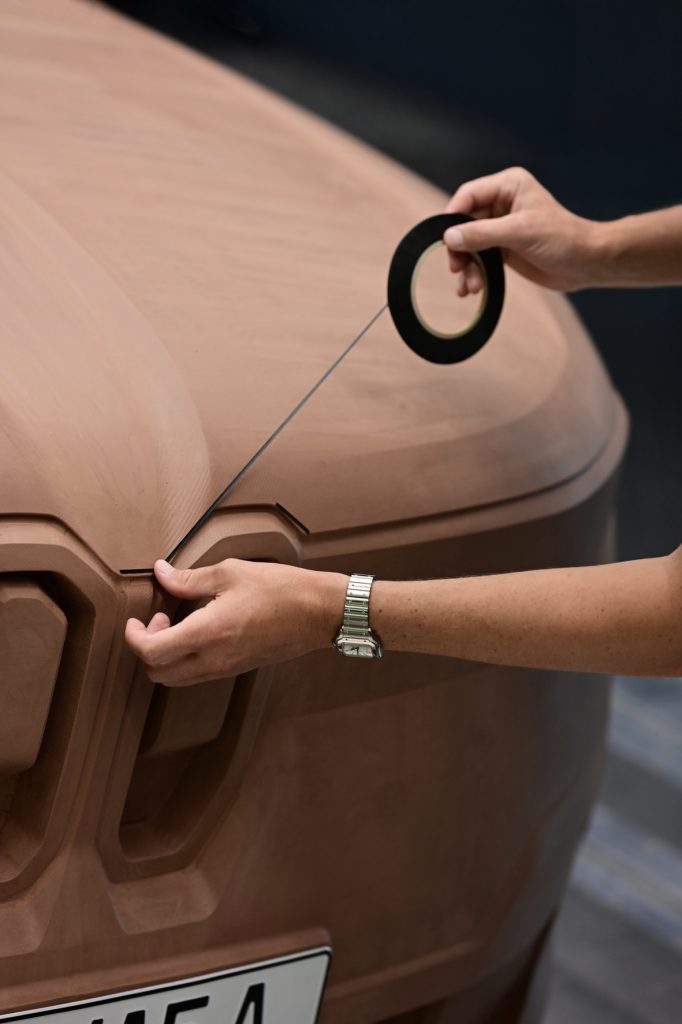
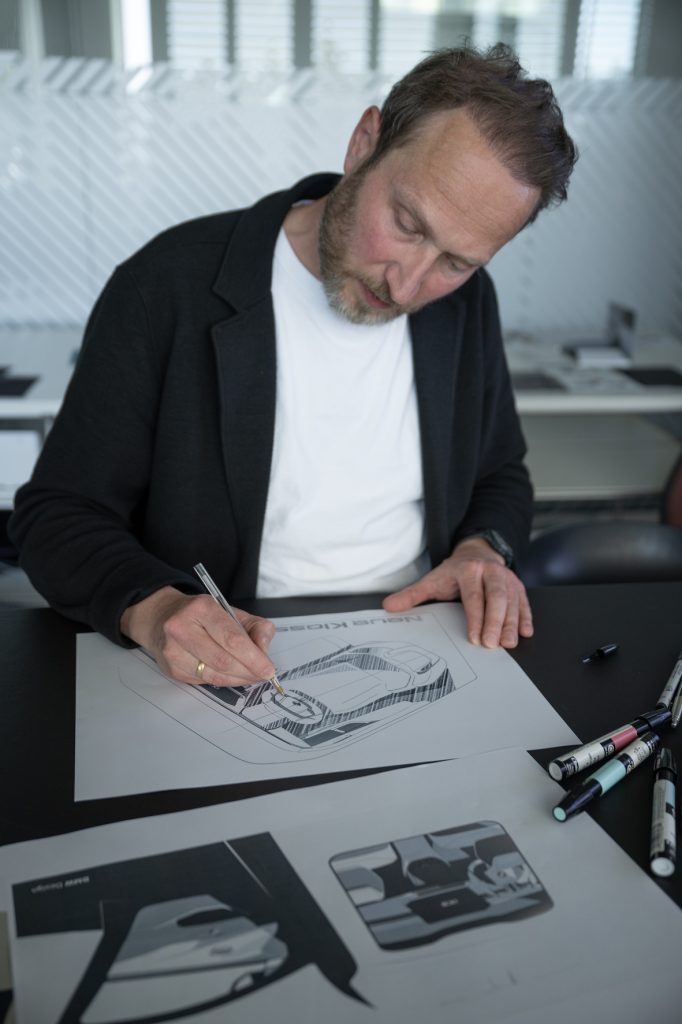
    The new BMW iX3 introduces a fresh design language that will progressively define the entire BMW portfolio.

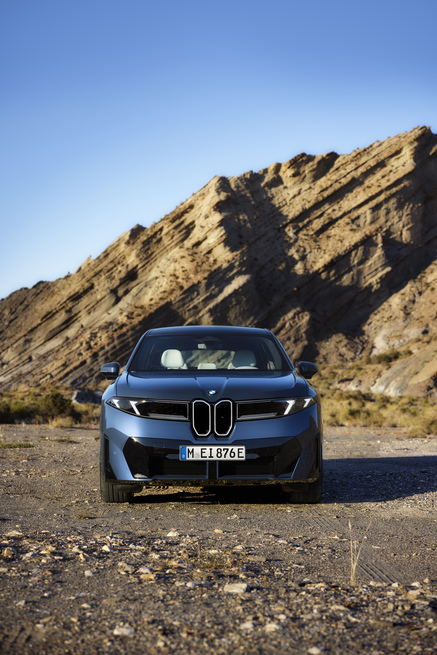
    Measuring 4,782 mm in length, 1,895 mm in width and 1,635 mm in height, the SAV retains hallmark BMW X proportions while adopting a more reduced, sculptural aesthetic. Its two-box silhouette, flush glazing and clean surfaces create a modern yet timeless presence. Aerodynamic refinement results in a drag coefficient of 0.24.

    The upright front end is dominated by vertically arranged BMW kidney grilles referencing the Neue Klasse of the 1960s, paired with a new light signature that replaces chrome accents with illuminated detailing. The rear interprets BMW’s signature L-shaped taillights in a horizontal format, reinforcing the vehicle’s width and athletic stance.

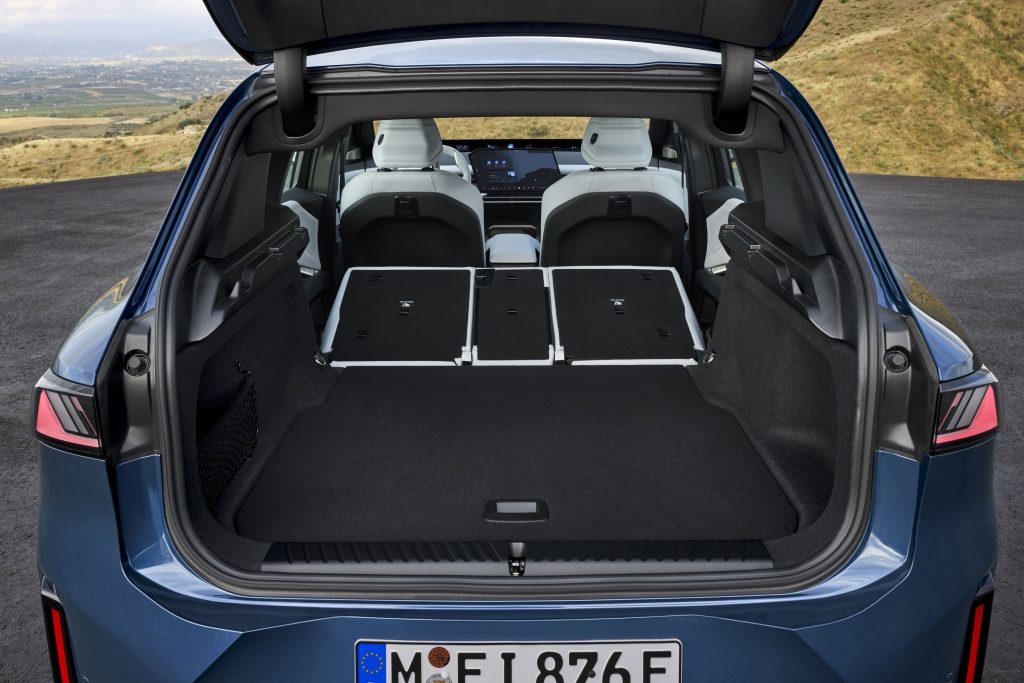
    Functionality remains integral: luggage capacity ranges from 520 litres to 1,750 litres with rear seats folded, complemented by an additional 58-litre storage compartment under the bonnet. An optional electric trailer tow hitch supports loads of up to 2,000 kilograms.

    Interior: Digital Clarity Meets Driver Focus

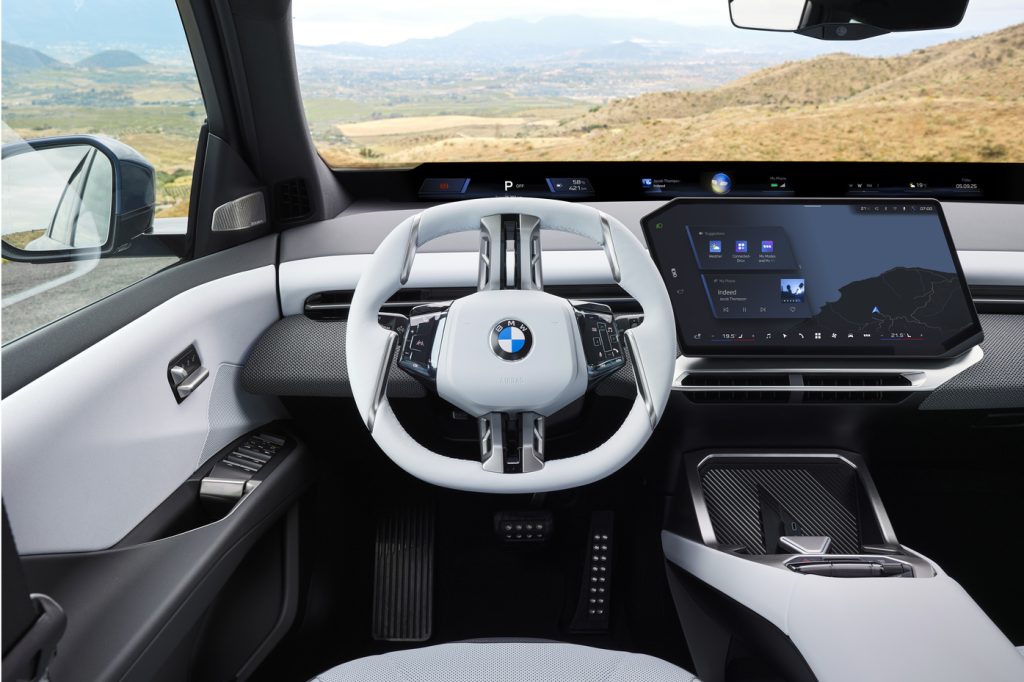
    Inside, the BMW iX3 establishes a new benchmark for digital integration and driver centric design. The architecture, purpose built for electric vehicles, delivers exceptional spaciousness across five seats. A floating instrument panel flows into the door trims, creating an enveloping cockpit atmosphere.

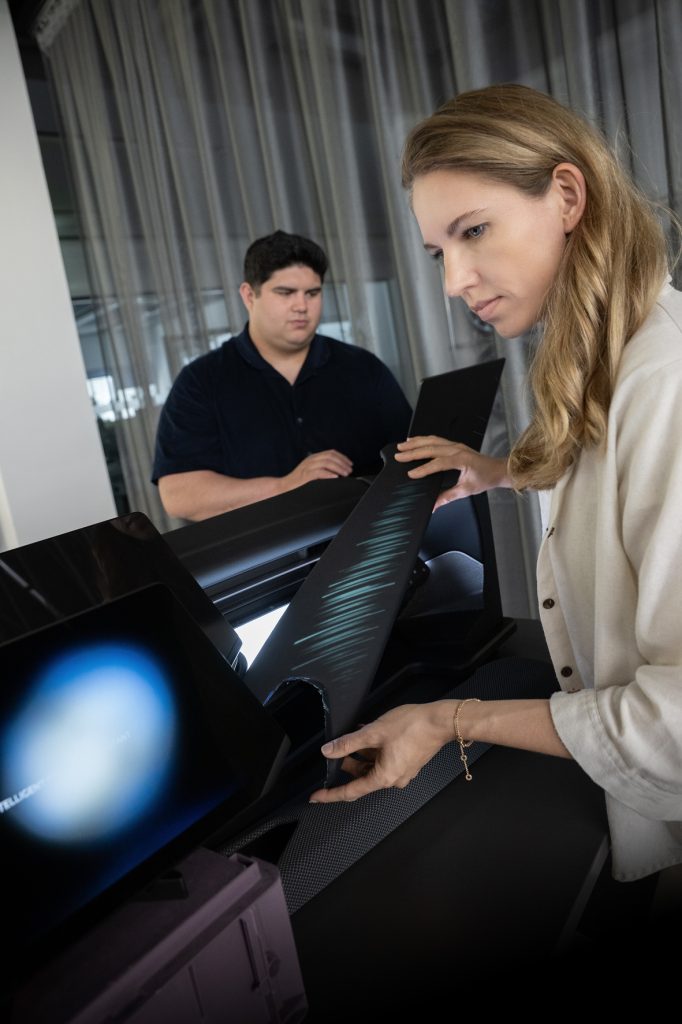
    Central to the experience is BMW Panoramic iDrive, underpinned by the newly developed BMW Operating System X. The system integrates four key display and control elements:

    • BMW Panoramic Vision projecting across the full width of the windscreen
    • Optional 3D Head-Up Display
    • Central Display with matrix backlight technology
    • A newly designed multifunction steering wheel with haptic feedback

    The system harmonises digital interaction with tactile controls, adhering to BMW’s “hands on the wheel, eyes on the road” philosophy. Developed using data from over 10 million connected vehicles and extensive customer research, it offers intuitive functionality via touch, voice and physical controls.

    The BMW Intelligent Personal Assistant has been significantly upgraded and will progressively integrate Large Language Model technology for more natural voice interaction.

    Entertainment and connectivity are equally advanced, with integrated access to apps such as Spotify, YouTube, Disney+ and Zoom, alongside gaming via AirConsole. Over-the-air updates ensure long-term future-proofing.

    Interior options range from the Essential specification in Vivid Grey with Econeer materials to Veganza trims, BMW M interior treatments and BMW Individual finishes featuring Merino leather.

    Four “Superbrains” and the Heart of Joy

    A completely new electronic architecture forms the backbone of the iX3. Four high performance “superbrains” manage driving dynamics, automated driving, infotainment and comfort systems.

    At its core lies the “Heart of Joy” the high-speed control unit responsible for drivetrain and dynamic management. Processing data up to ten times faster than conventional systems, it ensures seamless integration of power delivery, braking, energy recuperation and steering.

    In everyday driving, up to 98 per cent of braking is achieved via energy recuperation alone. The unique Soft Stop function delivers the smoothest stopping process yet achieved by a BMW.

    A dedicated “superbrain of automated driving” with 20 times the processing power of previous control units coordinates advanced driver assistance systems, including enhanced motorway and urban assistance features. BMW Symbiotic Drive integrates AI-supported assistance seamlessly with driver inputs for a more intuitive experience.

    Sustainability: Circular by Design

    The new BMW iX3 embodies a comprehensive sustainability strategy spanning development, supply chain, production, use and recycling.

    Approximately one-third of the vehicle consists of secondary raw materials. Examples include:

    • 30% recycled marine plastic in selected thermoplastic components
    • 100% recycled PET yarn for Econeer seat surfaces
    • 80% secondary aluminium in swivel bearings and hub carriers
    • 70% secondary aluminium in wheel rims

    Production at BMW Group Plant Debrecen in Hungary operates without fossil fuels in normal conditions. Over its full life cycle (200,000 km), the iX3 50 xDrive achieves a 34 per cent lower product carbon footprint than its predecessor.

    Production and Market Launch

    The first Neue Klasse model will be produced at the new BMW Group plant in Debrecen, Hungary, beginning in autumn 2025. Market launch will follow in Europe in spring 2026 and in the United States in summer 2026. A China-specific variant will be produced in Shenyang from summer 2026.

    A Strategic Milestone for BMW

    According to Oliver Zipse, Chairman of the Board of Management of BMW AG, the Neue Klasse represents the company’s most significant future focused initiative to date. Nearly every element is newly developed yet unmistakably BMW.

    With the all-new BMW iX3, the brand is not simply introducing the next generation of a successful electric SAV. It is laying the technological and design foundation for the next decade reaffirming its commitment to innovation, driving pleasure and responsible mobility in equal measure.

  • Mercedes‑Benz Places Binghatti City: The Dawn of Branded Urbanism in Dubai

    Mercedes‑Benz Places Binghatti City: The Dawn of Branded Urbanism in Dubai

    A strategic partnership between Binghatti and Mercedes‑Benz has officially broken ground on an integrated city in Nad Al Sheba 1. The question remains: is this the future of real estate investment, or a masterclass in luxury marketing?

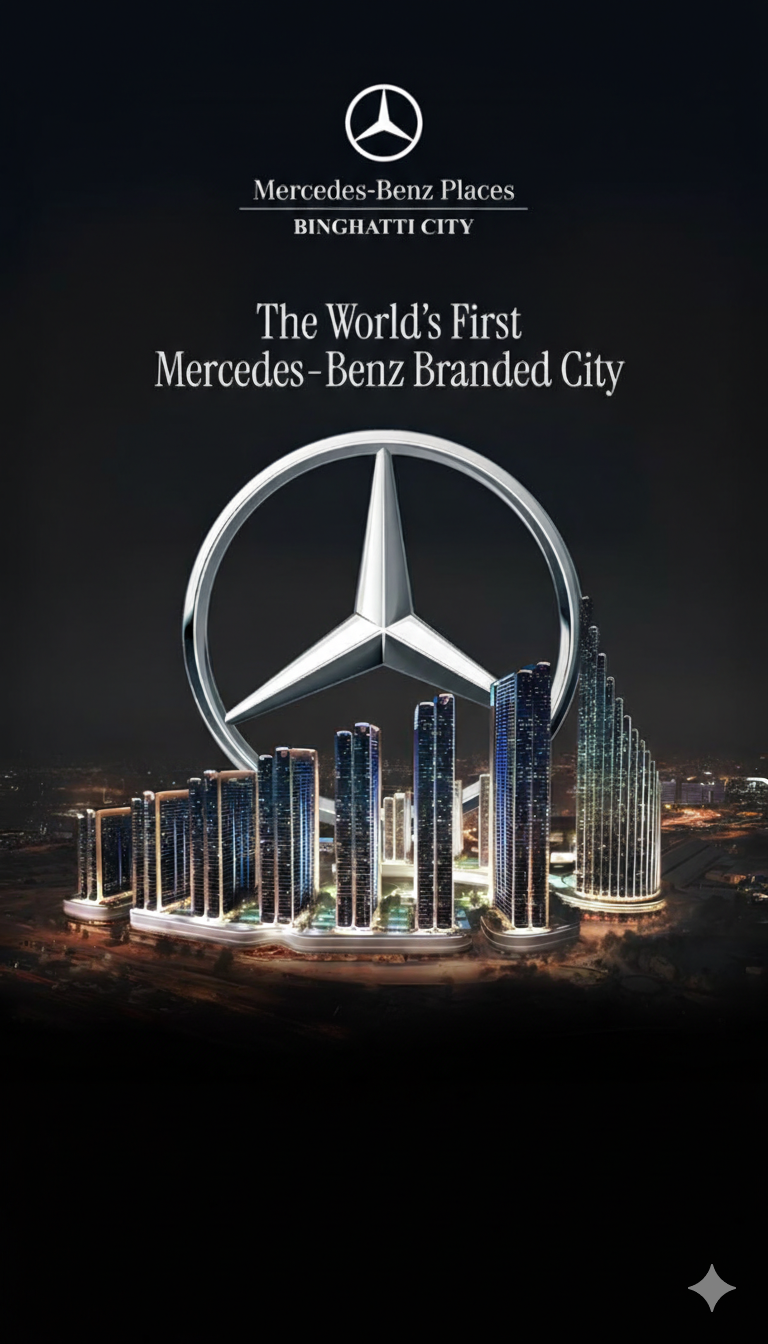
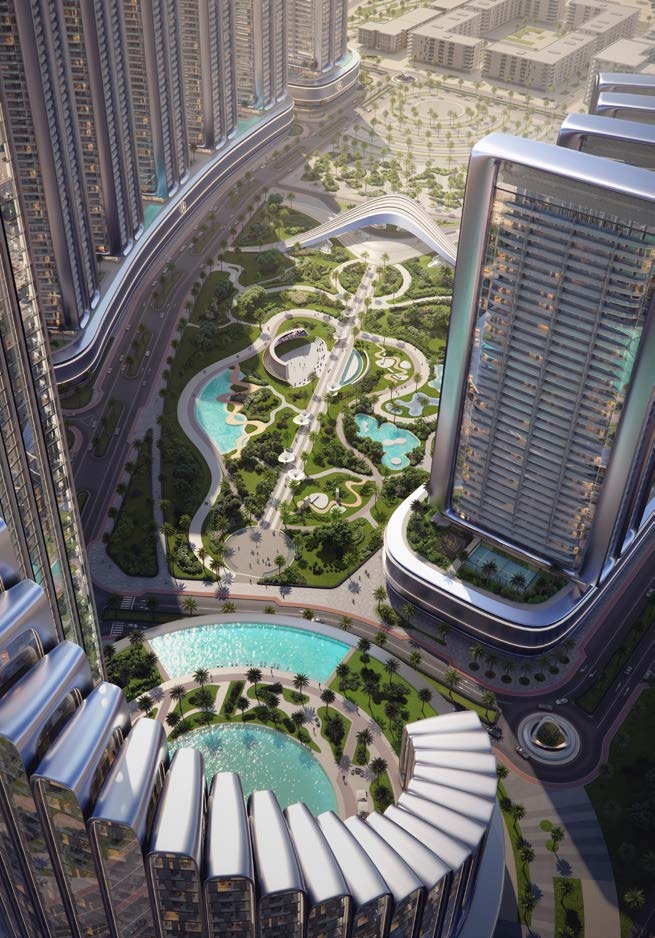
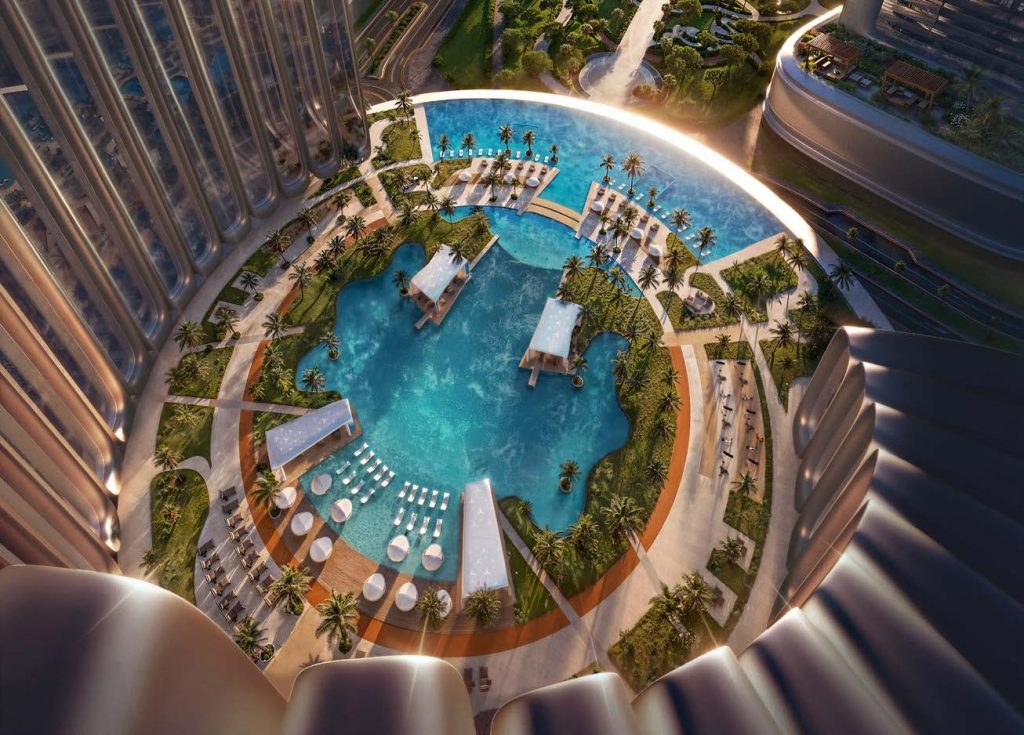
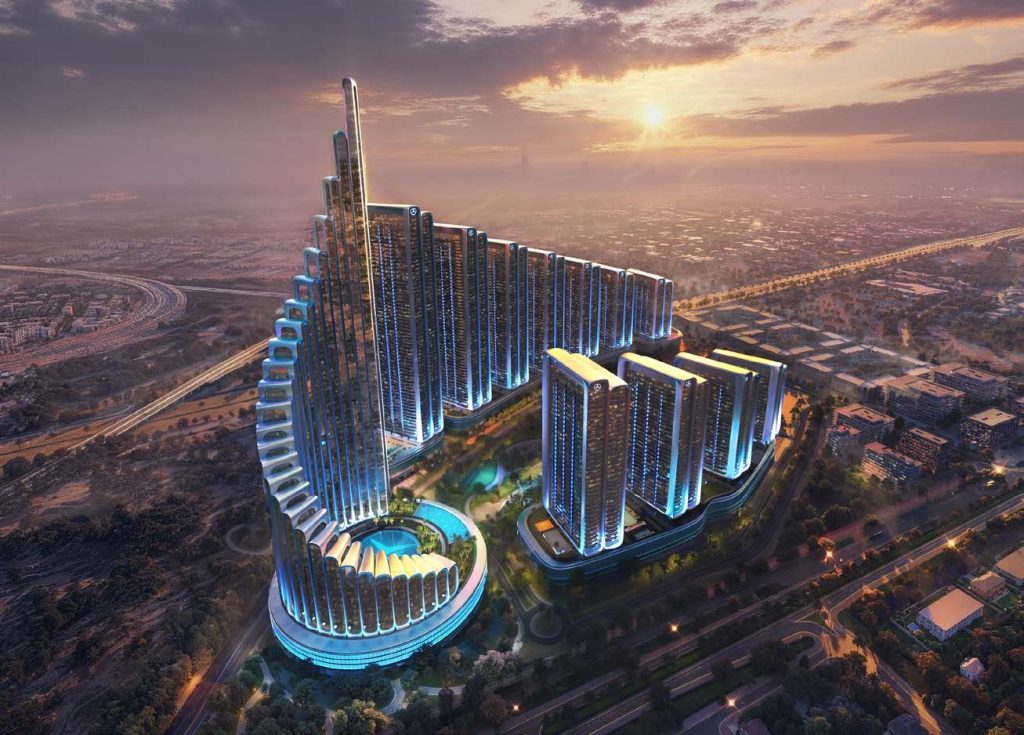
    In a move that has redefined the 2026 real estate landscape, Binghatti Developers has launched Mercedes‑Benz Places – Binghatti City. This AED 30 billion “city within a city” spans over 10 million square feet near the Meydan Racecourse, merging residential, commercial, and wellness zones into a singular, automotive-inspired fabric.

    Quick Overview of the Project

    • Location: Nad Al Sheba 1 (Meydan), Dubai.
    • The Vision: 12 iconic towers, each named after legendary Mercedes-Benz concept cars (e.g., Vision AVTR, Project Maybach, Vision One-Eleven).
    • Total Inventory: Over 13,386 units (6,321 studios, 4,963 one-beds, 1,653 two-beds, and exclusive 4–5 bedroom duplexes).
    • Retail & Lifestyle: 208 luxury retail outlets and 12 specialized sporting clubs (Padel, Golf simulators, Archery).
    • Sustainability: A massive 75,000 sq. ft. solar photovoltaic system designed to power EV charging stations for residents.
    • Expected Handover: Phase 1 is targeted for Q2 2028 – Q2 2029.

    Market Analysis: Why Branded Cities?

    Dubai is shifting toward “Mixed-Use Branded Developments.” By associating with Mercedes‑Benz, Binghatti isn’t just selling square footage; they are selling a lifestyle philosophy described as “Sensual Purity.” Data from early 2026 suggests that branded residences in Dubai are commanding a 20-30% premium in capital appreciation over non-branded counterparts, acting as a form of “liquidity insurance” for investors.

    The 2026 Connectivity Edge

    One of the most exciting aspects of the Nad Al Sheba location is its integration into Dubai’s 2026 Aerial Taxi network. Residents are positioned near key flight corridors, potentially cutting transit time to Dubai International Airport (DXB) to just 6 minutes via vertiports.