Three days with Dongfeng’s plug-in hybrid SUV reveal an appealing design, a comfortable driving experience and a modern cabin, alongside questions that only more time behind the wheel can answer.
There is something refreshing about driving a car without the burden of expectations. We have become accustomed to familiar automotive names, established reputations and the assumption that a higher price or a more prestigious badge must mean a better vehicle. Yet the automotive landscape is changing, and Chinese manufacturers are increasingly challenging those assumptions.
The Dongfeng Mage PHEV is an interesting example of that shift. Combining SUV styling with plug-in hybrid technology, it aims to appeal to drivers who want contemporary design, everyday comfort and the possibility of reducing their reliance on petrol.
I spent three days with the Mage PHEV. That is enough time to form a useful first impression of its design, cabin and general road manners, but not enough to make definitive claims about long-term reliability, ownership costs or fuel efficiency. With that distinction in mind, here is my assessment of the car.
First impressions: A design that gets your attention
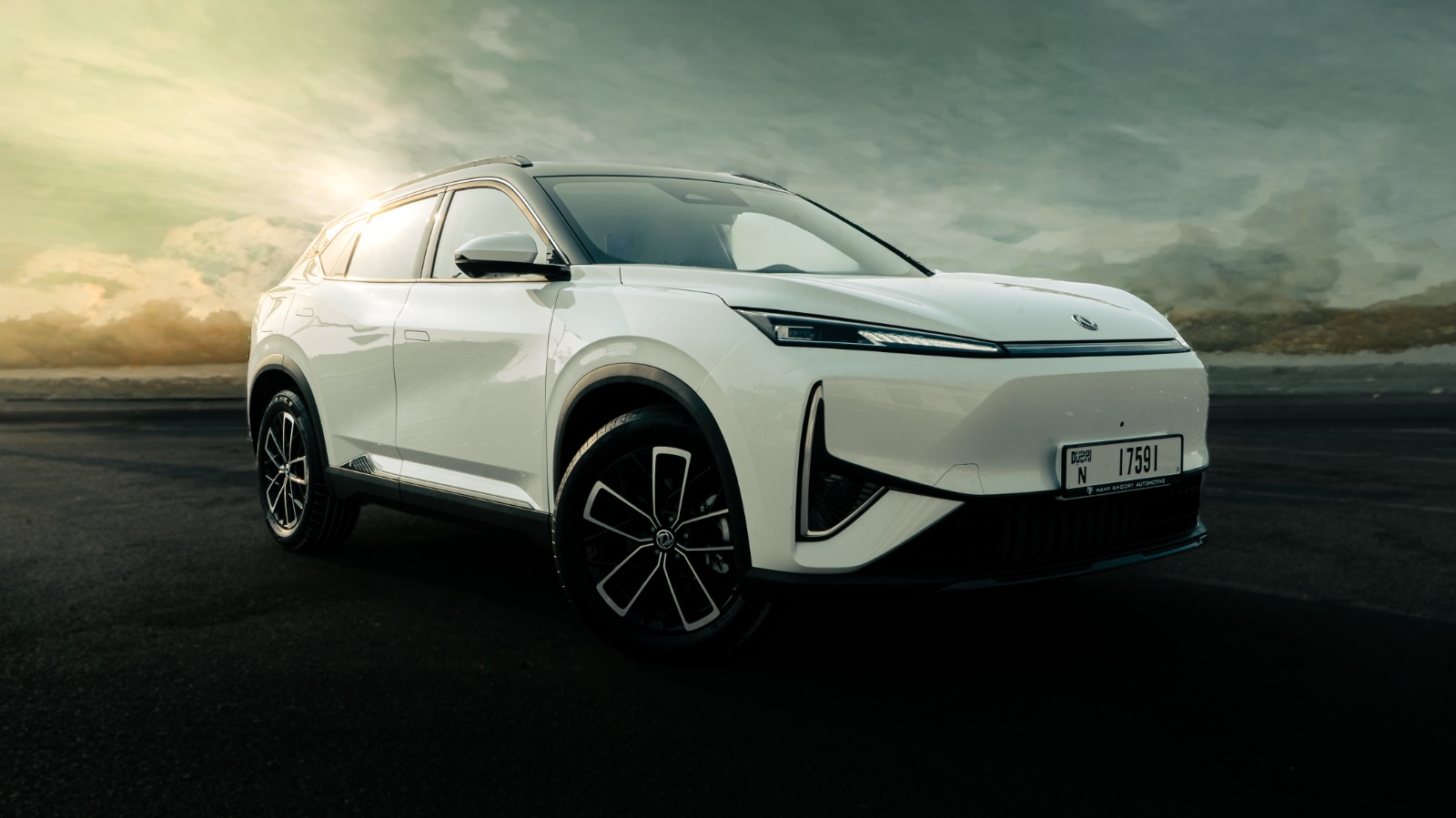
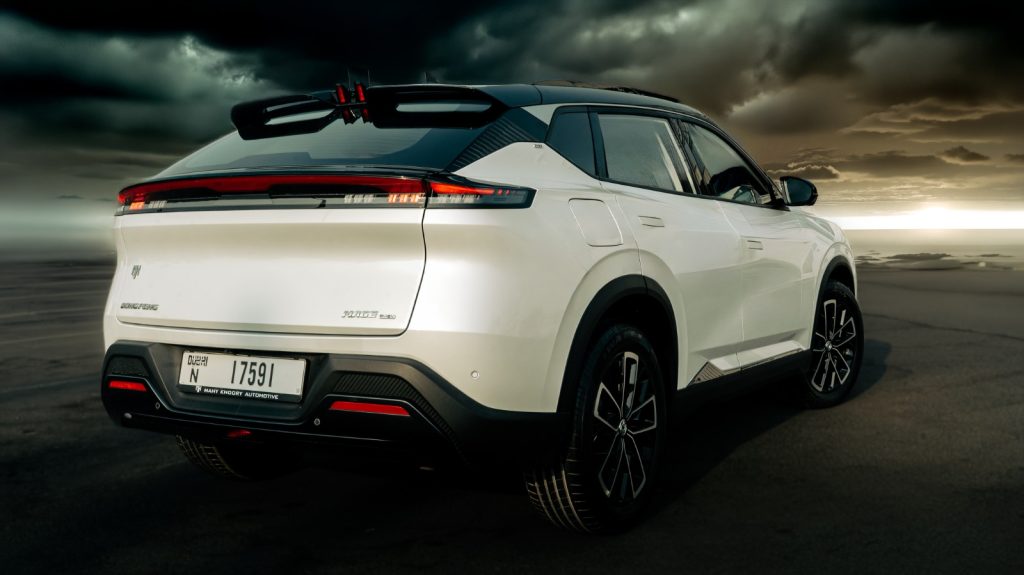
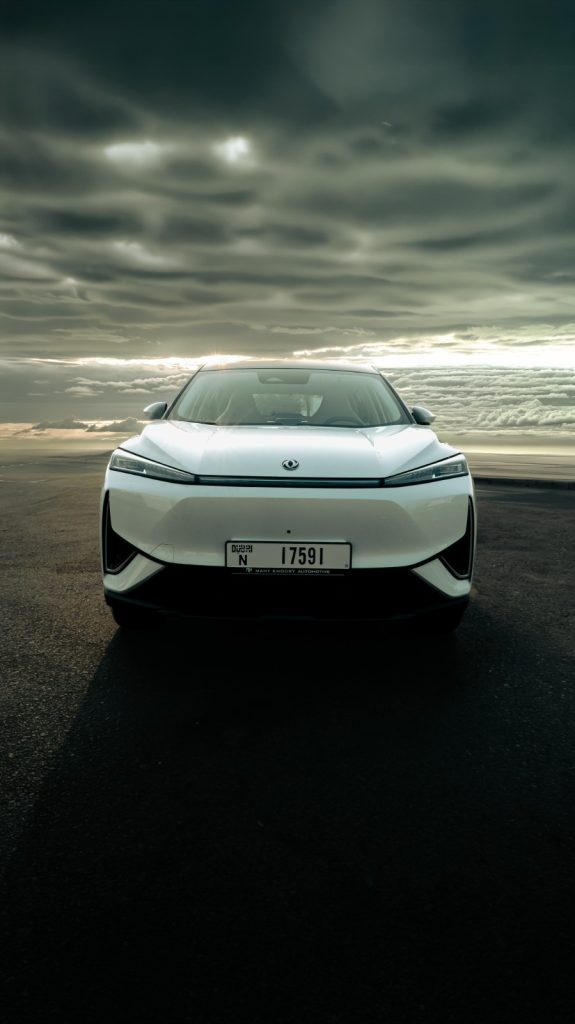
The first thing that appealed to me about the Mage PHEV was its exterior design. It has a contemporary, confident appearance that gives it a more distinctive presence than one might expect from a relatively unfamiliar nameplate.
Its proportions and styling give it a sporty character without making it look excessively aggressive. It feels designed for buyers who want their SUV to look modern and purposeful, rather than simply practical.
Design is subjective, of course, but my first impression was positive. The Mage does not immediately come across as a vehicle that has been designed merely to compete on price. It has its own visual identity, and that matters in a segment where buyers have plenty of options.
Whether that styling will age well is something only time can tell. For now, I consider the exterior one of the car’s strongest attributes.
Inside the cabin: Modern, comfortable and generally convincing
Inside, the Mage PHEV continues the contemporary theme. The cabin feels modern and reasonably well put together, with an emphasis on technology and the clean, uncluttered appearance that has become increasingly common in newer vehicles.
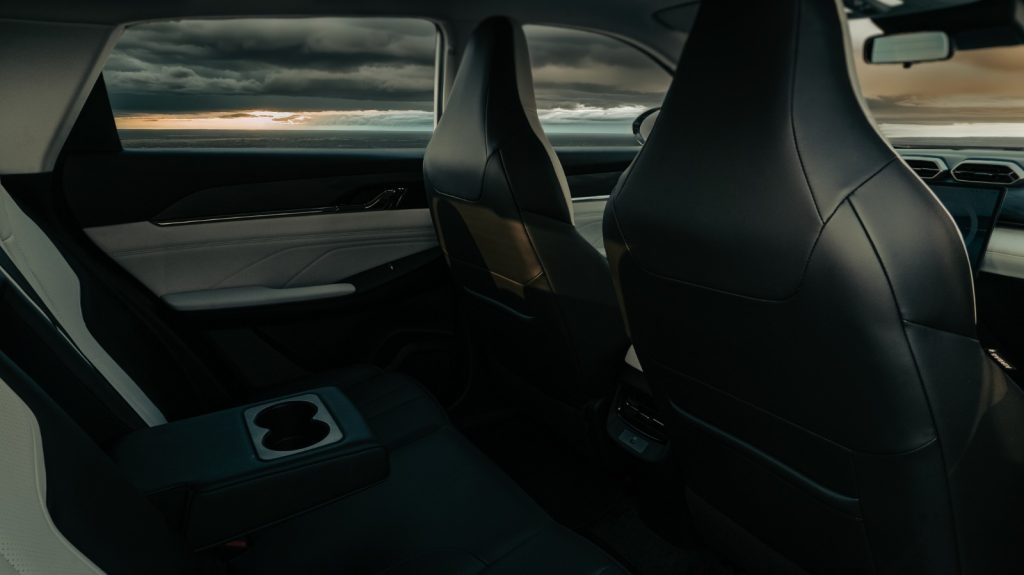
My overall impression of the interior was good. It provides the sort of environment that makes the car feel current, rather than dated or compromised. Comfort was also a positive part of my three-day experience, and the Mage felt well suited to ordinary daily driving.
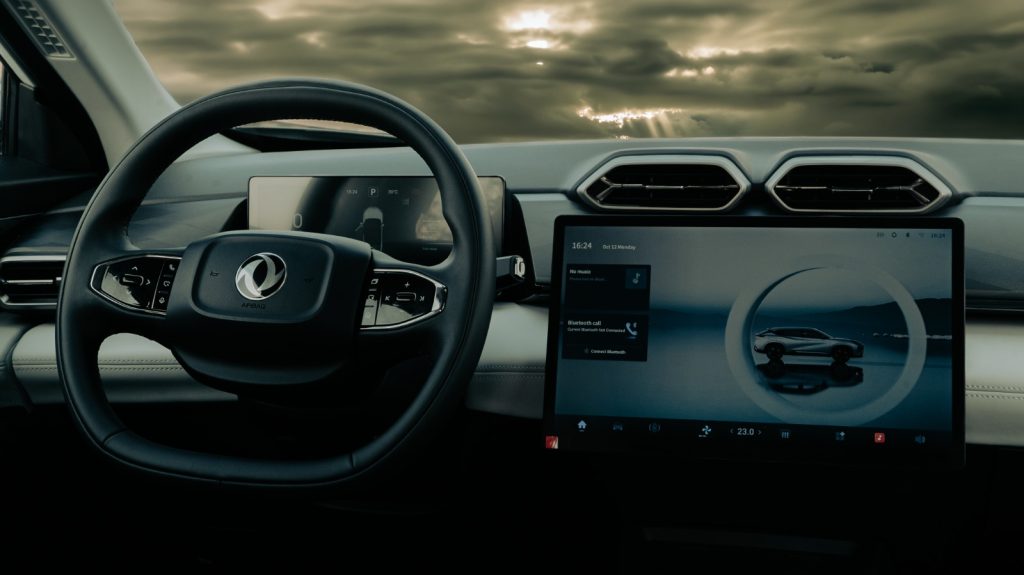
However, a modern-looking cabin and a genuinely premium interior are not necessarily the same thing. The quality of individual materials, the durability of frequently touched surfaces and the way components hold up after years of use are difficult to judge during a short test.
I would therefore stop short of describing the cabin as class-leading. It is appealing and comfortable, and that is a solid starting point.
Behind the wheel: More about everyday usability than drama
The Mage PHEV proved good in the driving department during my time with it. Its overall road manners were agreeable, and the experience was generally consistent with what I would want from a contemporary family-oriented SUV.
What matters most in this category is not necessarily outright acceleration or an impressive figure on a specification sheet. It is how naturally a car fits into everyday life: how it responds to the driver, how comfortable it feels on ordinary journeys and whether it makes driving less tiring.
On those broad impressions, the Mage made a positive case for itself.
The plug-in hybrid configuration is also an important part of its appeal. In principle, a PHEV can offer electric driving for shorter journeys while retaining a petrol engine for longer trips. For drivers who can charge at home or at work, that combination can be attractive.
But the technology needs to be assessed in context. Performance, fuel consumption and the smoothness of the transition between electric and petrol power depend on the particular vehicle calibration and the way the car is driven. I did not gather enough measured data during my three days to make a reliable claim about the Mage’s real-world efficiency or electric range.
That is an important distinction. Impressive engineering figures may suggest potential, but they are not a substitute for a properly measured road test.
Comfort: A welcome strength
Ride comfort was another positive aspect of my experience. The Mage felt comfortable overall, making it a credible candidate for daily commuting and routine family use.
That is particularly relevant in the UAE, where a vehicle may spend much of its life moving between urban traffic, motorways, shopping centres and residential neighbourhoods. A car needs to be easy to live with, not merely attractive in a showroom.
A longer test would be needed to assess how the suspension deals with different road surfaces, how well the cabin suppresses tyre and wind noise at higher speeds, and how the car behaves when fully loaded with passengers and luggage.
Nevertheless, my initial impression was favourable. The Mage offers a comfortable driving experience without requiring the driver to make that comfort the sole priority.
Technology: Plenty of promise, but execution matters
Modern technology is an increasingly important part of the car-buying decision, and the Mage PHEV clearly belongs to the current generation of screen-led, digitally oriented vehicles.
Yet this is also an area where I would reserve some judgement. There is a difference between fitting a car with impressive technology and making that technology genuinely intuitive.
Displays and connectivity features can create an immediate impression in a showroom. Their value over time depends on how easily drivers can access everyday functions, how responsive the software is and whether important controls can be operated without unnecessary distraction.
My assessment of the Mage’s technology and controls was mixed. I could appreciate the modern approach, but I was not entirely convinced by the overall experience.
For me, this is an area where manufacturers should remember that technology is supposed to make driving easier. A feature is not necessarily an improvement simply because it is digital. Good ergonomics, clear menus and straightforward access to essential functions remain important.
The plug-in hybrid question: Efficiency still needs to be proven
The PHEV badge is arguably the most significant part of the Mage’s proposition. It promises the possibility of combining electric driving with the flexibility of a conventional petrol-powered vehicle.
However, the real benefits depend heavily on the owner’s circumstances. A driver who regularly charges the battery and covers relatively short daily distances may benefit considerably. Someone who rarely plugs in may experience a very different result.
For UAE buyers, the practical questions are straightforward: How far can the vehicle travel on electricity under local conditions? How much petrol does it use once the battery’s usable charge is depleted? How does air-conditioning demand affect consumption in hot weather? And how easy is it to charge at home or at work?
I would not pretend to have answered those questions after three days. Without a recorded starting and ending battery charge, a known driving distance and consistent measurements of fuel and electricity consumption, any precise efficiency claim would be premature.
A longer test, ideally including a fully charged battery, regular commuting and highway driving, would provide a much clearer picture.
Pros and cons
What I liked
- Exterior styling: Contemporary, sporty and visually distinctive.
- Cabin presentation: Modern in appearance and generally convincing.
- Driving experience: Good overall road manners for everyday use.
- Comfort: A positive first impression that suits the SUV’s intended role.
- Plug-in hybrid concept: Potentially attractive for drivers with convenient charging access.
What deserves closer examination
- Technology and controls: The overall experience was mixed, and ease of use matters as much as the equipment itself.
- Real-world efficiency: Fuel consumption and electric range need to be measured over a longer period.
- Long-term durability: Three days cannot establish how well the interior, electronics or hybrid system will age.
- Ownership support: Buyers should establish the exact local warranty, service arrangements and parts availability for the vehicle they are considering.
- Resale value: There is not enough evidence from a short test to draw a meaningful conclusion about future depreciation.
The verdict: A credible first impression, with more to prove
After three days, my view of the Dongfeng Mage PHEV is positive, but measured.
Its design is a genuine strength, the cabin is appealing, and the overall driving experience is good. Comfort adds to its appeal, while the technology and controls leave room for improvement. These are meaningful first impressions, although they do not tell the whole story.
The wider question is whether the Mage can deliver on the promise of plug-in hybrid ownership over months and years. Real-world fuel economy, electric range, battery performance in the UAE climate, reliability and resale value all deserve proper investigation before any firm conclusions can be drawn.
I would also encourage prospective buyers to verify the warranty terms, servicing arrangements and parts availability applicable to their exact vehicle and local dealer. These are practical considerations for any relatively unfamiliar model, not criticisms of Dongfeng based on evidence I do not yet have.
Would I recommend the Mage PHEV? I would certainly encourage buyers to put it on their test-drive list. It deserves consideration on its own merits rather than being dismissed simply because it carries a less familiar badge.
Would I give it an unqualified recommendation? Not yet. I would want more time with the car, measured efficiency results and a clearer picture of ownership support before making that call.
For now, the Dongfeng Mage PHEV strikes me as a promising newcomer with a lot going for it. Three days have given me reasons to be interested. Whether that interest translates into a strong long-term ownership proposition is a question that deserves a longer test.
Leave a Reply