Author: Yomna

  • Dongfeng Mage PHEV: A Promising Alternative That Deserves a Closer Look

    Dongfeng Mage PHEV: A Promising Alternative That Deserves a Closer Look

    Three days with Dongfeng’s plug-in hybrid SUV reveal an appealing design, a comfortable driving experience and a modern cabin, alongside questions that only more time behind the wheel can answer.

    There is something refreshing about driving a car without the burden of expectations. We have become accustomed to familiar automotive names, established reputations and the assumption that a higher price or a more prestigious badge must mean a better vehicle. Yet the automotive landscape is changing, and Chinese manufacturers are increasingly challenging those assumptions.

    The Dongfeng Mage PHEV is an interesting example of that shift. Combining SUV styling with plug-in hybrid technology, it aims to appeal to drivers who want contemporary design, everyday comfort and the possibility of reducing their reliance on petrol.
    I spent three days with the Mage PHEV. That is enough time to form a useful first impression of its design, cabin and general road manners, but not enough to make definitive claims about long-term reliability, ownership costs or fuel efficiency. With that distinction in mind, here is my assessment of the car.

    First impressions: A design that gets your attention

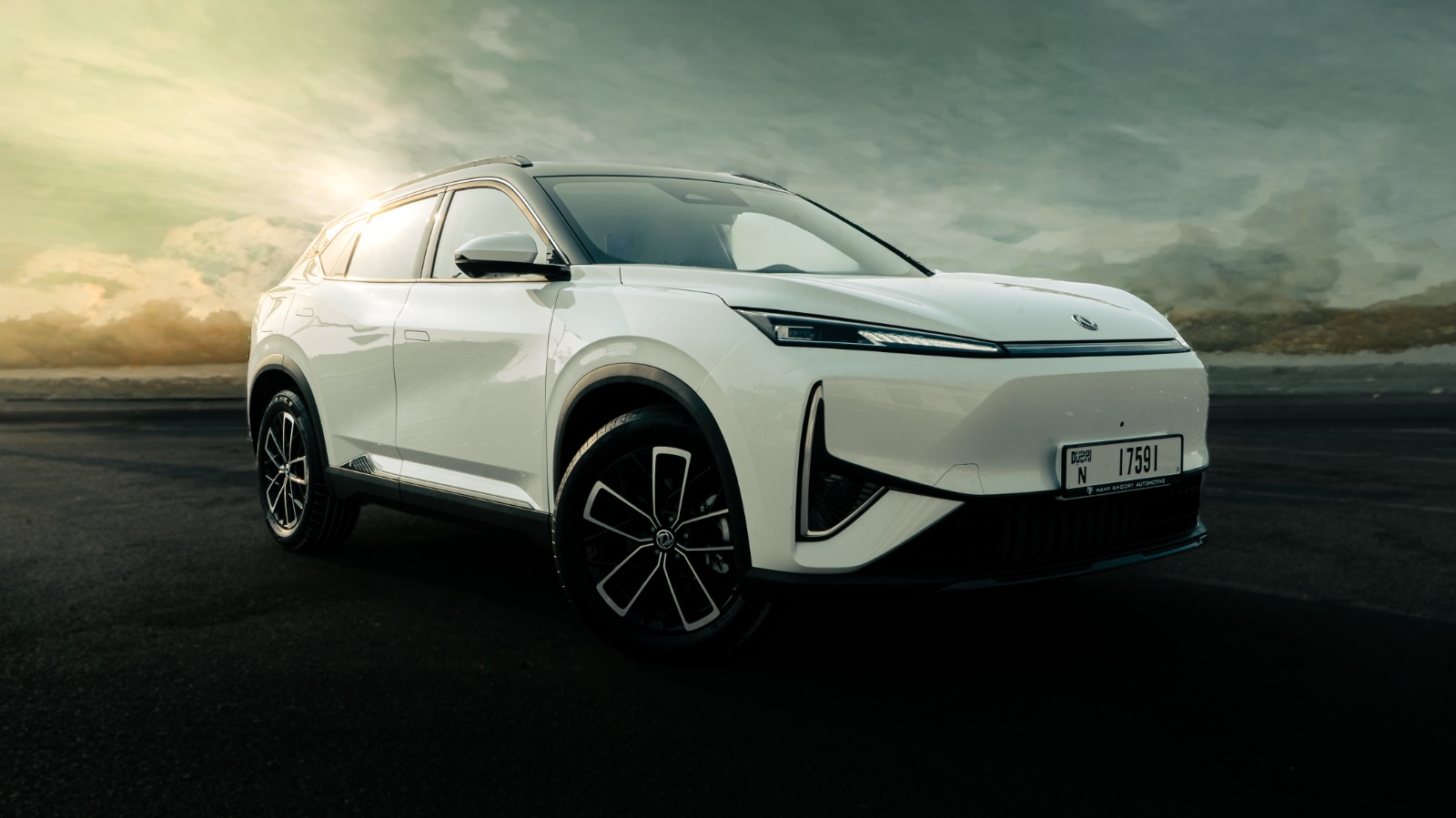
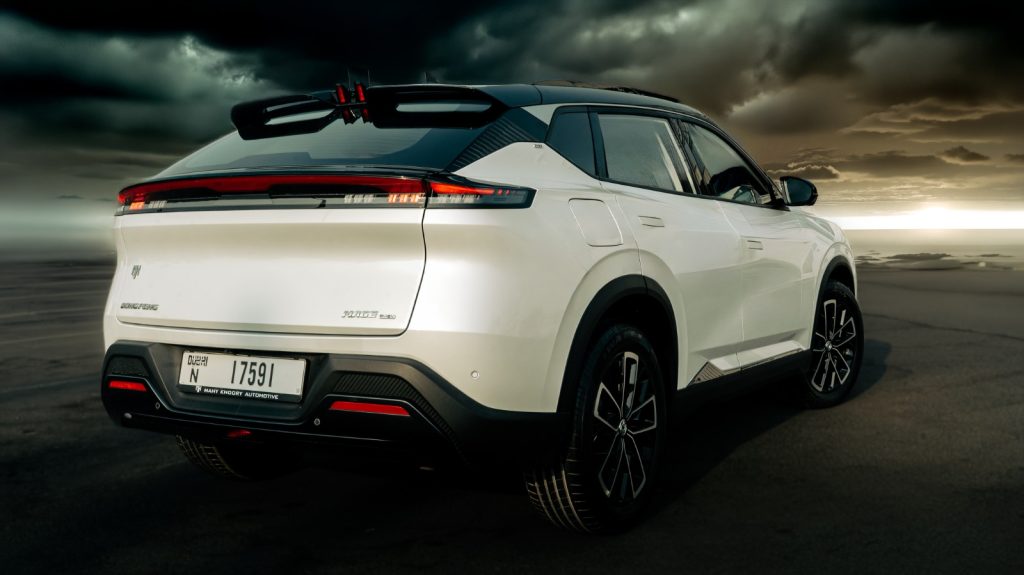
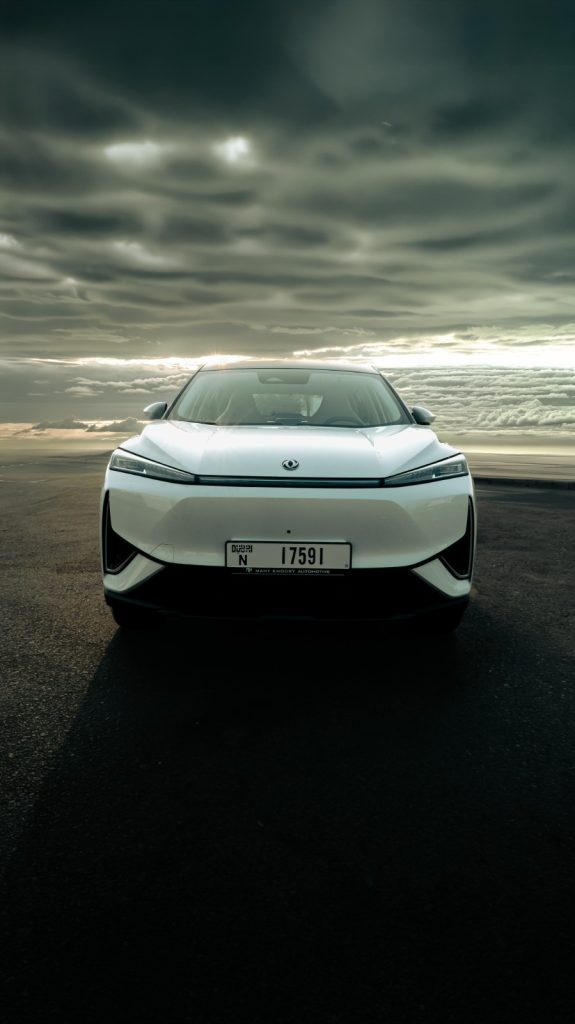
    The first thing that appealed to me about the Mage PHEV was its exterior design. It has a contemporary, confident appearance that gives it a more distinctive presence than one might expect from a relatively unfamiliar nameplate.

    Its proportions and styling give it a sporty character without making it look excessively aggressive. It feels designed for buyers who want their SUV to look modern and purposeful, rather than simply practical.

    Design is subjective, of course, but my first impression was positive. The Mage does not immediately come across as a vehicle that has been designed merely to compete on price. It has its own visual identity, and that matters in a segment where buyers have plenty of options.

    Whether that styling will age well is something only time can tell. For now, I consider the exterior one of the car’s strongest attributes.

    Inside the cabin: Modern, comfortable and generally convincing

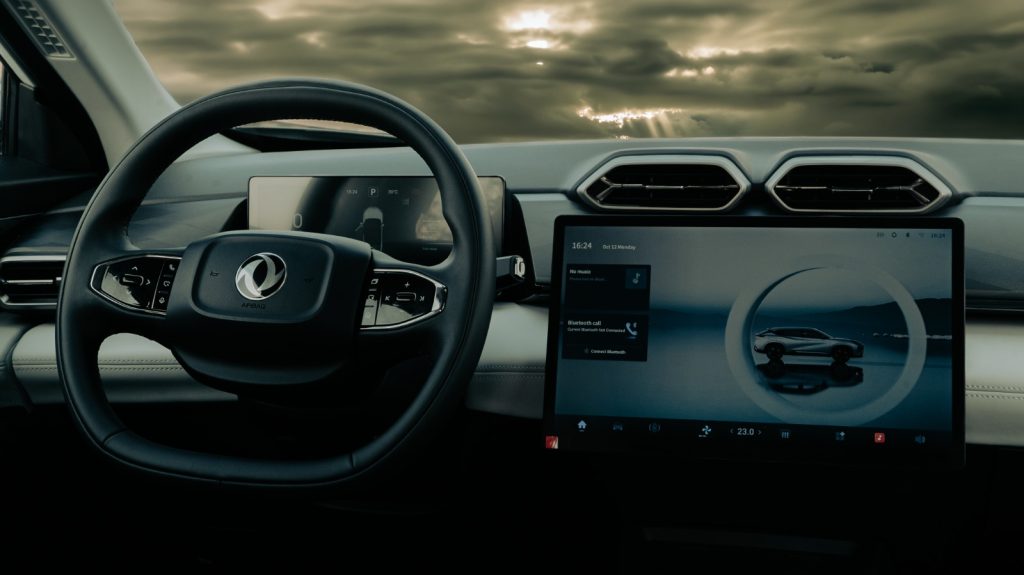
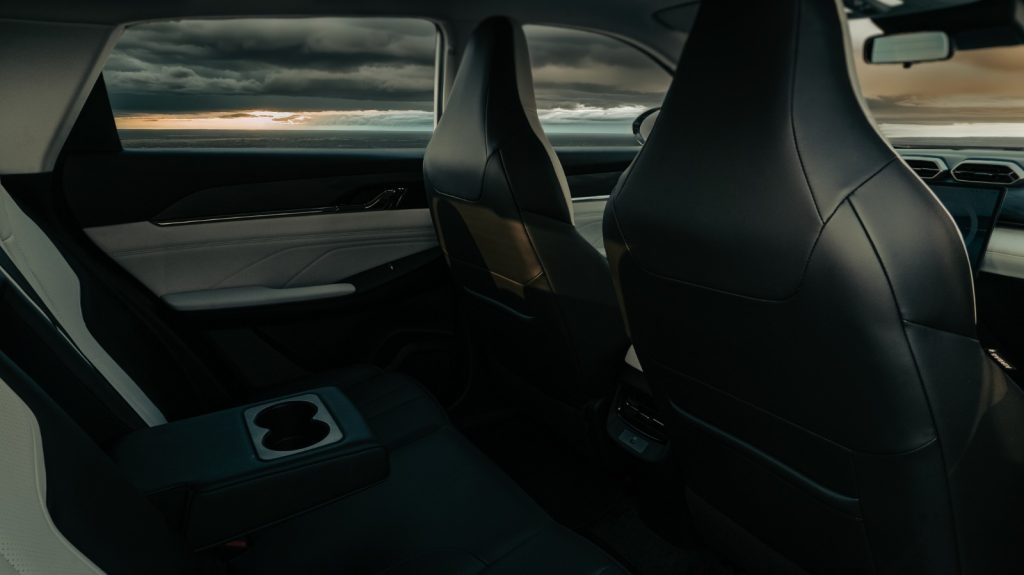
    Inside, the Mage PHEV continues the contemporary theme. The cabin feels modern and reasonably well put together, with an emphasis on technology and the clean, uncluttered appearance that has become increasingly common in newer vehicles.

    My overall impression of the interior was good. It provides the sort of environment that makes the car feel current, rather than dated or compromised. Comfort was also a positive part of my three-day experience, and the Mage felt well suited to ordinary daily driving.
    However, a modern-looking cabin and a genuinely premium interior are not necessarily the same thing. The quality of individual materials, the durability of frequently touched surfaces and the way components hold up after years of use are difficult to judge during a short test.

    I would therefore stop short of describing the cabin as class-leading. It is appealing and comfortable, and that is a solid starting point.

    Behind the wheel: More about everyday usability than drama

    The Mage PHEV proved good in the driving department during my time with it. Its overall road manners were agreeable, and the experience was generally consistent with what I would want from a contemporary family-oriented SUV.

    What matters most in this category is not necessarily outright acceleration or an impressive figure on a specification sheet. It is how naturally a car fits into everyday life: how it responds to the driver, how comfortable it feels on ordinary journeys and whether it makes driving less tiring.

    On those broad impressions, the Mage made a positive case for itself.

    The plug-in hybrid configuration is also an important part of its appeal. In principle, a PHEV can offer electric driving for shorter journeys while retaining a petrol engine for longer trips. For drivers who can charge at home or at work, that combination can be attractive.

    But the technology needs to be assessed in context. Performance, fuel consumption and the smoothness of the transition between electric and petrol power depend on the particular vehicle calibration and the way the car is driven. I did not gather enough measured data during my three days to make a reliable claim about the Mage’s real-world efficiency or electric range.

    That is an important distinction. Impressive engineering figures may suggest potential, but they are not a substitute for a properly measured road test.

    Comfort: A welcome strength

    Ride comfort was another positive aspect of my experience. The Mage felt comfortable overall, making it a credible candidate for daily commuting and routine family use.
    That is particularly relevant in the UAE, where a vehicle may spend much of its life moving between urban traffic, motorways, shopping centres and residential neighbourhoods. A car needs to be easy to live with, not merely attractive in a showroom.

    A longer test would be needed to assess how the suspension deals with different road surfaces, how well the cabin suppresses tyre and wind noise at higher speeds, and how the car behaves when fully loaded with passengers and luggage.

    Nevertheless, my initial impression was favourable. The Mage offers a comfortable driving experience without requiring the driver to make that comfort the sole priority.

    Technology: Plenty of promise, but execution matters

    Modern technology is an increasingly important part of the car-buying decision, and the Mage PHEV clearly belongs to the current generation of screen-led, digitally oriented vehicles.

    Yet this is also an area where I would reserve some judgement. There is a difference between fitting a car with impressive technology and making that technology genuinely intuitive.

    Displays and connectivity features can create an immediate impression in a showroom. Their value over time depends on how easily drivers can access everyday functions, how responsive the software is and whether important controls can be operated without unnecessary distraction.

    My assessment of the Mage’s technology and controls was mixed. I could appreciate the modern approach, but I was not entirely convinced by the overall experience.

    For me, this is an area where manufacturers should remember that technology is supposed to make driving easier. A feature is not necessarily an improvement simply because it is digital. Good ergonomics, clear menus and straightforward access to essential functions remain important.

    The plug-in hybrid question: Efficiency still needs to be proven

    The PHEV badge is arguably the most significant part of the Mage’s proposition. It promises the possibility of combining electric driving with the flexibility of a conventional petrol-powered vehicle.

    However, the real benefits depend heavily on the owner’s circumstances. A driver who regularly charges the battery and covers relatively short daily distances may benefit considerably. Someone who rarely plugs in may experience a very different result.

    For UAE buyers, the practical questions are straightforward: How far can the vehicle travel on electricity under local conditions? How much petrol does it use once the battery’s usable charge is depleted? How does air-conditioning demand affect consumption in hot weather? And how easy is it to charge at home or at work?

    I would not pretend to have answered those questions after three days. Without a recorded starting and ending battery charge, a known driving distance and consistent measurements of fuel and electricity consumption, any precise efficiency claim would be premature.

    A longer test, ideally including a fully charged battery, regular commuting and highway driving, would provide a much clearer picture.
    Pros and cons

    What I liked

    • Exterior styling: Contemporary, sporty and visually distinctive.
    • Cabin presentation: Modern in appearance and generally convincing.
    • Driving experience: Good overall road manners for everyday use.
    • Comfort: A positive first impression that suits the SUV’s intended role.
    • Plug-in hybrid concept: Potentially attractive for drivers with convenient charging access.

    What deserves closer examination

    • Technology and controls: The overall experience was mixed, and ease of use matters as much as the equipment itself.
    • Real-world efficiency: Fuel consumption and electric range need to be measured over a longer period.
    • Long-term durability: Three days cannot establish how well the interior, electronics or hybrid system will age.
    • Ownership support: Buyers should establish the exact local warranty, service arrangements and parts availability for the vehicle they are considering.
    • Resale value: There is not enough evidence from a short test to draw a meaningful conclusion about future depreciation.

    The verdict: A credible first impression, with more to prove

    After three days, my view of the Dongfeng Mage PHEV is positive, but measured.

    Its design is a genuine strength, the cabin is appealing, and the overall driving experience is good. Comfort adds to its appeal, while the technology and controls leave room for improvement. These are meaningful first impressions, although they do not tell the whole story.

    The wider question is whether the Mage can deliver on the promise of plug-in hybrid ownership over months and years. Real-world fuel economy, electric range, battery performance in the UAE climate, reliability and resale value all deserve proper investigation before any firm conclusions can be drawn.

    I would also encourage prospective buyers to verify the warranty terms, servicing arrangements and parts availability applicable to their exact vehicle and local dealer. These are practical considerations for any relatively unfamiliar model, not criticisms of Dongfeng based on evidence I do not yet have.

    Would I recommend the Mage PHEV? I would certainly encourage buyers to put it on their test-drive list. It deserves consideration on its own merits rather than being dismissed simply because it carries a less familiar badge.

    Would I give it an unqualified recommendation? Not yet. I would want more time with the car, measured efficiency results and a clearer picture of ownership support before making that call.

    For now, the Dongfeng Mage PHEV strikes me as a promising newcomer with a lot going for it. Three days have given me reasons to be interested. Whether that interest translates into a strong long-term ownership proposition is a question that deserves a longer test.
  • LES TOUPIES BY HENRY JACQUES

    LES TOUPIES BY HENRY JACQUES

    A DANCE OF TWO

    When fragrance becomes sculpture, and crystal learns to move, Henry Jacques invites us into a world where luxury is not simply worn — it is experienced.

    There are fragrances that announce themselves, and then there are fragrances that ask to be discovered.

    With Les Toupies, Henry Jacques transforms Haute Parfumerie into an intimate dialogue between scent, light, movement and form. Returning to the Middle East in a limited collection of three extraordinary pairs, Les Toupies is a celebration of duality — where no fragrance exists entirely alone, and where the true story unfolds somewhere between two distinct olfactive personalities.

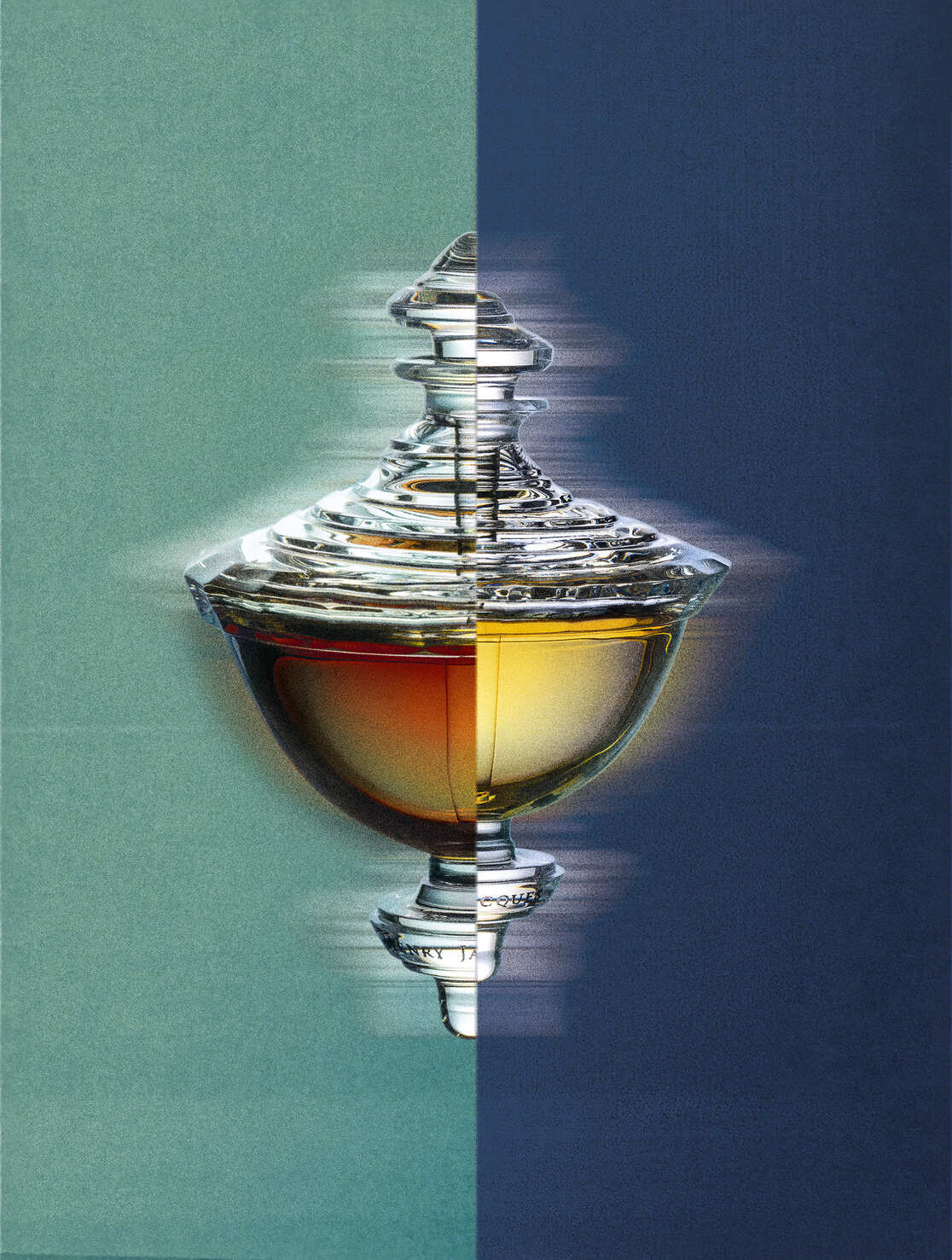
    The inspiration begins with something unexpectedly innocent: the spinning top of childhood. Reimagined through the uncompromising lens of rare craftsmanship, that instinctive memory becomes an object of extraordinary sophistication — a crystal masterpiece created to house some of Henry Jacques’ most precious fragrances.

    Where Crystal Becomes Poetry

    The creation of Les Toupies demanded more than beautiful design. Artistic Director Christophe Tollemer challenged Europe’s greatest crystal houses to push the boundaries of their savoir-faire, dedicating more than three years to the pursuit of perfect balance.

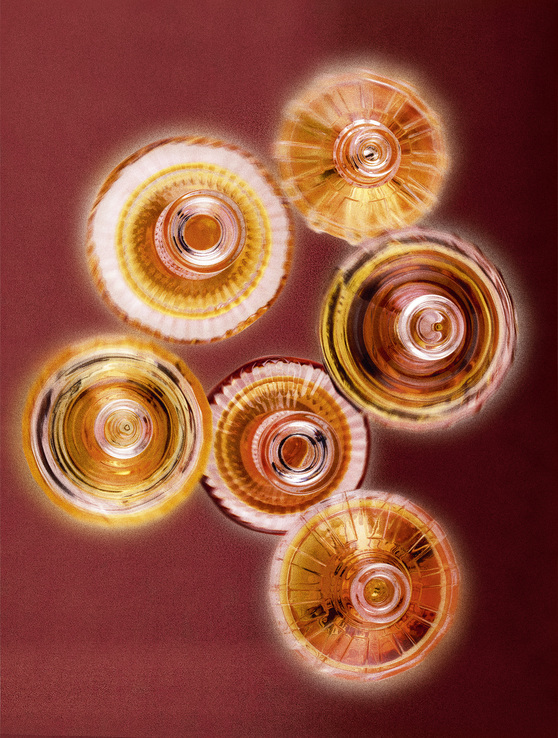
    Mouth-blown and entirely handcrafted, each flacon is formed through an intricate architecture of planes and angles. Multifaceted like a gemstone and perfectly symmetrical, yet without a central axis, the crystal seems almost impossible: sculptural, dynamic and unexpectedly playful, while remaining stable enough to protect the precious fragrance within.

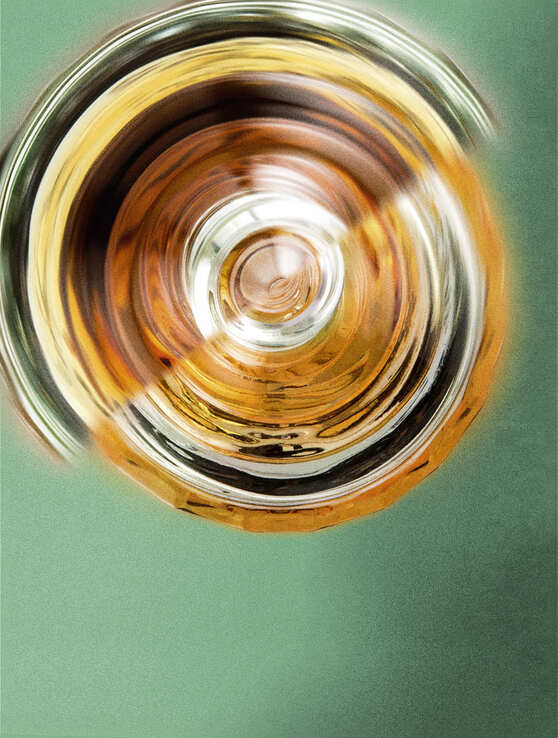
    As light moves across its facets, the flacon appears to come alive — endlessly turning, reflecting and transforming. Shadow meets light. Precision meets spontaneity. Mastery meets play.

    The result is not simply a perfume bottle.

    It is an olfactive sculpture.

    Three Duos. Six Personalities. One Conversation.

    At the heart of Les Toupies lies a provocative idea: fragrance can communicate.

    Each duo is created to be experienced individually, yet reveals another dimension when encountered alongside its partner — much like two personalities whose differences ultimately create a deeper harmony.

    The first pairing, Mr. H and Mrs. Y, carries an especially intimate significance. Named as a tribute to Henry Cremona and his wife Yvette, the founders of the House, the duo embodies the beauty of two complementary forces.

    Mr. H begins with the crisp character of cedar leaf and geranium before revealing sandalwood, tobacco and amber. Mrs. Y answers with luminous ylang-ylang, rose damascena and jasmine, softened by iris and lily of the valley. Tonka bean becomes their subtle common thread.

    One defines.

    The other illuminates.

    Together, they create an effortless sense of timeless grace.

    Then comes Fanfan and Galileo, a pairing defined not by opposition, but by rhythm.

    Galileo opens with textured patchouli, lavender and Italian mandarin before descending into the richer sensuality of tobacco, myrrh and amber. Fanfan responds with saffron and rose damascena, carrying Galileo’s warmth into a softer, more diffused expression, while lavender creates an unexpected connection between them.

    Their relationship is less about balance than movement — an olfactive pulse in which depth meets softness and exuberance meets resonance.

    The final duo, N°16 and N°81, takes a decidedly modern approach.

    Here, harmony is not given.

    It is created through tension.

    N°81 strikes with the luminous sharpness of bergamot and grapefruit before revealing smoke, wood and spice. N°16 answers with the restrained radiance of Rose de Mai, gradually settling into a soft, honeyed warmth.

    One draws the line.

    The other dissolves it.

    Together, they demonstrate that contrast itself can become a form of beauty.

    The Art of Owning the Extraordinary

    What makes Les Toupies particularly compelling is the Maison’s refusal to separate the fragrance from its vessel.

    Each flacon has been crafted exclusively for the fragrance it holds, creating a relationship between scent and sculpture that feels almost inseparable. Only a few hundred limited-edition pairs are offered, reinforcing the sense that these are not conventional perfume purchases, but collectible pieces of contemporary Haute Parfumerie.

    And yet, Henry Jacques does not ask its collectors to simply admire Les Toupies from a distance.

    They are designed to become part of life.

    Owners can experience their collection across different expressions, from Les Solides with Clic-Clac to Les Essences or Les Brumes with HJ Voyage — allowing the olfactive wardrobe to travel beyond the display shelf and into everyday rituals.

    A New Chapter in the Middle East

    For the region’s discerning collectors, the return of Les Toupies feels particularly significant.

    Available at Henry Jacques boutiques in Dubai, Abu Dhabi and Doha, the collection arrives at a moment when the Middle East continues to embrace a new definition of luxury — one increasingly shaped by craftsmanship, exclusivity, artistic expression and the stories behind an object.

    Les Toupies speaks directly to that sensibility.

    It is rare without being ostentatious.
    Precious without being static.
    Playful without ever losing its sophistication.

    Perhaps that is the true magic of Les Toupies: it takes something as familiar as a childhood spinning top and transforms it into an object worthy of a Haute Parfumerie maison — proving that the most extraordinary forms of luxury can begin with the simplest memories.

    Three pairs. Six fragrances. Endless reflections.

    And in every turn of the crystal, Henry Jacques reminds us that true luxury is not about standing still.

    It is about movement.

  • BUGABOO x STELLA McCartney MOTHERHOOD, REIMAGINED

    BUGABOO x STELLA McCartney MOTHERHOOD, REIMAGINED

    A new generation of parents is rewriting the rules of luxury — and this time, the stroller is part of the statement.

    There is a particular moment when life changes forever.

    The first journey home. The first walk through the city. The first time you realise that your world has expanded — without your sense of self having to disappear with it.

    For 2026, Bugaboo and Stella McCartney are placing that idea at the centre of a new limited-edition collaboration, bringing together technical innovation, conscious design and the unmistakable attitude of modern luxury.

    The result is a collection that does not simply accompany parenthood.

    It reimagines how parenthood looks.

    THE ART OF MOVEMENT

    For more than 25 years, Bugaboo has challenged the conventional idea of family mobility through Dutch engineering, durability and thoughtful design.

    Stella McCartney, meanwhile, has spent decades questioning conventional ideas of luxury — proving that desirability and responsibility can exist within the same object.

    Their collaboration feels almost inevitable.

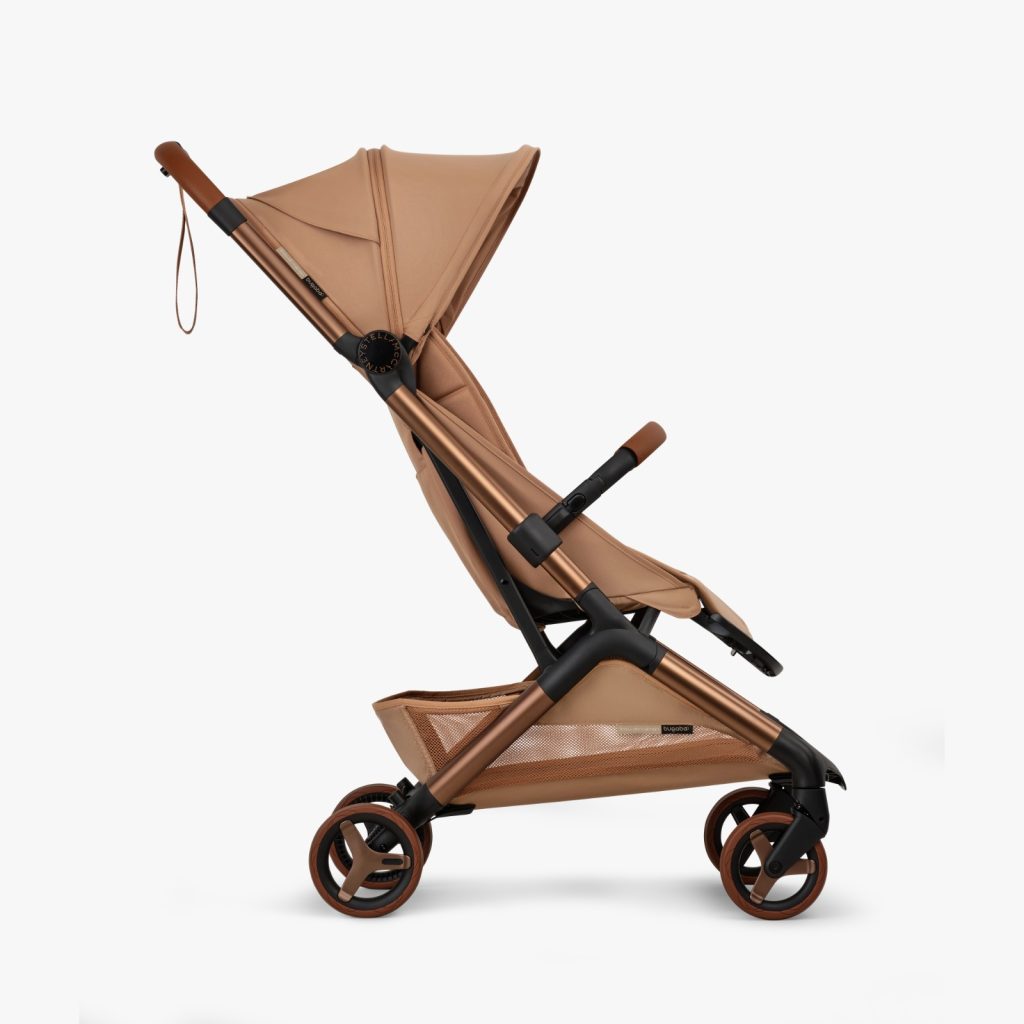
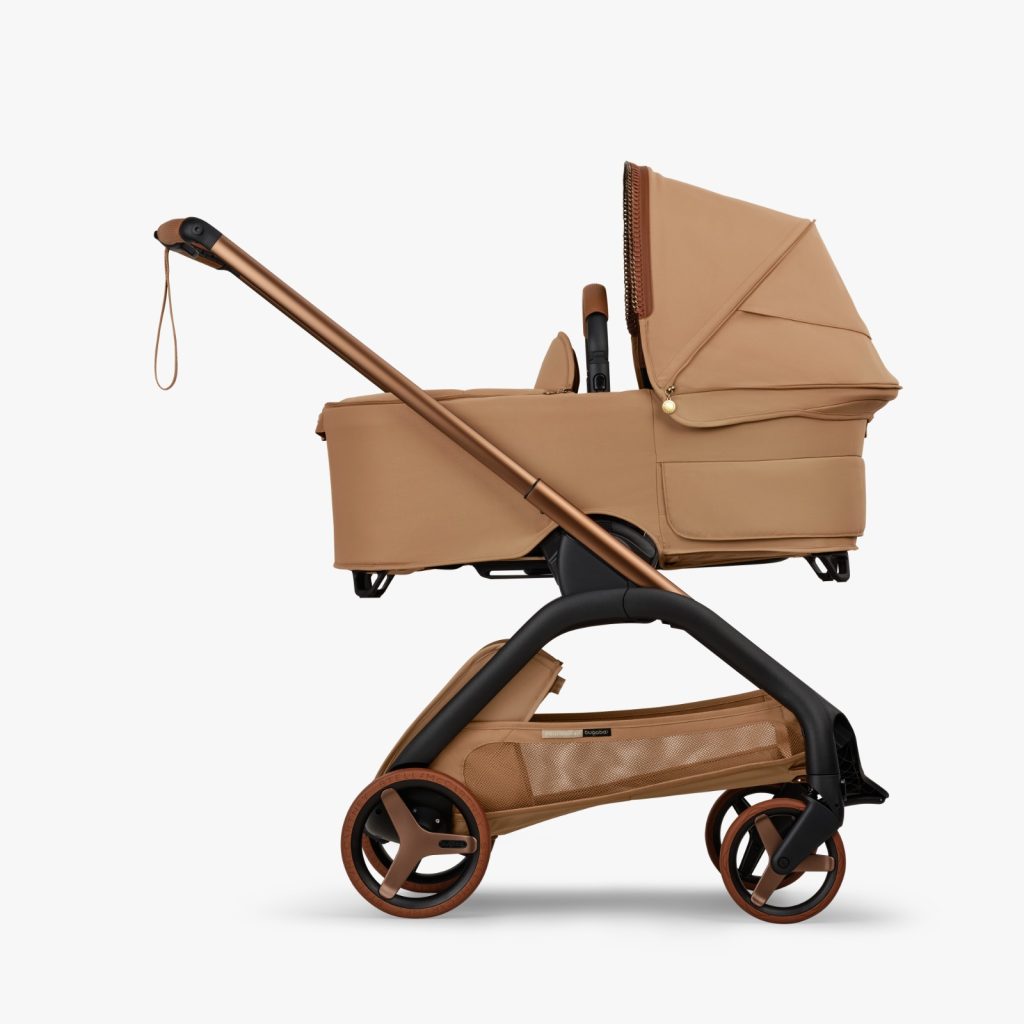
    Three of Bugaboo’s celebrated silhouettes — Butterfly 2, Fox 5 Renew and Dragonfly Plus — are reinterpreted through Stella McCartney’s design vocabulary, accompanied by a new accessories range including a tote bag featuring the brand’s signature monogram.

    The aesthetic is deliberately sophisticated.

    Tobacco Brown creates the foundation, contrasted with Saddle Brown vegan-leather alternatives, while vintage gold medallions, the Stella McCartney logo and the collection’s signature chain detailing introduce a distinctly fashion-led finish.

    But the most intriguing detail has a story of its own.

    FROM FALABELLA TO THE STREET

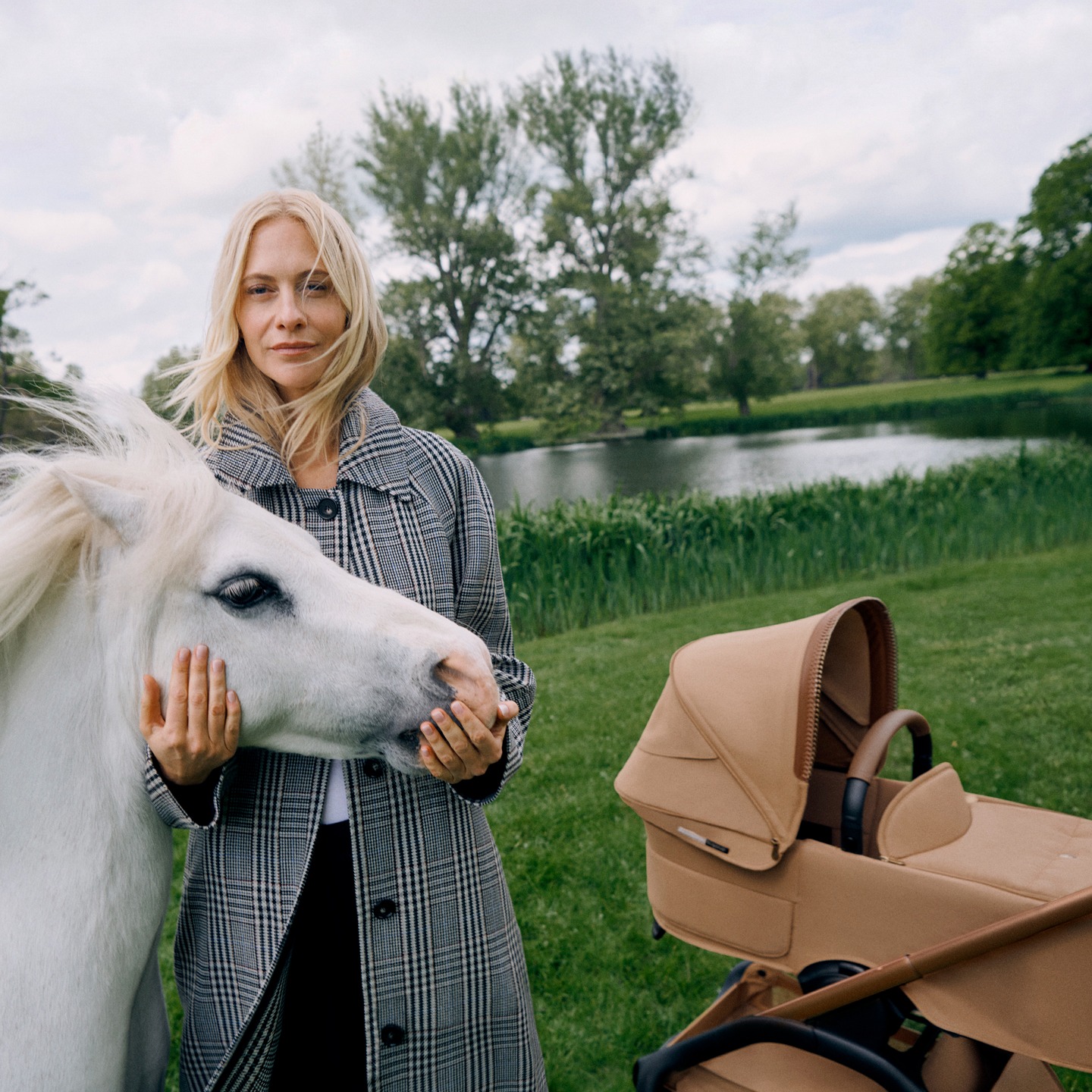
    The collection takes inspiration from the iconic Falabella — Stella McCartney’s signature bag named after her childhood pony.

    Its recognisable diamond-cut chain, inspired by a horse bit, has become synonymous with the house’s interpretation of cruelty-free luxury.

    For Bugaboo x Stella McCartney, that distinctive language is translated onto the stroller canopy.

    A fashion signature becomes a functional detail.

    A familiar symbol enters an entirely new world.

    And suddenly, the stroller is no longer simply part of the journey.

    It becomes part of the look.

    BEAUTY WITH PURPOSE

    Yet beneath the polished exterior lies something far more considered.

    The collection reflects a shared commitment to making design choices with a longer future in mind.

    Fabrics are made from recycled polyester derived from plastic bottles, while water-free dye technology helps reduce reliance on virgin resources and minimise waste. Hardware incorporates bio-based materials and recycled aluminium.

    For Bugaboo, longevity is fundamental to its design philosophy. Its products are modular, allowing parts to be repaired and replaced, while products can be resold and used again across different families and journeys.

    The brand became a B Corp™ in 2023, reflecting its belief that responsibility should be integrated into design from the beginning — not added at the end.

    Stella McCartney brings the same conviction from the world of fashion.

    Since launching her namesake house in 2001, the designer has built a luxury identity around conscious choices, alternative materials and a refusal to use leather, fur, feathers or skins.

    Today, the house continues to explore circularity, regenerative agriculture and new approaches to extending the life of products.

    THE WOMAN BEHIND THE MOTHER

    The campaign makes the philosophy intimate.

    Poppy Delevingne, model, entrepreneur and first-time mother, becomes the face of the collection — surrounded by natural landscapes and captured in moments of pause, freedom and playfulness.

    There is something deliberately refreshing about the imagery.

    Motherhood is not presented as the end of individuality.

    It is presented as another dimension of it.

    The message is simple but powerful: becoming a mother does not mean becoming less of yourself.

    As Stella McCartney describes it, the collection is for mums who want to carry their individuality and playfulness into parenthood.

    And that may be the most luxurious idea of all.

    A NEW KIND OF STATUS

    Luxury has changed.

    The most desirable pieces today are not necessarily the loudest. They are the ones that tell a story — about craftsmanship, intention, identity and the choices behind the object.
    That is where Bugaboo x Stella McCartney finds its relevance.

    For the modern GCC parent, where fashion, design and lifestyle naturally intersect, the stroller becomes something more than a practical necessity.

    It becomes a reflection of taste.

    A detail in the family portrait.

    A piece of design moving through the city.

    A statement that says function does not have to come at the expense of beauty — and conscious choices do not have to come at the expense of desire.

    THE FUTURE OF PARENTING IS PERSONAL

    Available from 25 September 2026, the limited-edition Bugaboo x Stella McCartney collection will launch through Bugaboo Arabia, selected retail stores across the GCC and other e-commerce platforms.

    It arrives not simply as another designer collaboration, but as a reflection of where luxury is heading.

    Toward products that perform.

    Toward design that lasts.

    Toward responsibility that feels effortless.

    And toward a generation of parents who refuse to leave their identity at the door of parenthood.

    Because motherhood can change your world without changing who you are.

    And sometimes, the most beautiful way forward is the one that lets you carry both.

  • “THE DOLDER GRAND A Summer Beyond the City”

    “THE DOLDER GRAND A Summer Beyond the City”

    There is a particular lightness to summer in Switzerland. Days stretch longer, the landscape seems to invite exploration, and time outdoors becomes less an activity than a way of life.

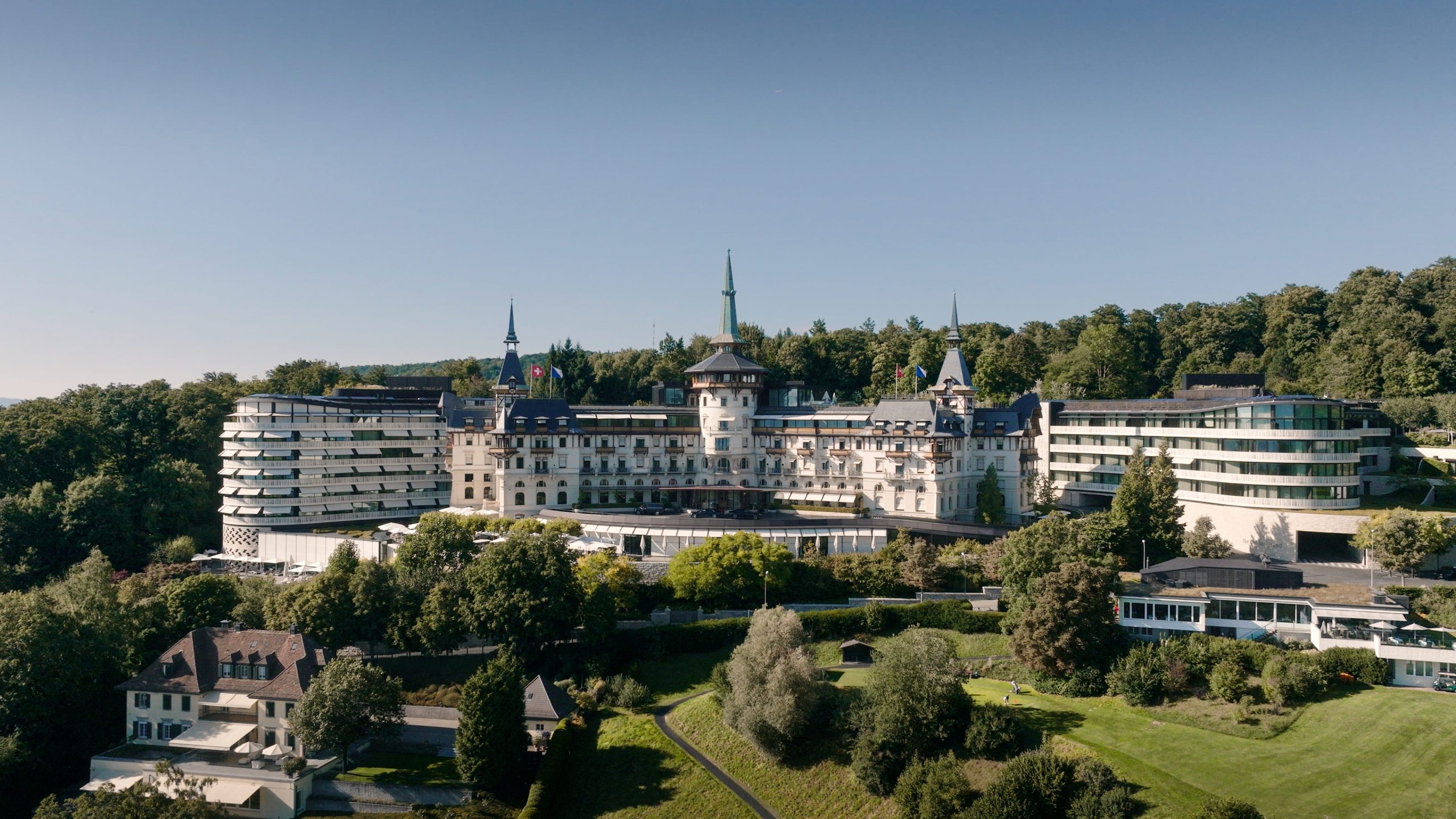
    Just minutes from the energy of Zurich, yet secluded among rolling hills and woodland, The Dolder Grand offers an exceptional setting from which to experience the season. Here, outdoor living takes many forms—from leisurely breakfasts overlooking the city to forest walks, lakeside adventures and moments of quiet wellness beneath the trees.

    DINING WITH A VIEW

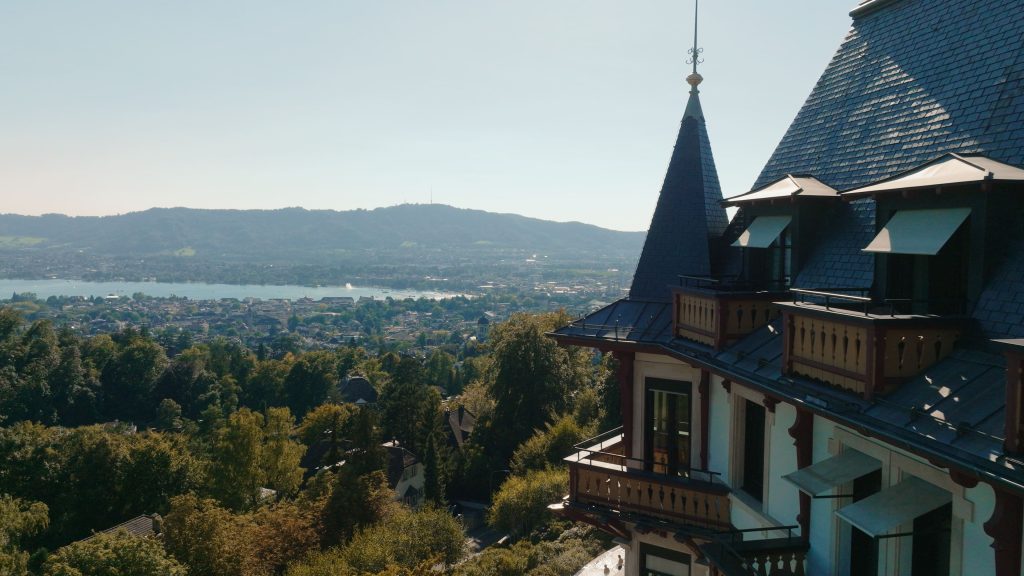
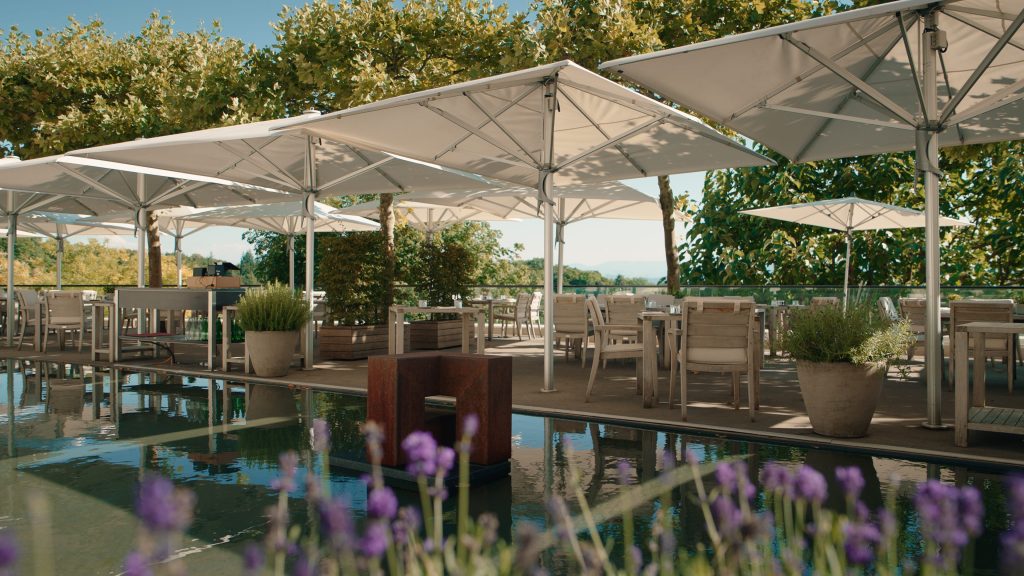
    Summer dining moves outdoors at The Dolder Grand, where the hotel’s elevated position provides sweeping views across Zurich, Lake Zurich and the Alps.

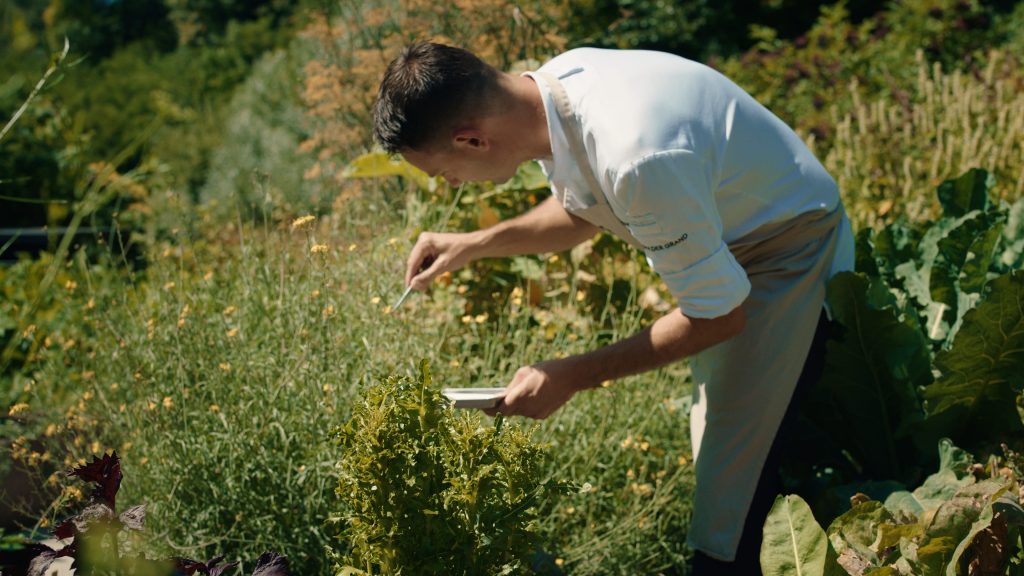
    On the grand Saltz terrace, breakfast and brunch become leisurely affairs, while the Spa Terrace offers a relaxed setting for healthy bites beside the pool. At blooms, the experience becomes distinctly garden-to-table: the vegetarian and vegan restaurant sits on the edge of the forest, surrounded by vegetable patches, herbs and fruit bushes.Helmed by two-Michelin-starred Culinary Director and Chef Fine Dining Heiko Nieder, blooms has established itself as one of Zurich’s celebrated plant-forward destinations.

    INTO THE LANDSCAPE

    Beyond the hotel, Switzerland’s great outdoors unfolds almost immediately. Scenic trails surrounding the property provide opportunities for hiking and running, while complimentary e-bikes make exploring the landscape effortless.For guests looking to combine movement with style, the hotel’s partnership with Lacoste continues this summer. One of the Dolder Grand’s five tennis courts has been transformed into the elegant Le Club Lacoste Zurich, bringing together sport, design and the surrounding natural environment.

    There is also a nine-hole golf course and mini golf on the grounds, ensuring that an active afternoon is never far away.

    WELLNESS, AL FRESCO

    At The Dolder Grand, wellness extends beyond the walls of the Spa.

    Guests can unwind beside the outdoor pool, join guided yoga and meditation sessions, or experience the restorative simplicity of forest bathing just steps from the hotel.

    The setting itself becomes part of the wellness experience: woodland, fresh air and open skies offering a natural counterpoint to the pace of city life.

    THE LAKE, THE MOUNTAINS AND BEYOND

    For those wishing to venture farther afield, the hotel’s Les Clefs d’Or Concierge team can arrange excursions into the mountains or visits to Rhine Falls, Europe’s largest waterfall, approximately an hour away.

    Closer to home, Lake Zurich provides a playground for summer adventures. Visitors can swim at one of the city’s lakeside lidos or take to the water for stand-up paddling, sailing, wakeboarding and rowing. For a slower perspective, tranquil boat cruises offer the chance to absorb the scenery at an unhurried pace.

    A ROOM WITH A LANDSCAPE

    Back at The Dolder Grand, the connection with nature continues indoors.

    Every room and suite has been designed to maximise its relationship with the surrounding landscape. The 390-square-metre Terrazza Suite, for example, features floor-to-ceiling windows opening onto a sunny, south-facing terrace with magnificent views across Zurich, the lake and surrounding woodland.

    Designed particularly with longer stays and privacy in mind, the suite has its own exterior entrance as well as an internal hotel entrance. Arranged across two floors, it includes a master bedroom, the possibility of up to three connecting rooms, a spacious living and dining area, a fully equipped kitchen and an office.

    THE ART OF SUMMER LIVING

    From a breakfast beneath the summer sky to a morning on the forest trails, an afternoon beside the lake or an evening overlooking the Alps, The Dolder Grand presents outdoor living as a seamless extension of its hospitality.

    It is a place where the vibrancy of Zurich and the tranquillity of the Swiss landscape coexist—offering guests the freedom to explore, retreat and reconnect, always with the comfort, personalised service and understated elegance of one of Switzerland’s most distinctive city resorts.

  • When Jewellery Becomes Art: How Boghossian Is Redefining the Future of Haute Joaillerie

    When Jewellery Becomes Art: How Boghossian Is Redefining the Future of Haute Joaillerie

    Innovation in high jewellery is no longer defined by rarity alone. Through its revolutionary Triple Inlay technique, Boghossian demonstrates how craftsmanship, engineering, and artistic vision can transform precious gemstones into architectural masterpieces.

    There is a moment in every era of jewellery design when craftsmanship moves beyond tradition and enters the realm of innovation. Throughout history, the world’s greatest maisons have not simply created beautiful jewels—they have changed the way jewellery is imagined, engineered, and appreciated.

    In the world of haute joaillerie, where centuries-old techniques continue to shape contemporary creations, genuine innovation is exceptionally rare. It requires more than extraordinary gemstones; it demands the courage to rethink how those gemstones interact with light, colour, structure, and one another.

    This philosophy has long defined Boghossian, the Geneva-based Maison celebrated for challenging conventional jewellery design through technical excellence and artistic imagination.

    With the introduction of its new Triple Inlay technique, Boghossian once again demonstrates that the future of high jewellery lies not in following tradition, but in elevating it.

    A Legacy Built on Innovation

    For generations, Boghossian has developed a distinctive design language that celebrates the natural beauty of gemstones while continuously exploring new methods of craftsmanship.

    Its signature Inlay technique transformed the traditional relationship between gemstones by allowing different precious stones to merge seamlessly into a single composition, creating remarkable visual harmony while preserving the individual identity of each gem.

    The newly unveiled Triple Inlay represents the next evolution of that philosophy.

    Instead of pairing two gemstones, the Maison has successfully engineered a composition that unites three precious stones into one fluid architectural form, creating an extraordinary illusion of continuity without compromising the brilliance, transparency, or colour of each individual gem.

    The result is jewellery that appears effortless, despite the extraordinary level of precision required to create it.

    Engineering Invisible Beauty

    What distinguishes exceptional jewellery is often what the eye cannot immediately perceive.

    Behind every Triple Inlay creation lies months of research, advanced three-dimensional engineering, meticulous gemstone selection, and countless hours of hand craftsmanship.

    Each stone is individually sculpted to microscopic precision before master artisans assemble the composition with almost invisible transitions between gemstones. Every angle is calculated to maximise light reflection while preserving the purity of colour and structural balance.

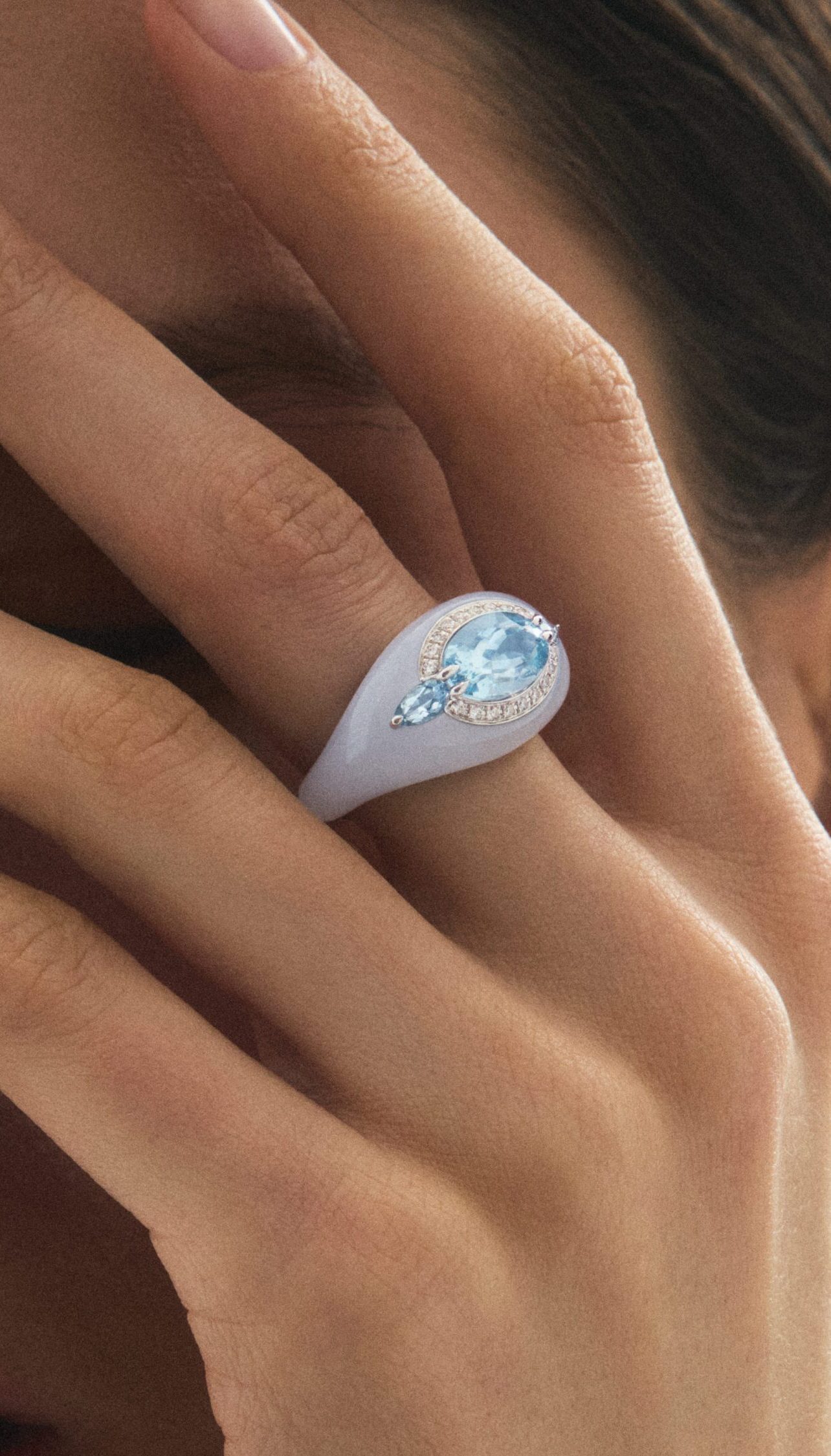
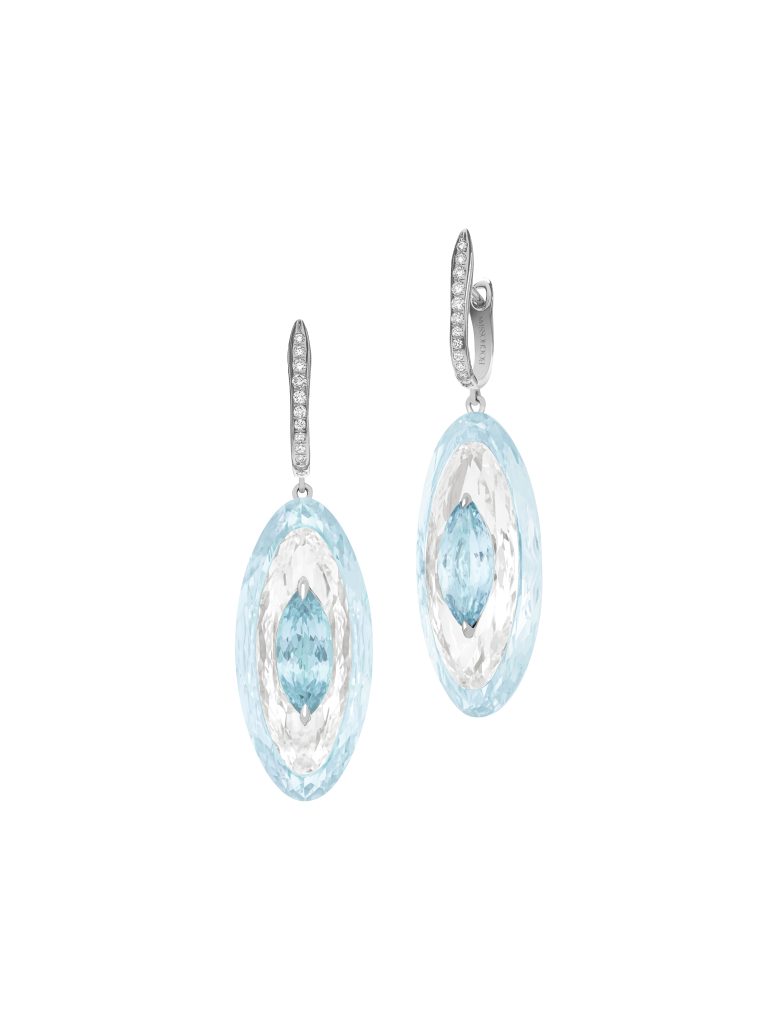
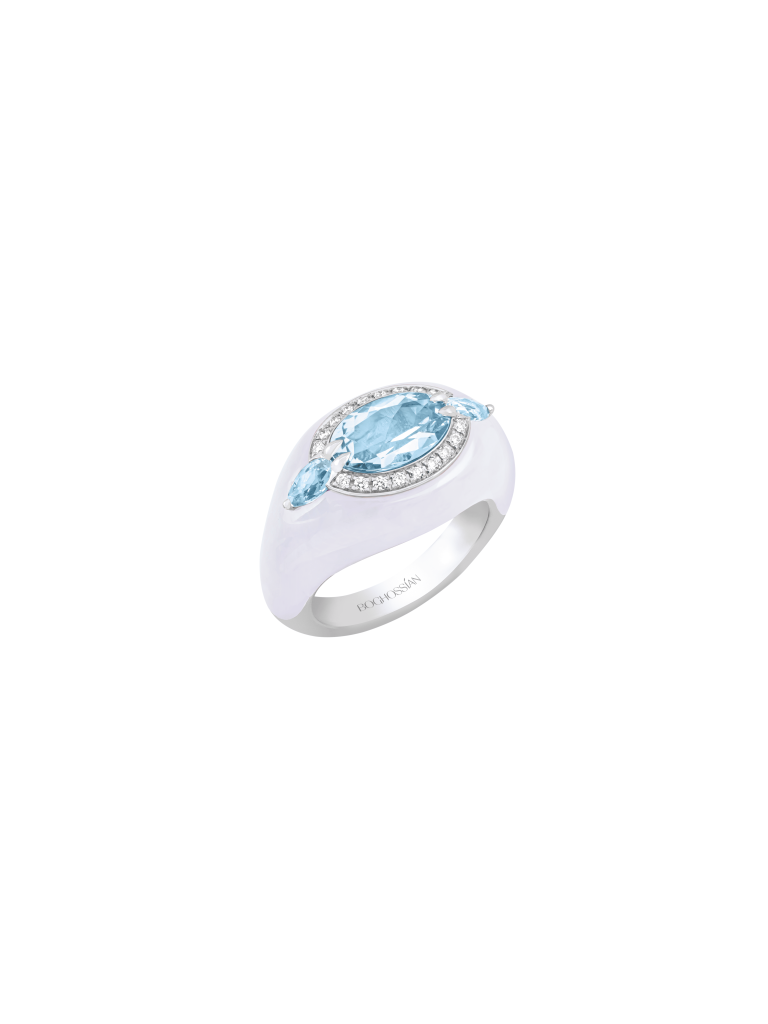
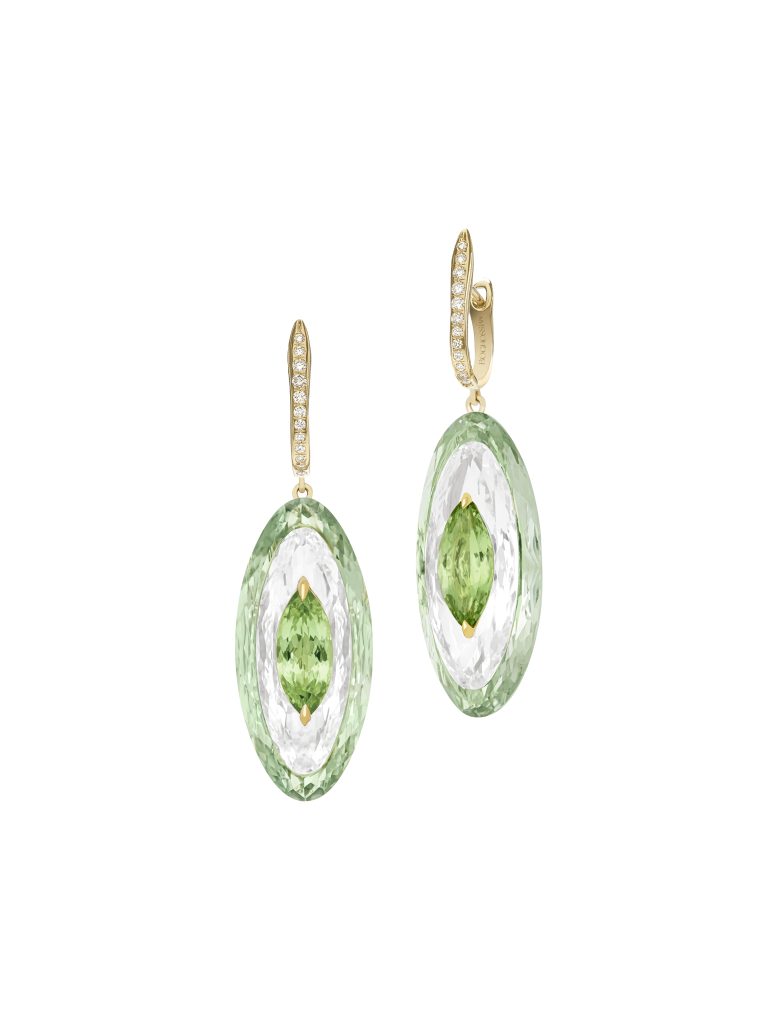
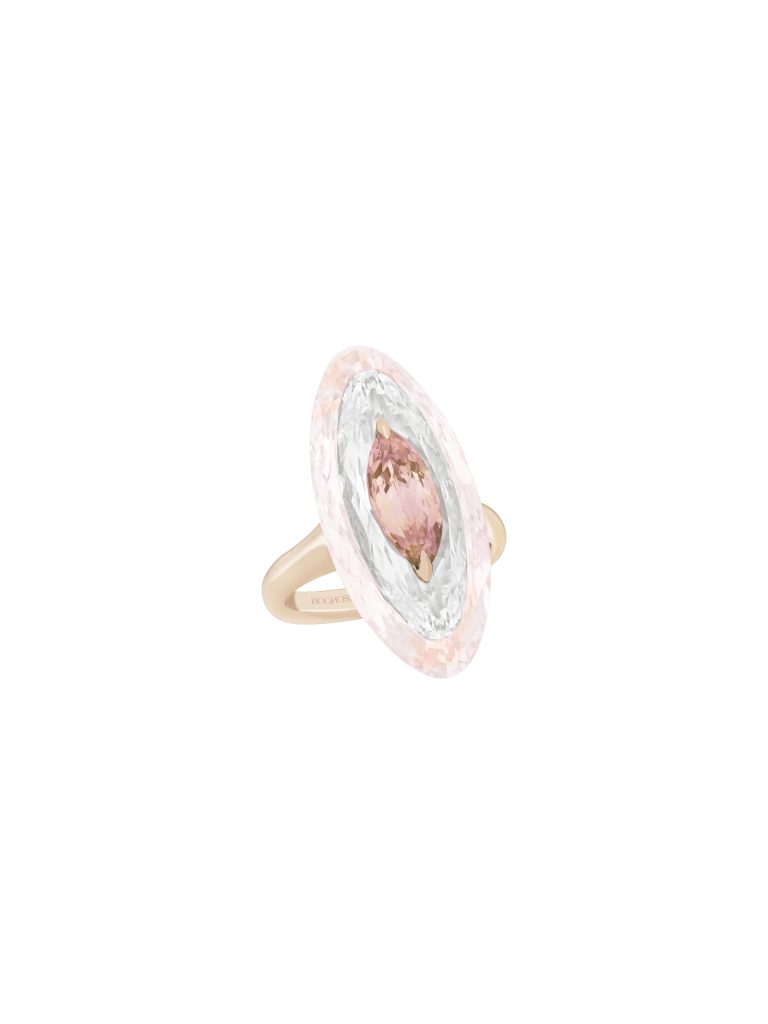
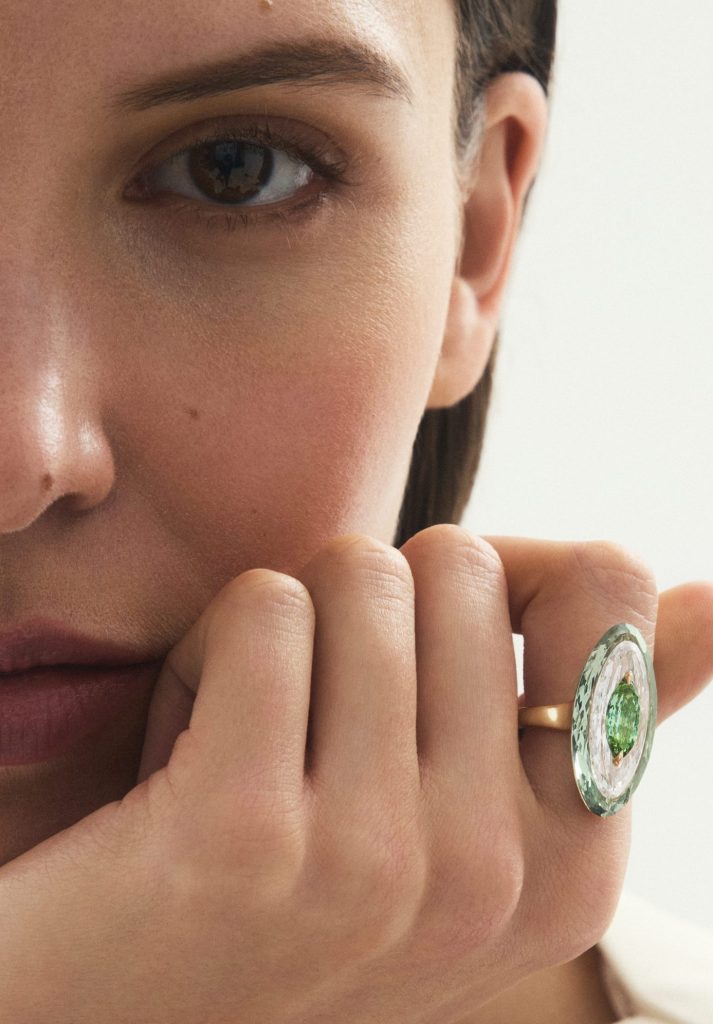
    Even the Maison’s signature “Moval” centre stone—an elegant silhouette inspired by both marquise and oval cuts—is secured using an almost imperceptible setting, allowing the gemstones themselves to become the true protagonists of the design.

    It is a level of technical mastery that transforms jewellery into wearable architecture.

    Colour as a Creative Language

    Perhaps the most captivating aspect of Triple Inlay is the way colour becomes part of the design narrative.

    Rather than simply placing gemstones side by side, Boghossian creates subtle visual dialogues between carefully selected minerals.

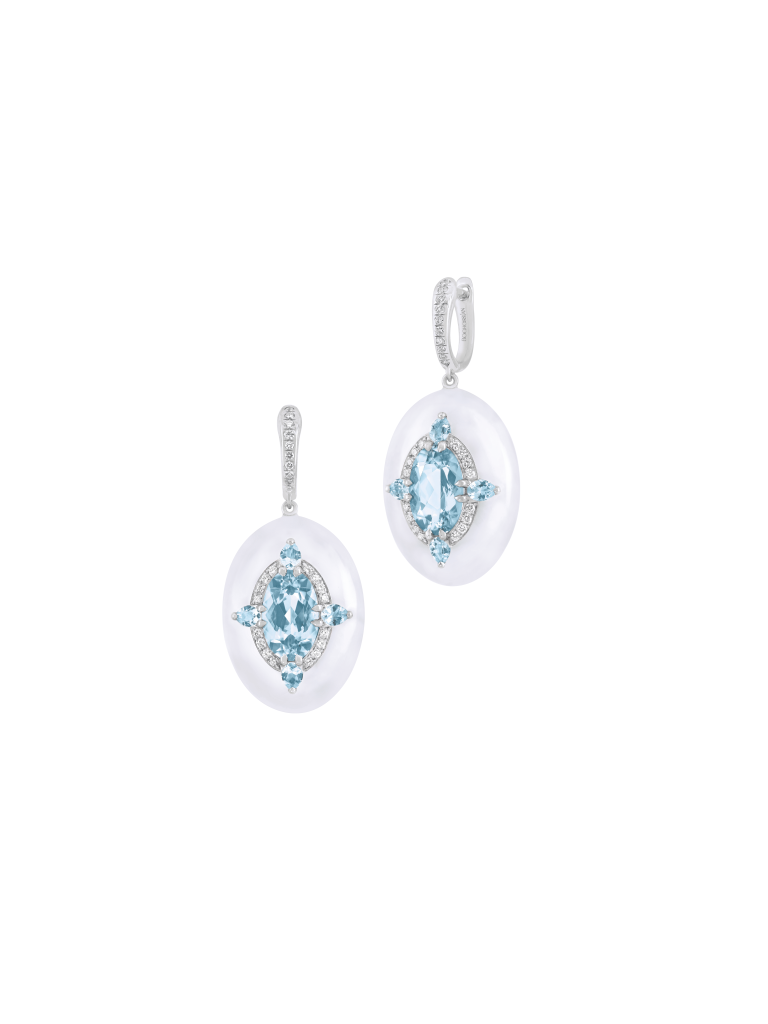
    Soft aquamarines merge with luminous blue chalcedony. Morganite finds harmony alongside rose quartz, while green tourmaline blends effortlessly with prasiolite beneath layers of transparent rock crystal.

    These combinations create fluid transitions of light and colour that resemble paintings rather than traditional gemstone settings.

    The jewellery feels alive—constantly changing as it catches natural light from different angles.

    Beyond Ornament

    Luxury jewellery has increasingly become an expression of artistry rather than ornamentation alone.

    Collectors today are drawn not only to exceptional gemstones, but to the stories, techniques, and craftsmanship behind each creation.

    Triple Inlay reflects this evolution perfectly.

    Each jewel embodies hundreds of hours of technical expertise, design innovation, and artistic vision, making every piece as significant for its engineering as for its aesthetic beauty.

    It represents the growing movement within haute joaillerie where innovation itself becomes a form of luxury.

    Shaping the Future of Haute Joaillerie

    In an industry where heritage remains deeply respected, innovation often arrives quietly.

    Rather than pursuing extravagance, Boghossian continues to refine the art of jewellery-making through precision, subtlety, and craftsmanship.

    The introduction of Triple Inlay is more than the unveiling of a new technique—it is a statement about the future of high jewellery.

    It reminds us that the world’s finest creations are not defined solely by the rarity of their gemstones, but by the imagination capable of transforming those gemstones into works of enduring art.

    As contemporary collectors increasingly seek originality alongside craftsmanship, Boghossian once again positions itself at the forefront of modern haute joaillerie, proving that true innovation remains one of luxury’s rarest and most valuable treasures.

  • Parmigiani Fleurier Introduces the TONDA PF Sport Chronograph Ultra-Cermet Mineral Blue

    Parmigiani Fleurier Introduces the TONDA PF Sport Chronograph Ultra-Cermet Mineral Blue

    A New Chapter in Luxury Watchmaking Through Material Innovation

    In the world of haute horlogerie, true innovation is rarely about following trends—it is about redefining the future while respecting centuries of craftsmanship. Swiss luxury watchmaker Parmigiani Fleurier has embraced this philosophy with the unveiling of the TONDA PF Sport Chronograph Ultra-Cermet Mineral Blue, a timepiece that introduces a new approach to contemporary luxury by placing advanced materials at the heart of watchmaking.

    Rather than treating innovation as an aesthetic statement, Parmigiani Fleurier presents Ultra-Cermet as a fundamental part of the watch’s identity. According to the Maison, the material is not simply applied as a coating or surface treatment; it forms the very structure of the watch, creating a seamless integration between engineering and design.

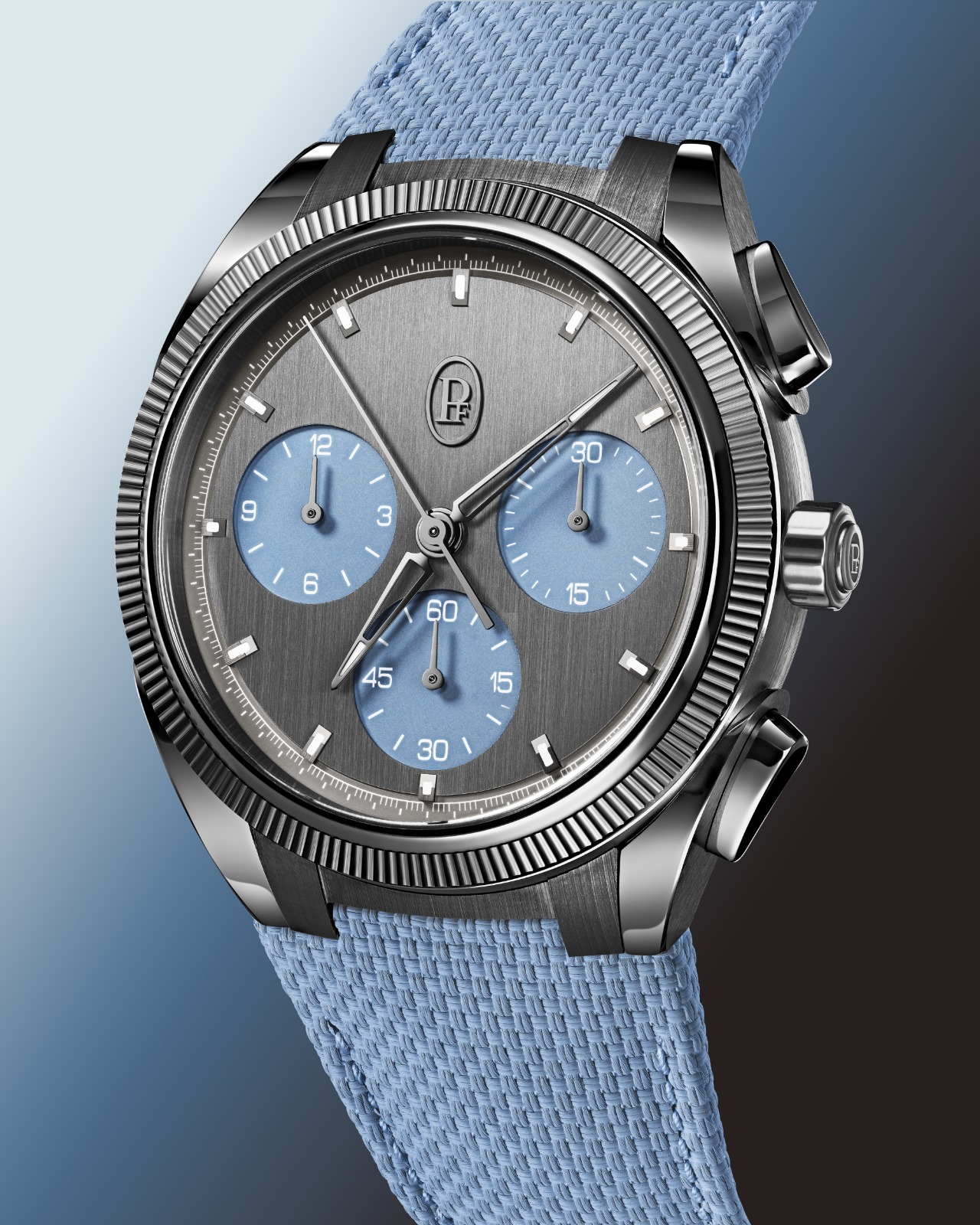
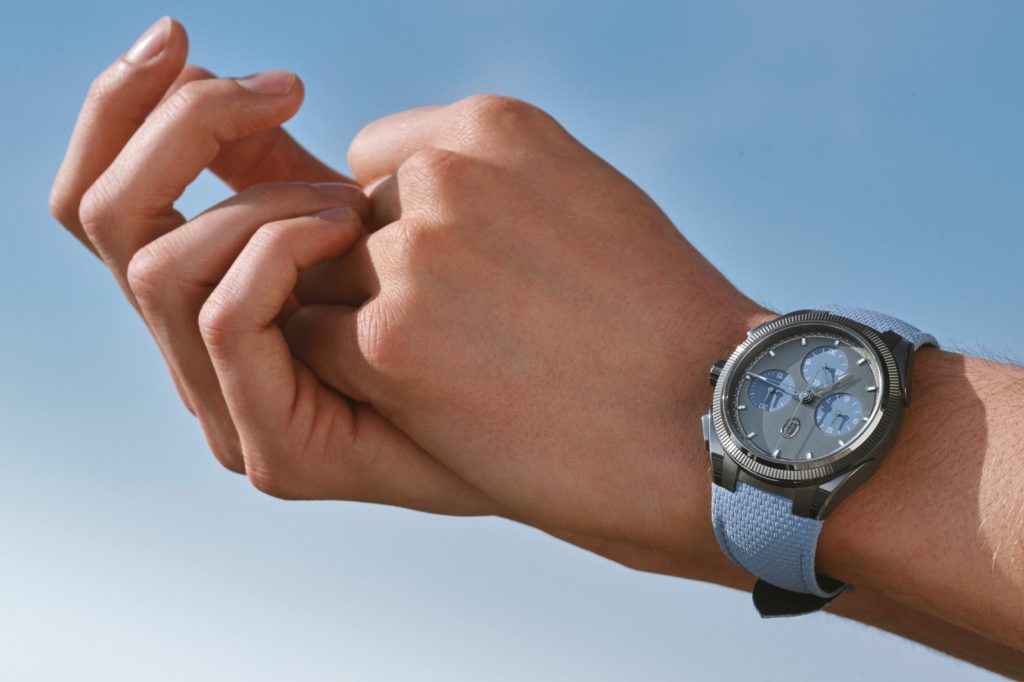
    The development of Ultra-Cermet represents more than three years of dedicated research. Combining advanced ceramic with titanium, the material delivers exceptional hardness, remarkable scratch resistance, and distinctive light-reflecting properties. Depending on ambient lighting, the case reveals subtle shifts between anthracite, deep black, and elegant blue reflections, giving the watch a constantly evolving visual character.

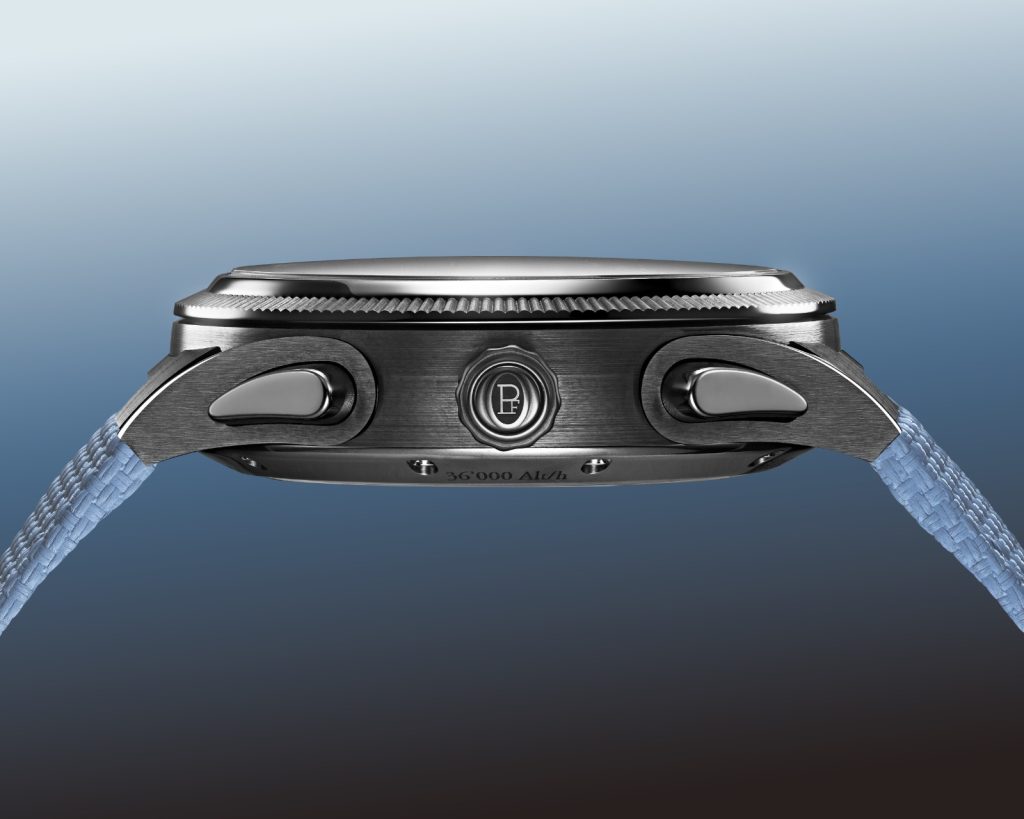
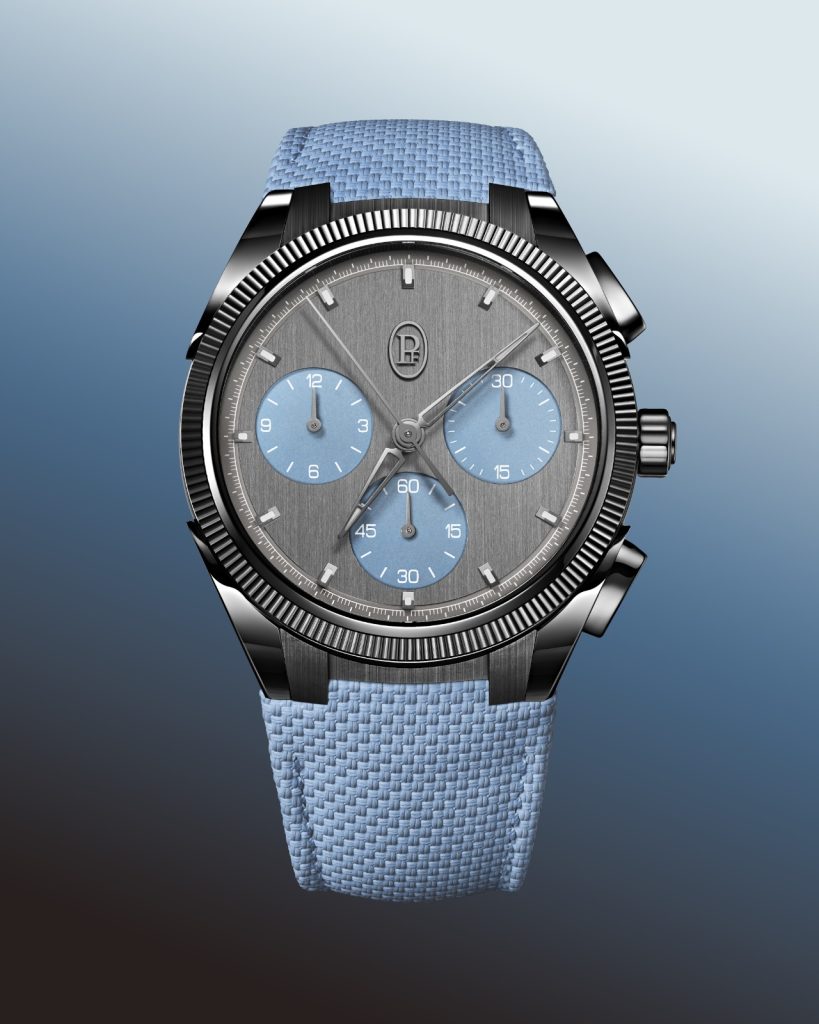
    The watchmaker describes the new Mineral Blue edition as the first timepiece in its collection to be crafted entirely from Ultra-Cermet. The 42.5 mm case, fluted bezel, crown, chronograph pushers, and even the pin buckle are all manufactured using the same advanced material, creating a unified architectural design language that balances strength with understated elegance.

    Complementing the monochromatic case is a sophisticated Mineral Blue dial that combines Blackor and blue tones to create exceptional visual depth. Satin finishing, hand-applied 18-carat gold indexes, and carefully proportioned chronograph displays reinforce Parmigiani Fleurier’s signature philosophy of quiet luxury, where refinement is expressed through precision rather than excess.

    At the heart of the timepiece lies the COSC-certified PF070 manufacture calibre, operating at a high frequency of 36,000 vibrations per hour (5 Hz). The movement offers a 65-hour power reserve while maintaining an impressive thickness of just 6.95 mm. Visible through the sapphire case back, the movement showcases satin-finished open-worked bridges and a beautifully skeletonised 22-carat rose gold oscillating weight, reflecting the Maison’s dedication to both mechanical excellence and artistic finishing.

    The accompanying Mineral Blue rubber strap has also been conceived as an integral element of the overall design rather than a simple accessory. Engineered for comfort and stability, its subtle texture evokes the refinement of woven textiles while supporting the watch’s contemporary sporting identity.

    Beyond its technical specifications, the TONDA PF Sport Chronograph Ultra-Cermet Mineral Blue represents a broader evolution within luxury watchmaking. Collectors today increasingly seek timepieces that combine traditional Swiss craftsmanship with material science and engineering innovation. Parmigiani Fleurier answers this demand by introducing a watch that is simultaneously sophisticated, technically advanced, and unmistakably modern.

    Designed for individuals whose lifestyles move effortlessly between business, travel, and leisure, the new chronograph embodies controlled performance and timeless elegance. It is a reminder that true luxury is not defined by extravagance, but by meticulous craftsmanship, purposeful innovation, and enduring design.

    With the TONDA PF Sport Chronograph Ultra-Cermet Mineral Blue, Parmigiani Fleurier continues to push the boundaries of independent Swiss watchmaking, demonstrating that the future of fine horology lies in the harmonious fusion of heritage, engineering, and contemporary aesthetics.

  • Spain Reclaims Football’s Greatest Prize: A New World Cup Era Begins

    Spain Reclaims Football’s Greatest Prize: A New World Cup Era Begins

    Spain has once again reached the summit of world football. After a remarkable campaign defined by tactical discipline, technical excellence, and composure under pressure, La Roja defeated Argentina 1–0 after extra time to lift the FIFA World Cup 2026™, securing the nation’s second men’s World Cup title, 16 years after its historic triumph in South Africa.

    The final, played at New York New Jersey Stadium, brought together two footballing giants in a contest that lived up to its global significance. Spain controlled possession for much of the match, patiently dictating the tempo against the defending champions. Despite Argentina’s resilient defending and several crucial saves from goalkeeper Emiliano Martínez, the breakthrough finally arrived in the 106th minute when Ferran Torres finished a well-worked move to score the decisive goal and write his name into football history.

    Spain’s victory was far more than a single successful evening. Throughout the tournament, the team demonstrated consistency, balance, and maturity, blending experienced leaders with an exciting generation of young talent. Guided by head coach Luis de la Fuente, Spain showcased a style of football built on intelligent movement, technical precision, and collective teamwork rather than individual brilliance alone. Their ability to dominate possession while remaining defensively organized became the hallmark of their championship campaign.

    For Argentina, the final marked the end of an extraordinary era. As defending champions, they entered the tournament carrying the expectations of millions and the legacy of one of football’s greatest generations. Although they fell just short of retaining the trophy, their journey to another World Cup final further cemented their place among the sport’s elite. The occasion also represented another memorable chapter in the remarkable international career of Lionel Messi, whose influence on world football extends well beyond trophies and statistics.

    Spain’s triumph also carries historic significance beyond the men’s competition. With the country’s women already reigning as FIFA Women’s World Cup champions, Spain has become the first nation to simultaneously hold both the men’s and women’s world titles—an achievement that reflects the strength of its football development system and long-term investment in talent.

    The 2026 FIFA World Cup itself will be remembered as a landmark edition. Hosted jointly by the United States, Canada, and Mexico, it was the first tournament to feature 48 national teams, introducing a new level of global participation and expanding football’s reach to new audiences around the world. The final also attracted record television audiences in several markets, underlining football’s growing international appeal.

    As celebrations continue across Spain, this victory symbolizes more than another star on the national jersey. It marks the beginning of a new chapter for a team that has successfully blended tradition with innovation, experience with youth, and tactical intelligence with fearless ambition.

    For football supporters around the world, Spain’s 2026 World Cup victory is a reminder that greatness is never permanent—it must be earned again and again. This summer, La Roja proved that the future of football can be built on patience, unity, and unwavering belief, reclaiming its place at the very top of the global game.

  • Primark in Dubai: How the Global Fashion Phenomenon Found Its Place in the UAE

    Primark in Dubai: How the Global Fashion Phenomenon Found Its Place in the UAE

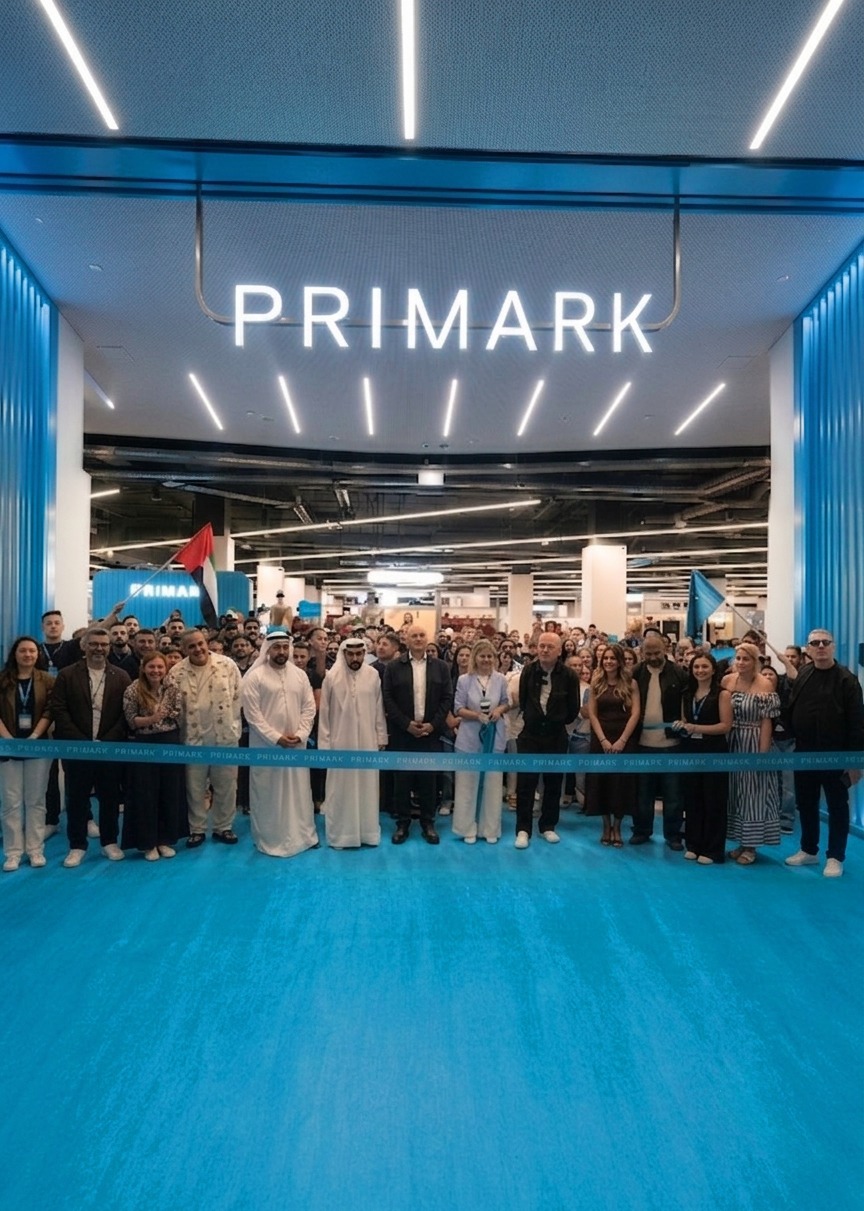
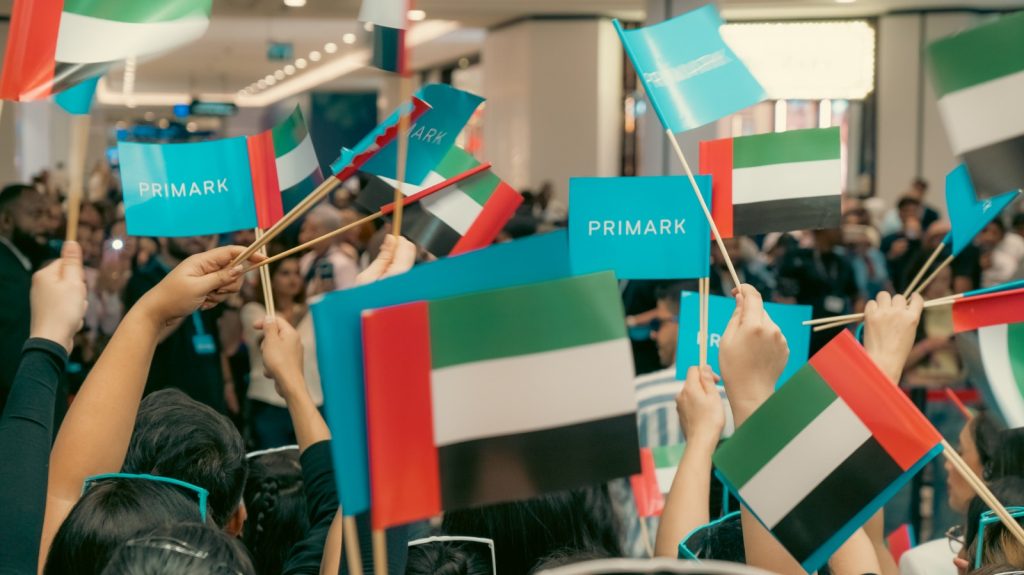
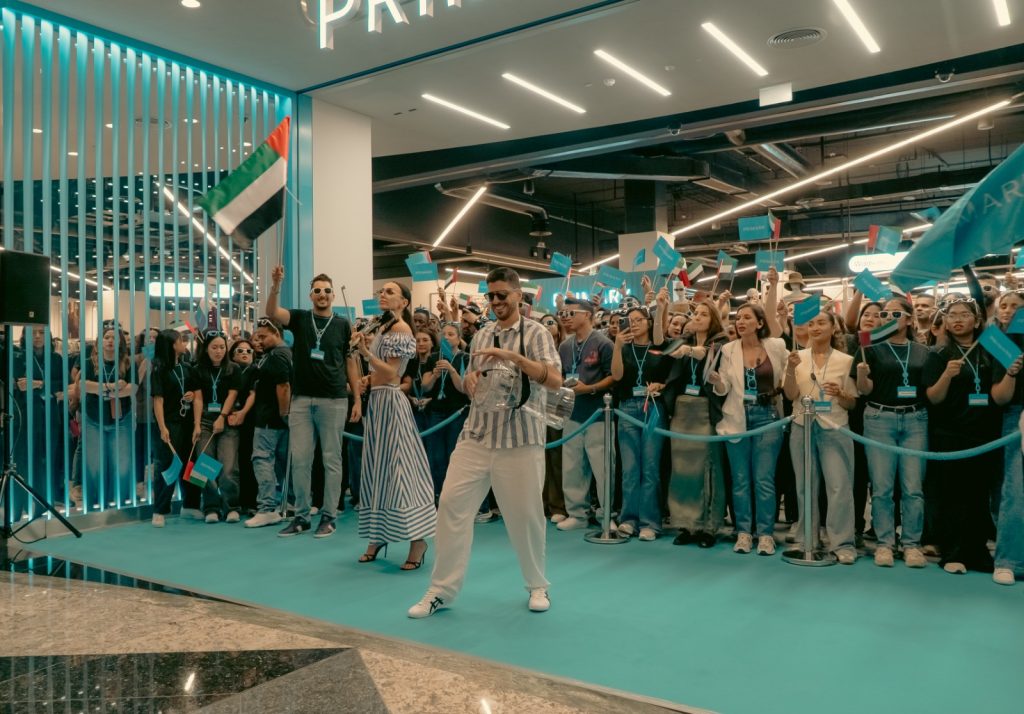
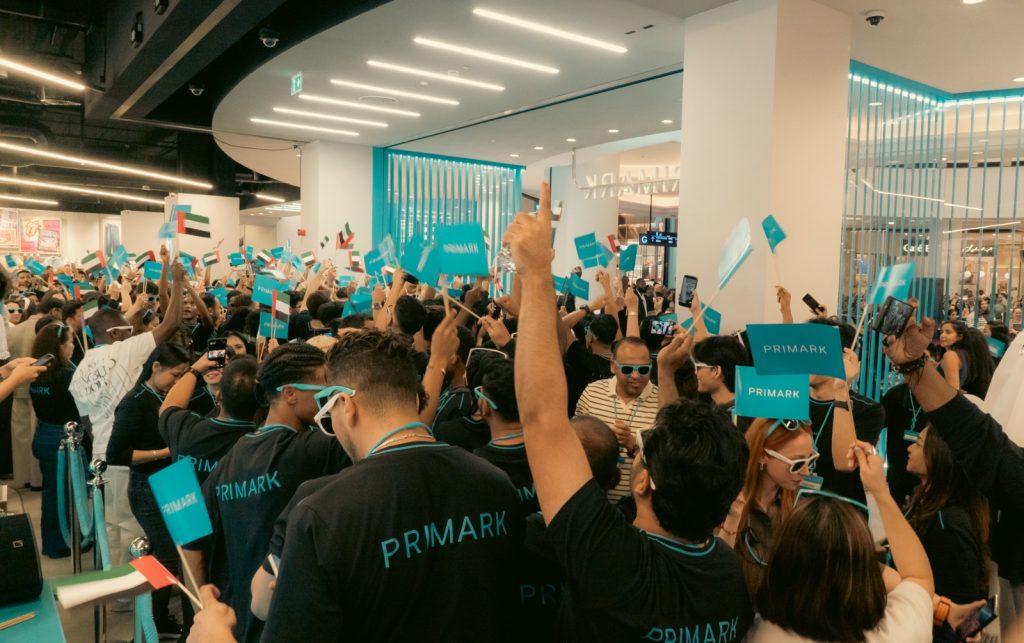
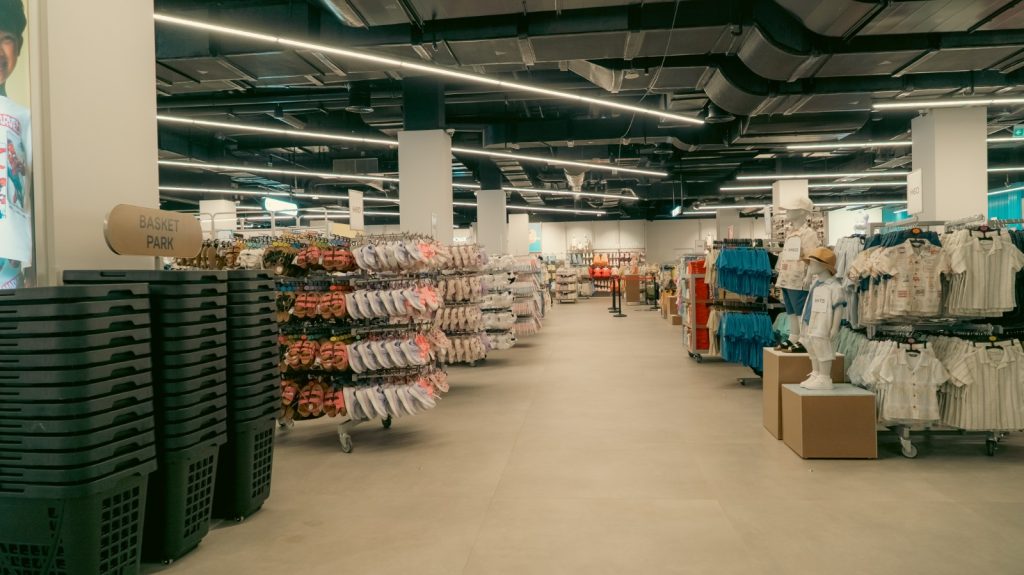
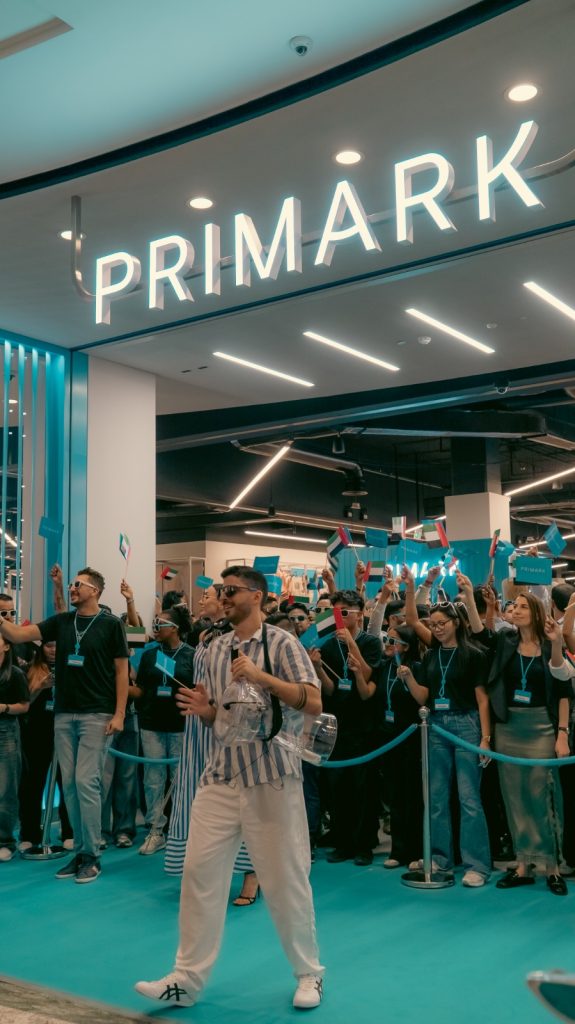
    When Primark officially arrived in Dubai, it was never destined to be a quiet retail opening. The launch immediately captured the attention of shoppers across the UAE, with long queues, packed stores, and widespread excitement surrounding the brand’s long-awaited regional debut. But beyond the immediate popularity lies a larger story—one that reflects Dubai’s position as a global retail capital and Primark’s growing influence within contemporary fashion culture.


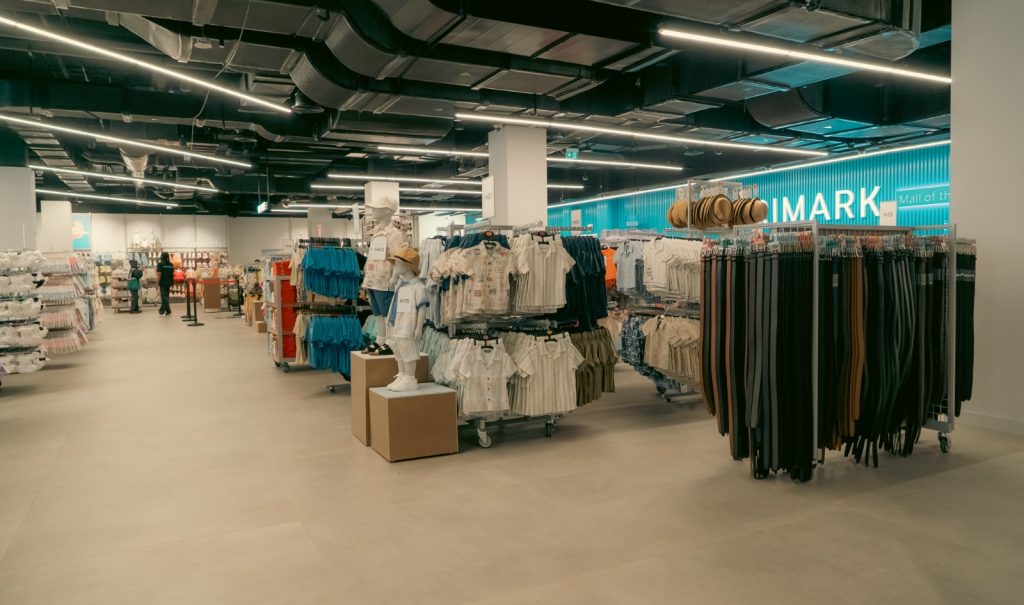
    Today, Primark operates three major locations across Dubai, including stores at Dubai Mall, City Centre Mirdif, and Mall of the Emirates. The rapid expansion highlights the strong demand for globally recognized retail concepts within the UAE and reinforces Dubai’s status as a strategic gateway for international brands entering the Middle East.


    What makes Primark’s presence particularly significant is the way the brand aligns naturally with Dubai’s evolving retail identity. While the city has long been associated with luxury fashion and high-end shopping experiences, consumer preferences have shifted in recent years toward a more diverse and globally connected retail landscape. Today’s shoppers are increasingly looking for brands that combine trend relevance, accessibility, and lifestyle appeal—and Primark delivers exactly that.

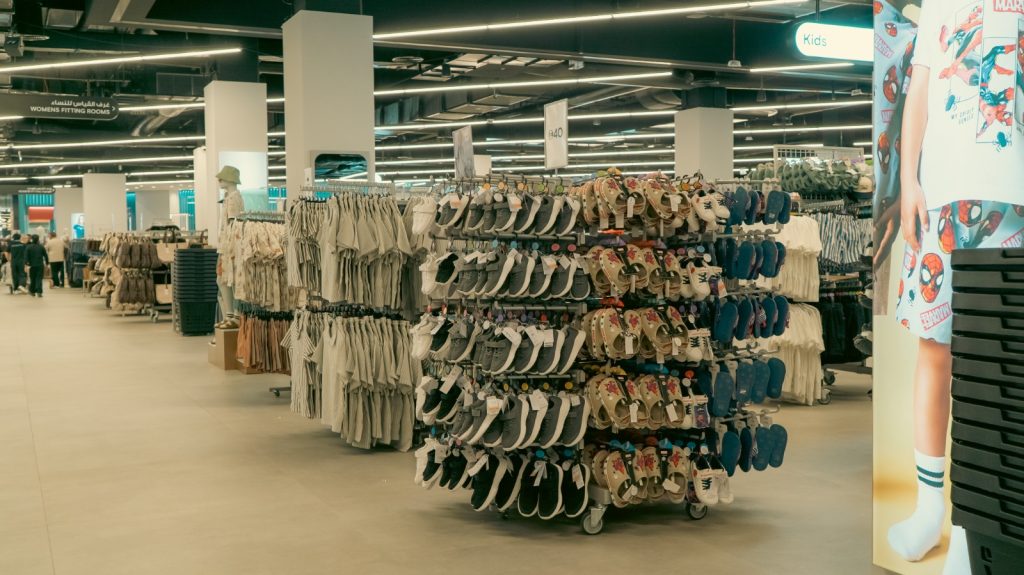
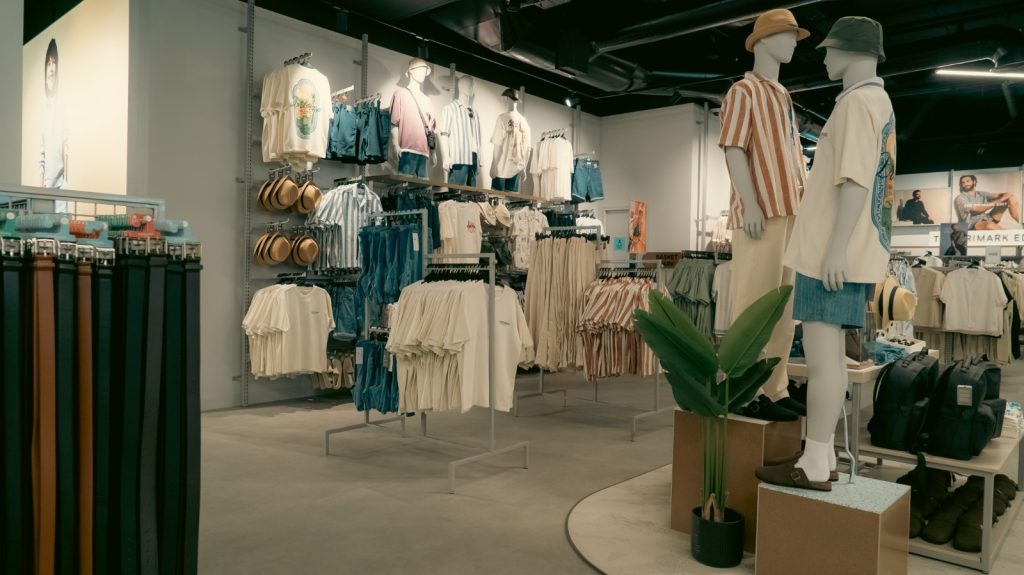
    The brand’s success has always been rooted in its understanding of modern consumer culture. Rather than positioning itself solely as an affordable retailer, Primark has created an experience-driven environment where fashion feels dynamic, current, and accessible without losing its visual impact. Its stores are designed around movement and discovery, offering everything from fashion and beauty to homeware, activewear, and seasonal collections in a setting that feels immersive and energetic.

    Inside its Dubai locations, this philosophy becomes immediately clear. The stores are vibrant, expansive, and carefully organized to encourage exploration. New collections arrive regularly, creating a constantly evolving atmosphere that keeps the experience fresh and engaging. Despite the scale of the stores and the volume of visitors, there is a strong sense of structure and efficiency that reflects the brand’s operational precision.


    Yet, what truly distinguishes Primark is its ability to make fashion feel inclusive. The brand speaks to multiple generations and lifestyles simultaneously, attracting families, tourists, students, young professionals, and trend-conscious shoppers under one roof. In a city as multicultural as Dubai, this inclusivity becomes one of its greatest strengths.


    Primark’s arrival also says much about Dubai itself. Few cities globally offer the same combination of retail infrastructure, tourism influence, and culturally diverse audiences. Dubai has evolved into far more than a shopping destination—it is now a place where international brands launch regional identities, test new concepts, and engage directly with a highly connected global audience.


    This is particularly visible in locations such as Mall of the Emirates and Dubai Mall, where shopping has become part of a broader lifestyle experience that includes dining, entertainment, hospitality, and social culture. Primark’s presence within these destinations contributes to the city’s increasingly layered retail ecosystem, where accessibility and global relevance coexist alongside luxury.


    The popularity of the brand also reflects the influence of digital culture on fashion consumption in the UAE. Social media platforms, travel experiences, and international trend cycles have created a generation of consumers already familiar with Primark long before its physical arrival in Dubai. For many shoppers, entering the store for the first time felt less like discovering a new brand and more like finally experiencing a global phenomenon locally.


    Ultimately, Primark’s success in Dubai is not simply about affordability or fashion trends. It is about timing, cultural relevance, and the brand’s ability to understand how modern consumers want to shop today.


    In many ways, Dubai was the ideal city for Primark’s Middle East expansiona place defined by ambition, movement, diversity, and global influence. And as the brand continues to grow within the UAE, its presence is becoming part of a larger story about the future of retail in the region: one shaped not only by luxury, but by accessibility, experience, and connection.

  • Fanoos Bangalore Since 1975: A Timeless Legacy Finds Its Place in Dubai

    Fanoos Bangalore Since 1975: A Timeless Legacy Finds Its Place in Dubai

    Since 1975, Fanoos has existed as a quiet constant in the ever-evolving culinary landscape of Bangalore—a place where time slows, and flavors remain untouched by passing trends. What began as a humble street-side counter has, over five decades, transformed into a deeply rooted institution, defined not by expansion or reinvention, but by an unwavering commitment to authenticity.

    At a time when the global dining scene leans heavily into innovation and concept-driven experiences, Fanoos stands apart with a philosophy grounded in preservation. Its legacy has been built on doing one thing exceptionally well: delivering bold, honest flavors with consistency and precision. Every element, from its spice blends to its preparation techniques, reflects a heritage that has been carefully refined rather than reimagined.

    Fifty Years of the Same Perfect Roll

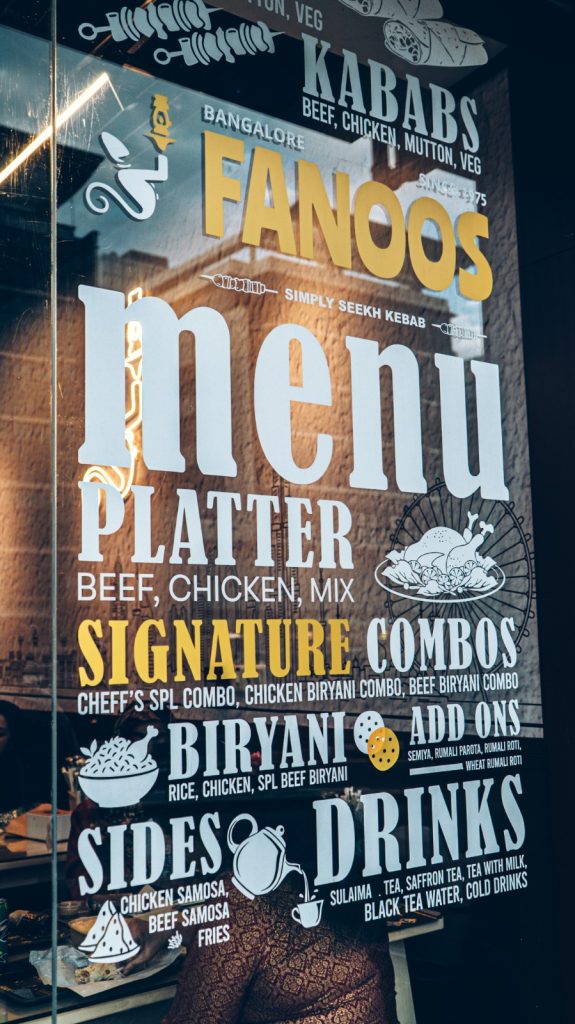
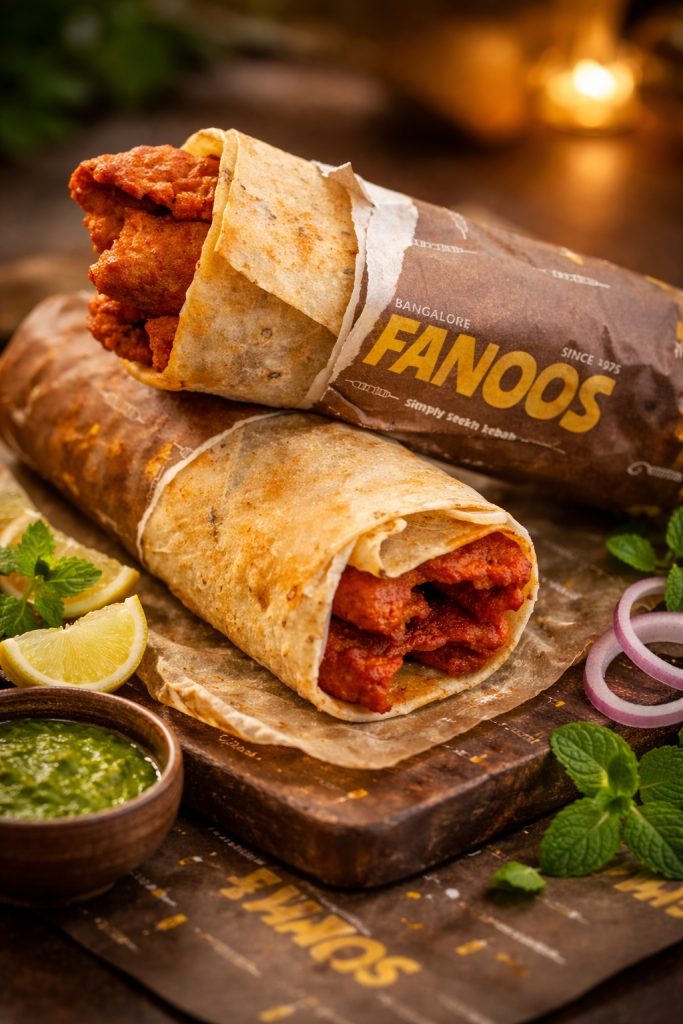
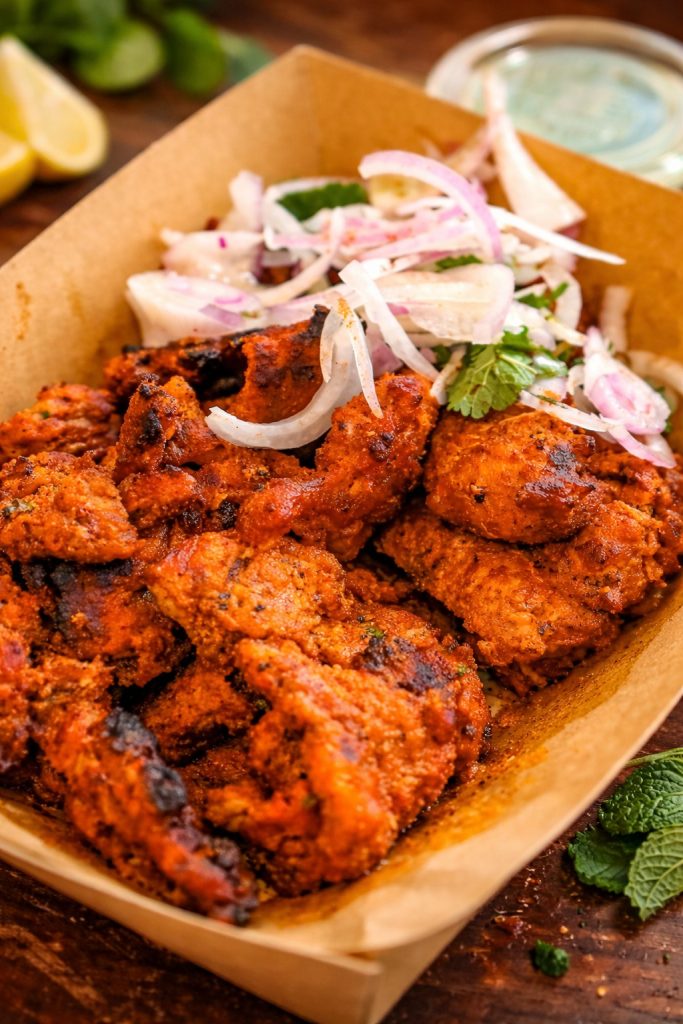
    Founded in 1975 by the late Ajaz Khan, Fanoos — named after the ornate lanterns that light up homes during Ramzan — was among the first establishments in Bangalore to introduce the concept of fast food. Yet fast never meant careless. The seekh at Fanoos is made from freshly minced meat, spiced with a blend refined over decades, grilled over high heat and tucked into hand-pulled roomali roti so thin it is almost translucent. The menu has grown to include biryanis, shawarmas, and Irani-style kebabs, but the seekh roll remains the soul of the brand.

    The brand’s legendary roll sizes — the Rambo, the Shambo, the Mambo, and the towering Mogambo (named after the iconic Bollywood villain from Mr. India) — have become a rite of passage for generations of Bangaloreans. The rolls are now a rite of passage for Dubai as well.

    Its arrival in Dubai signals more than an international debut—it marks the continuation of a cultural and culinary narrative. Situated in the vibrant neighborhood of Karama, the Dubai outpost brings with it the unmistakable soul of Bangalore, while seamlessly integrating into one of the world’s most dynamic food capitals.

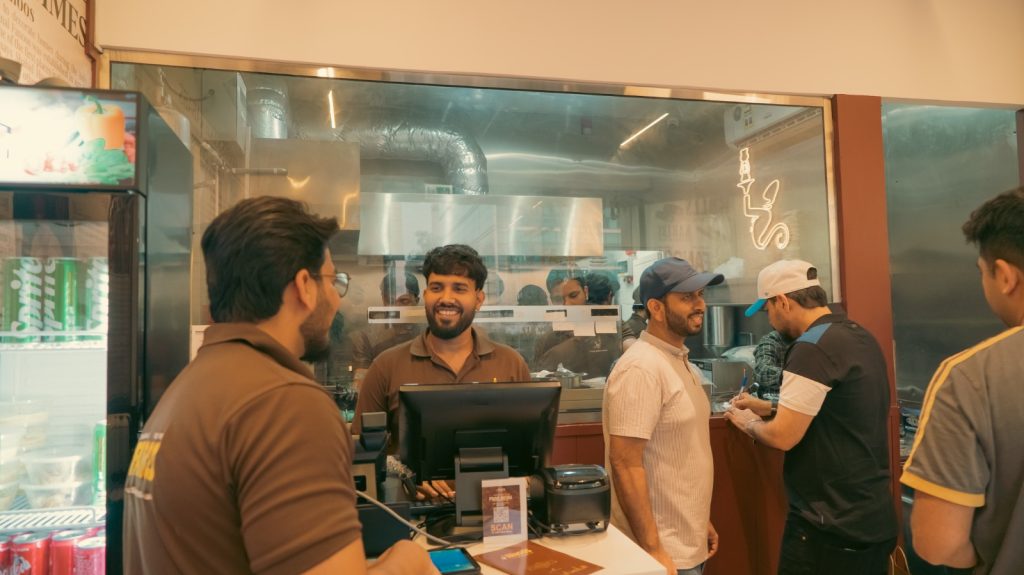
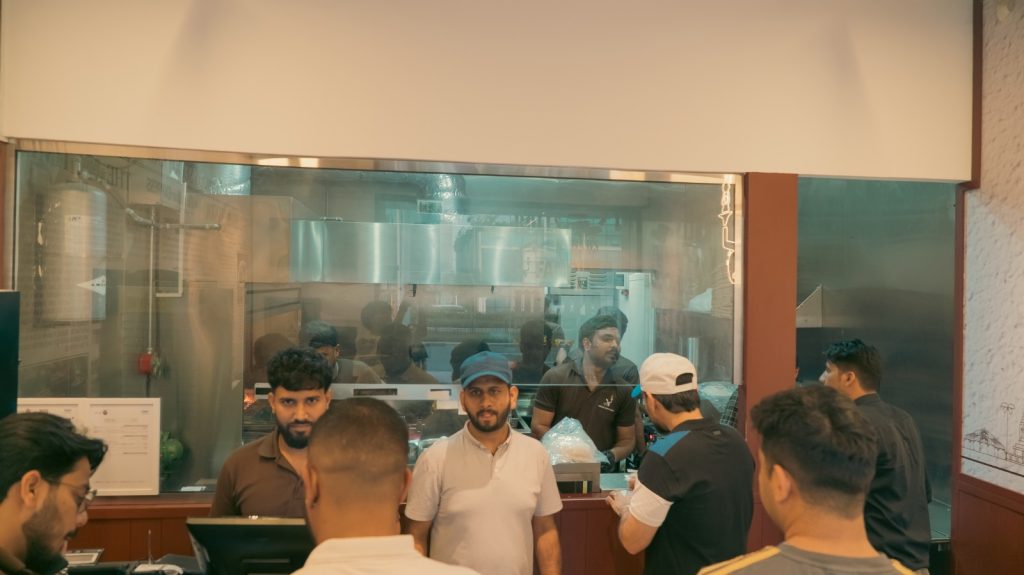
    The space itself reflects the brand’s essence. Often lively and filled with a diverse crowd of loyal patrons and curious newcomers, it carries an energy that feels organic and uncontrived. There is no attempt at over-curation; instead, the atmosphere is defined by movement, familiarity, and an understated authenticity that resonates deeply in a city known for its polished dining experiences.

    Yet, it is the food that remains the defining force. Fanoos has long been celebrated for its iconic seekh rolls—delicately wrapped in soft roomali roti and layered with spice blends that have been perfected over decades. The flavors are bold yet balanced, rich yet precise, offering a depth that lingers well beyond the first bite. What distinguishes the experience further is the subtle interplay between robust Indian spices and nuances reminiscent of Middle Eastern street food, creating a distinctive culinary identity that feels both rooted and globally relevant.

    From our own experience, Fanoos is not simply a place to dine—it is a place to feel. There is a warmth to the environment that transcends the physical space, creating a sense of familiarity that invites guests to return. Even at peak hours, when the restaurant is at its busiest, there is a natural flow that makes the experience feel effortless rather than overwhelming.

    Equally integral to the experience is the service. The managers and staff embody a level of attentiveness and sincerity that enhances the overall visit. Their approach is both welcoming and intuitive, adding a human touch that complements the food and reinforces the brand’s enduring appeal.

    In a city where dining concepts are constantly evolving, Fanoos distinguishes itself through consistency and character. It does not seek to compete through novelty, but rather through the strength of its identity—one that has been shaped over fifty years and remains remarkably intact.

    Today, Fanoos in Dubai stands as more than an extension of a legacy. It is a destination that bridges cultures, generations, and tastes—a place where tradition meets a modern audience without losing its essence. In every sense, it represents the art of staying true, offering an experience defined by flavor, authenticity, and a quiet confidence that continues to resonate far beyond its origins..

  • Inanna Reborn launches in the desert with immersive cultural experience, opening a new era of Mythic Luxury

    Inanna Reborn launches in the desert with immersive cultural experience, opening a new era of Mythic Luxury

    Sharjah, UAE- 6th April 2026: Under the open skies of Mleiha, Her Highness Sheikha Bodour bint Sultan Al Qasimilaunched Inanna Reborn at an immersive desert gathering that fused fashion, ritual and storytelling.

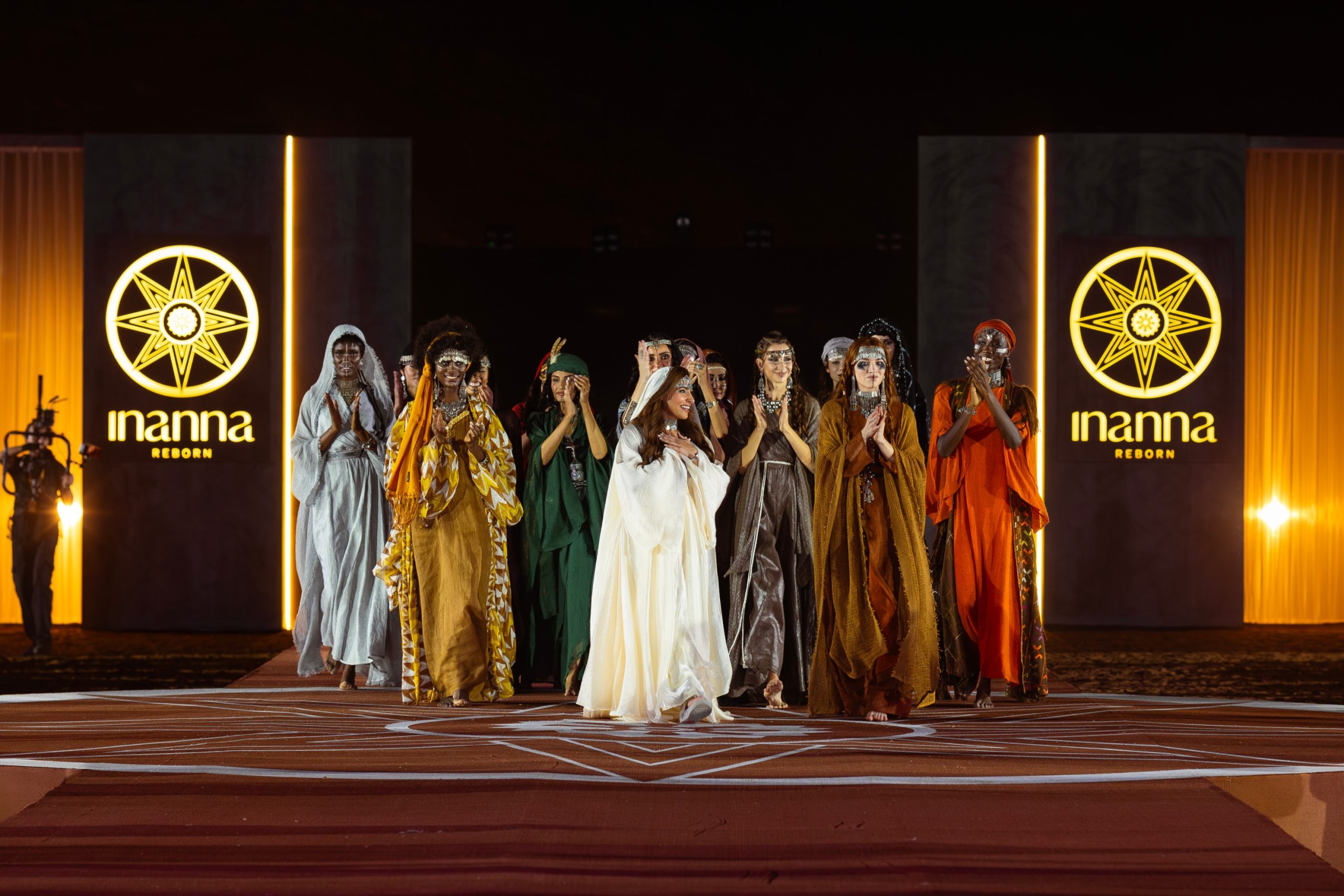
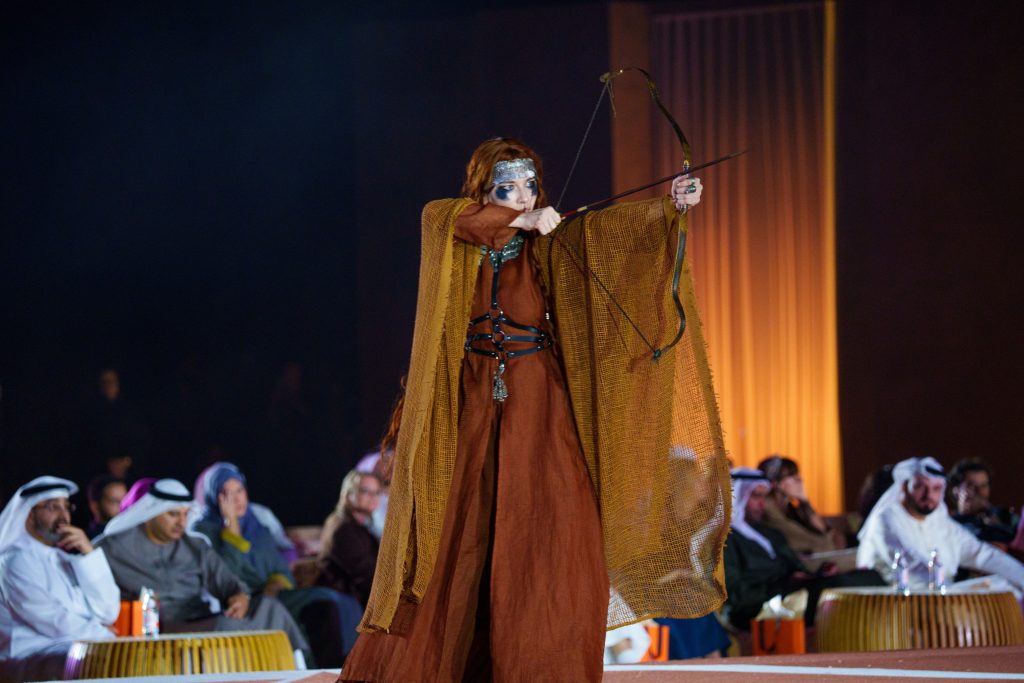
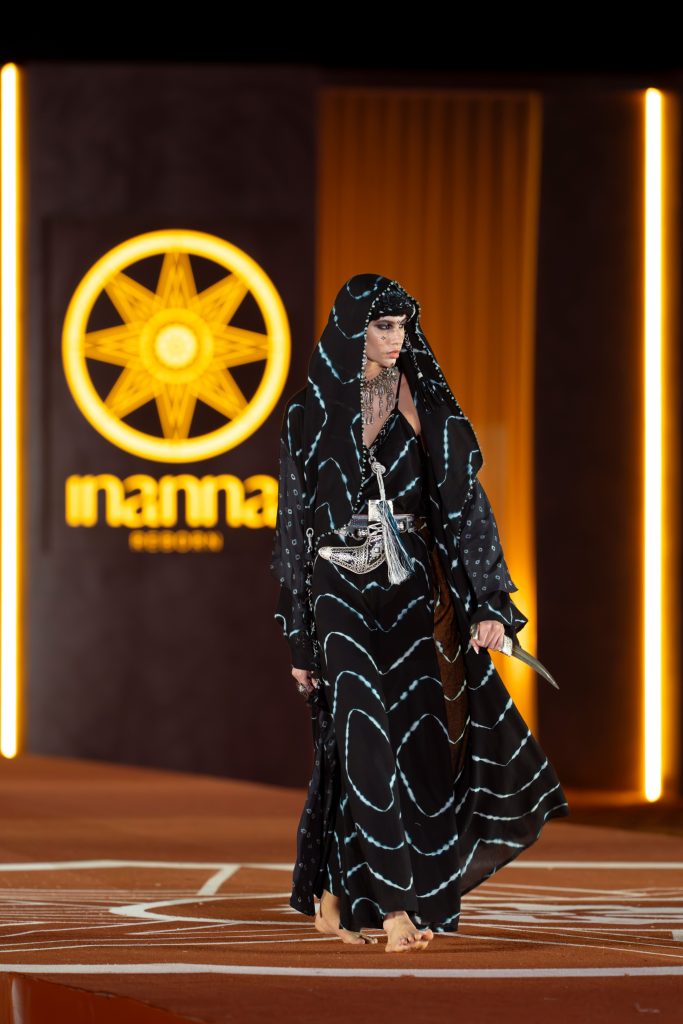
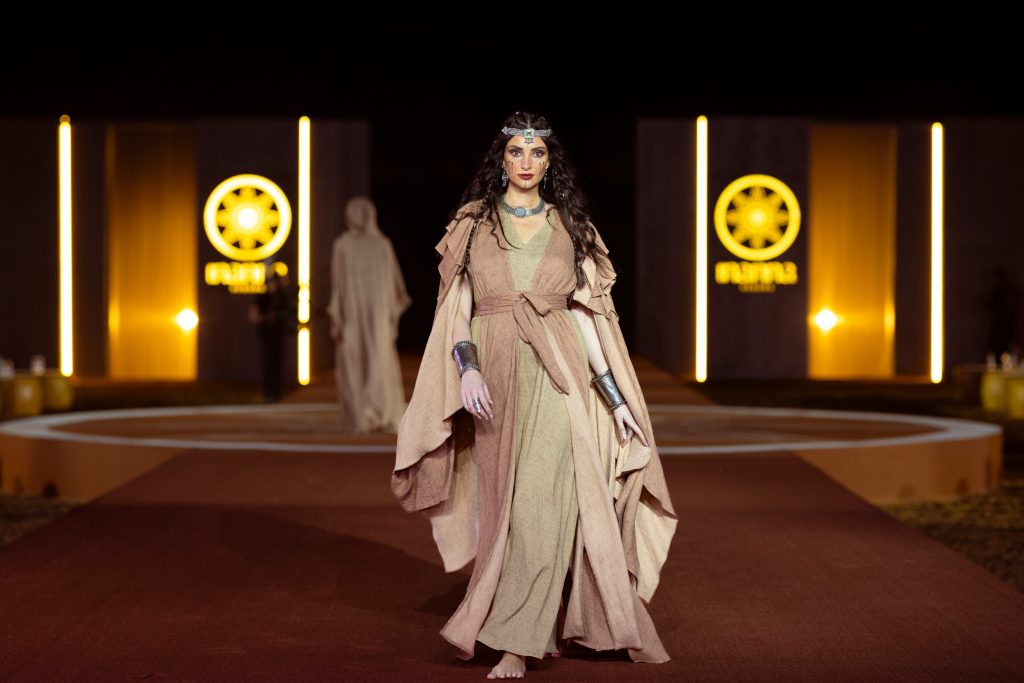
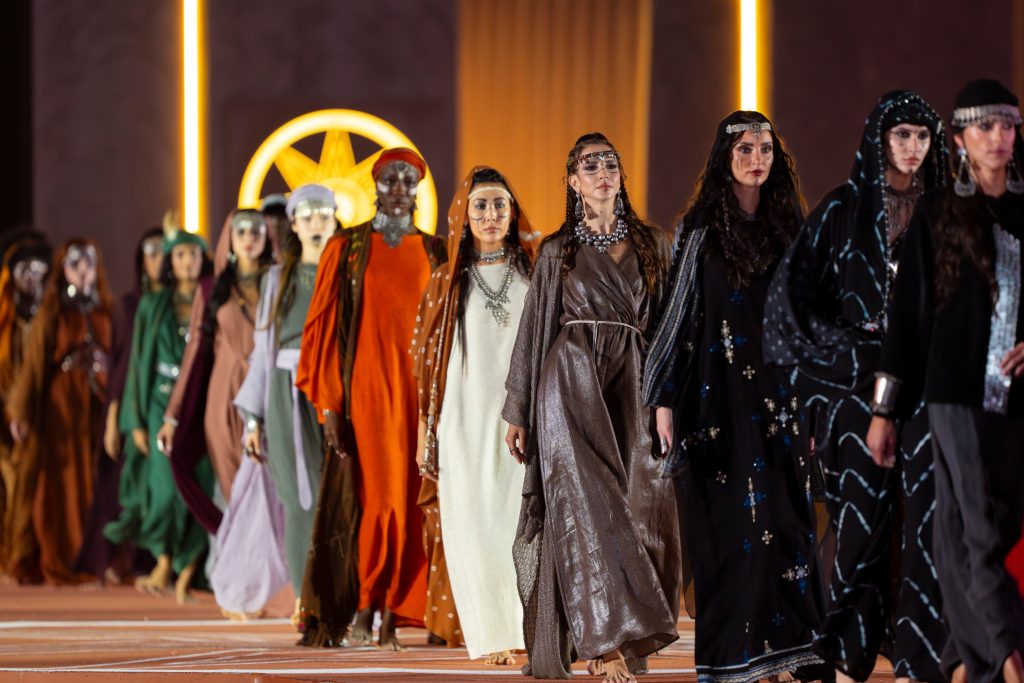
    The private event metamorphosed the landscape into a living expression of the brand itself, with a runway presentation of the debut collection, a multisensory Chamber of Inanna experience, and a curated showing of pieces from the collection, at the Caravan.

    It was a dusk moment that marked the birth of a new category – Mythic Luxury – where couture is an expression of memory, ritual and personal transformation.

    A brand rooted in human genesis

    Founded by Her Highness Sheikha Bodour bint Sultan Al Qasimi, Inanna Reborn was developed after years of research into Arabian queens and mythology that informed her recent book Let Them Know She Is Here.

    The brand is built on the singular truth that women’s power is generational, lies deep inside their soul, and is remembered rather than discovered.

    Each design manifests this philosophy as form, reviving erased histories and reimagining them as modern expressions of female sovereignty, identity and lucid presence.

    Her Highness Sheikha Bodour Al Qasimi said: “Inanna Reborn is not about creating something new, but restoring what was always present but forgotten. What we are doing with Inanna Reborn is offering a votive tribute of remembrance and inviting women to remember and reclaim their sovereign power.”

    An immersive desert launch

    The setting, in Mleiha National Park, a UNESCO World Heritage Site, was integral to the Inanna Reborn launch, reflecting the brand’s grounding in land, memory and ritual, through:

    • A runway presentation of the debut fashion collection
    • A Chamber of Inannaran installation, evoking Inanna Reborn’s multisensory universe of scent, sound, and symbolism
    • A guest area called the Caravan, showcasing select pieces from the collection

    Together, these elements embodied the brand’s core principle of personal adornment as a consequential ritual.

    Event partners

    Azizi Developments supported the launch event, reflecting its commitment to cultural and creative innovation in the UAE.

    BYREDO and Dr Barbara Sturm provided makeup, fragrance and skincare for the runway presentation, contributing to the sensory dimension of the experience.

    A resurrection of identity

    Inanna Reborn is intended as a resurrection of identity, its looks drawing on the vibrant legacy of historical queens, such as Zenobia, Sheba, Mavia, Samsi and Abi’el, expressed through silhouettes that flow from strength to fluidity.

    Garments are conceived as contemporary regalia that balance softness and structure, presence and movement, power and sensuality.

    Introducing the Abi’el jewellery collection

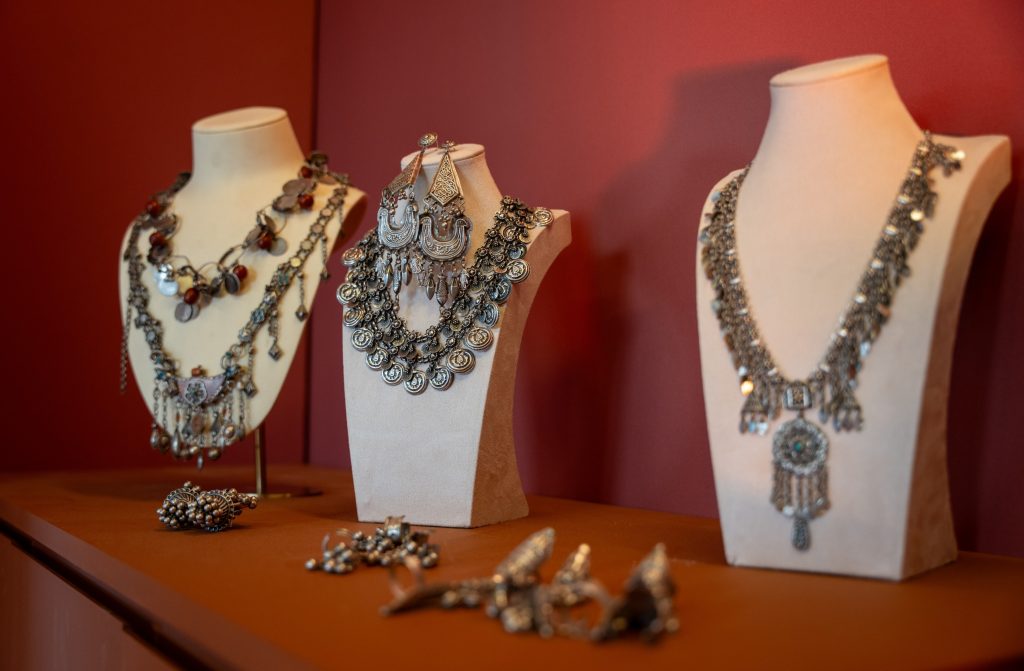
    Alongside the fashion capsule, the brand unveiled its first jewellery line: Abi’el – The Desert Oath.

    Rooted in Emirati heritage, Abi’el reinterprets traditional adornment through a contemporary prism:

    • Jewellery as a talisman – each piece protective, intentional and alive with meaning
    • Coin motifs – symbols of memory, continuity and exchange
    • Material – crafted in silver, historically worn by Bedouin women as adornment and portable wealth

    The collection is designed to move in time with the body, not as static objects, but as worn vessels replete with memory and intention.

    Preserving craft as living heritage

    At core, Inanna Reborn is a commitment to preserving endangered artisanal knowledge.

    The collection incorporates techniques such as Ikat weaving; Kantha and Phulkari embroidery; Shibori dyeing; hand block printing; and Pashmina craftsmanship.

    These are not frivolous references, but living cultural idioms sustained through direct collaboration with artisans.

    A conscious approach to luxury

    The brand operates through a slow, intentional model without overproduction or surplus, using only natural materials, such as linen, cotton and wool, and with minimal waste, where every offcut is repurposed or reintegrated.

    As Inanna Reborn, sustainability means returning to responsible creation, respect for material and reverence for the natural environment.

    Where to buy Inanna Reborn

    The full Inanna Reborn collection, including fashion and jewellery, will be available at Bait Elowal and online.